Motorcycle Brakes: Why the Front Disc Does Most of the Stop
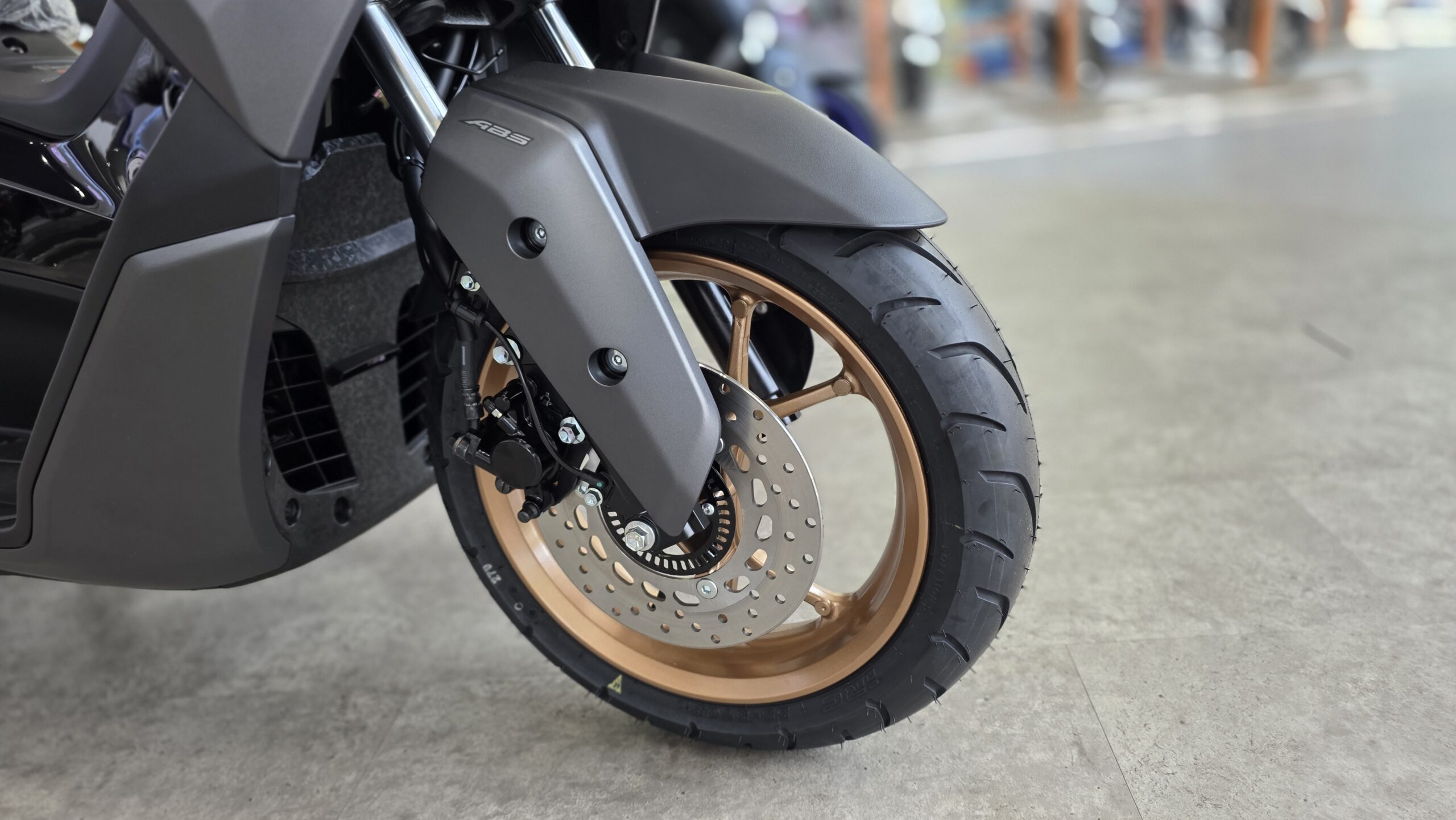
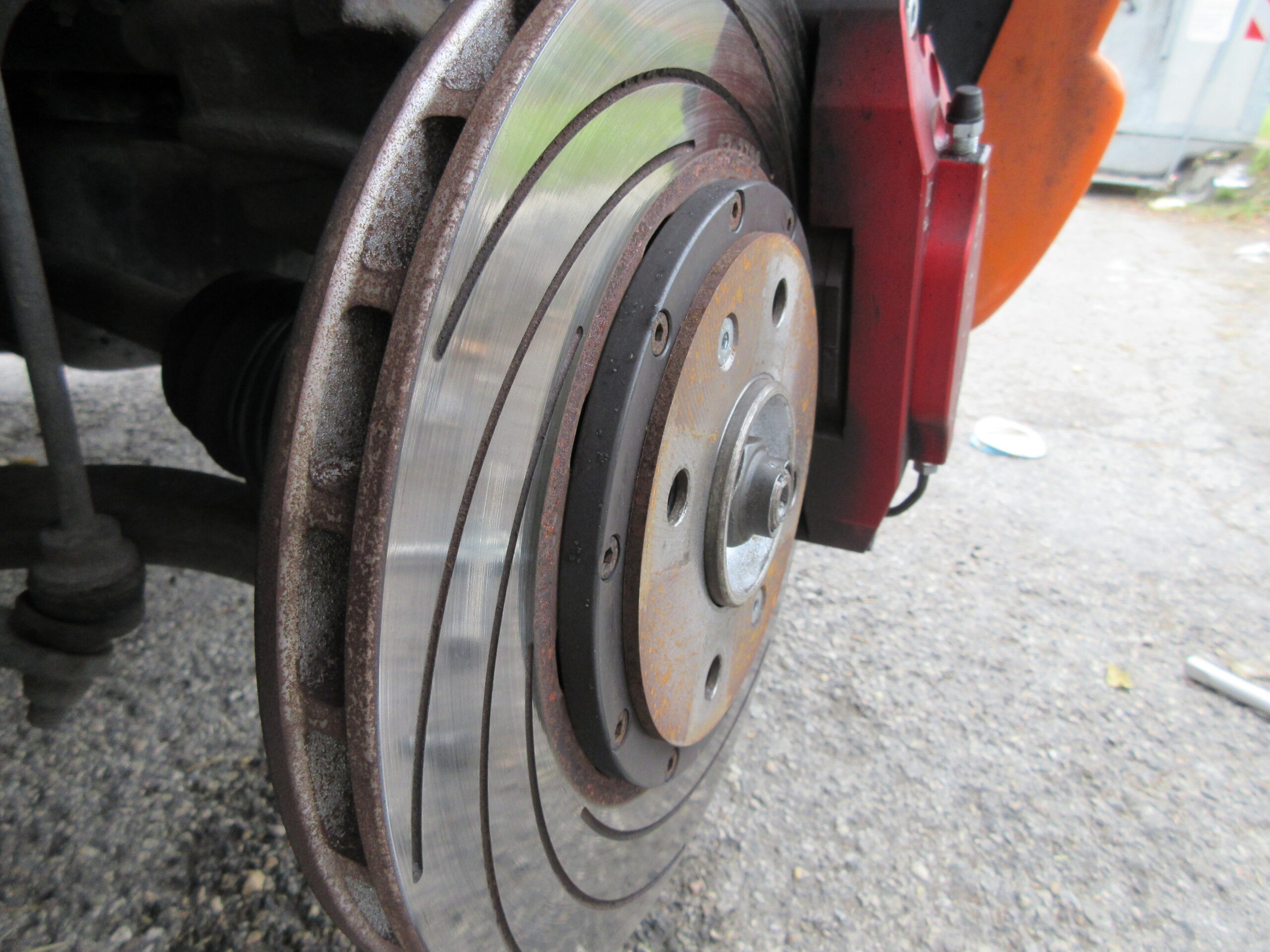
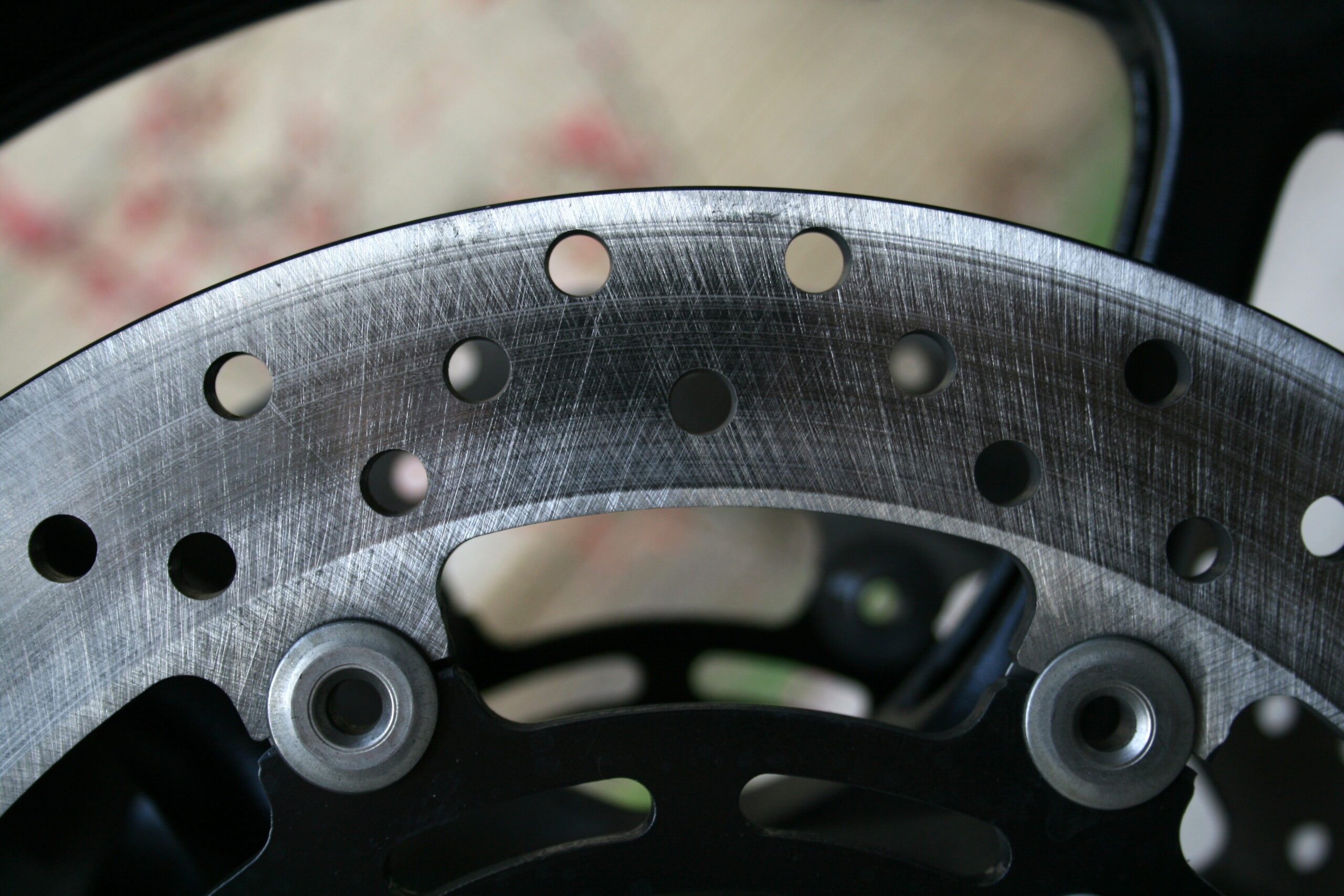
Why a motorcycle’s front disc does most of the stop, when that disc can glow, and what a soft lever means.
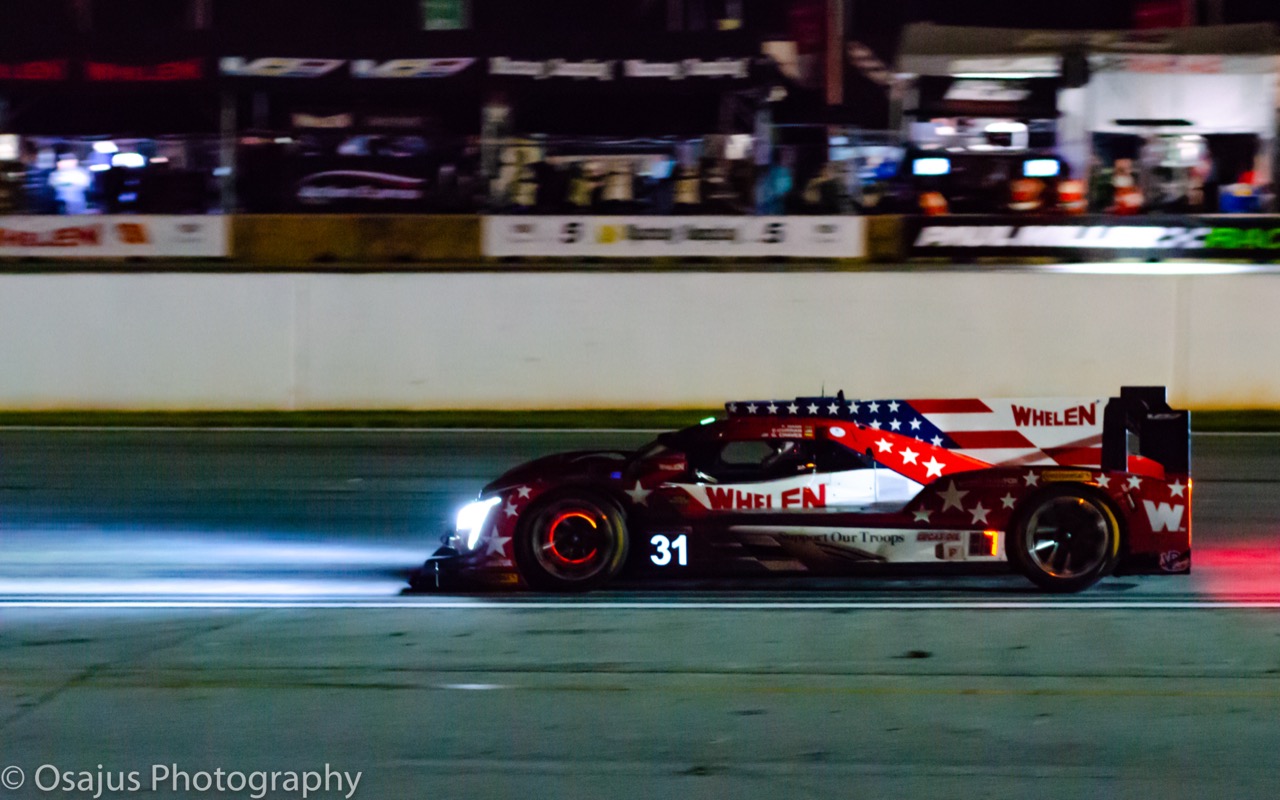
A dull red disc after hard stops is brake glow (600–800°F)—not a normal warm brake from a 60 mph stop at 150–250°F.
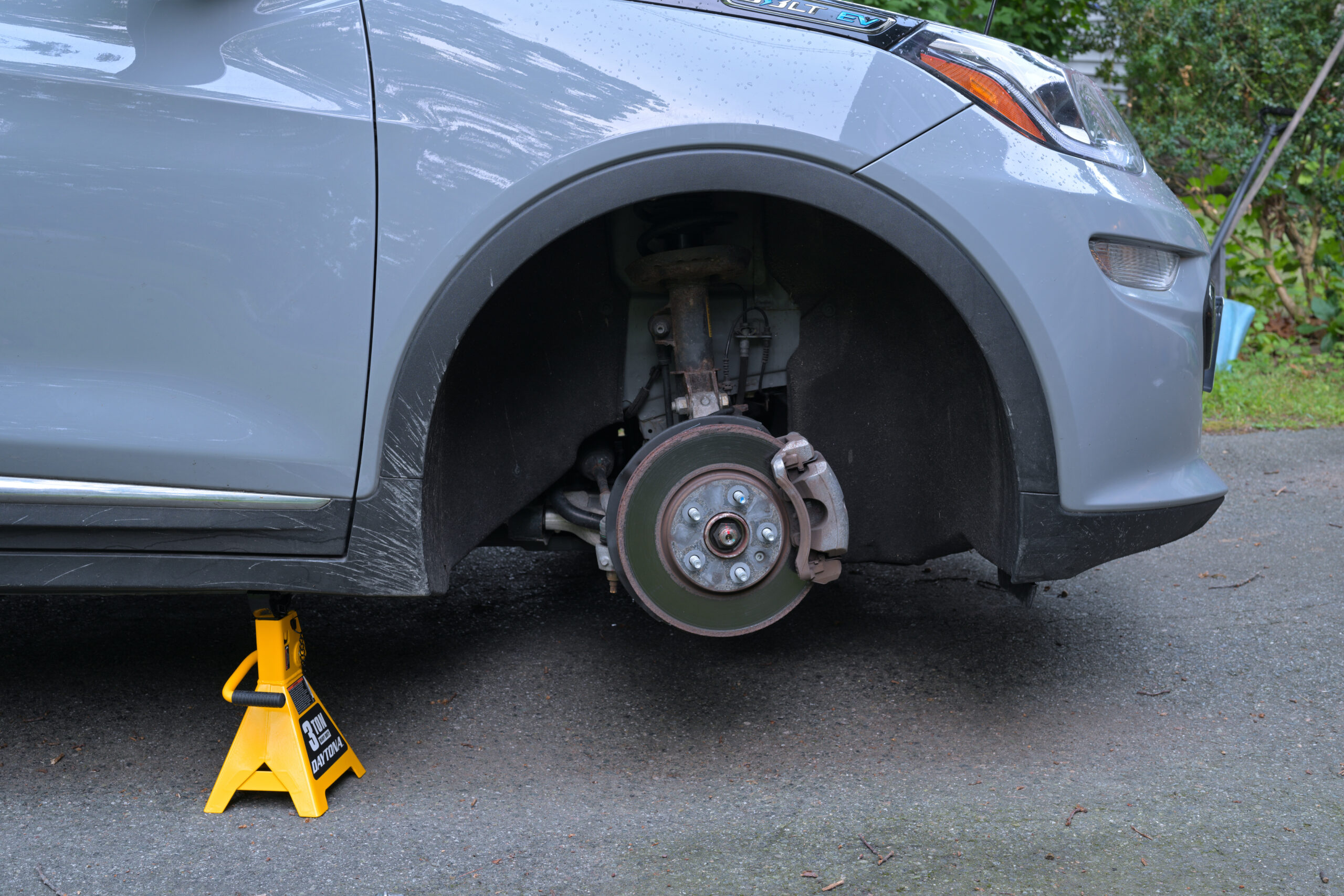
How brakes fade on bicycles, e-bikes, scooters, and motorcycles.
Why a motorcycle’s front disc does most of the stop, when that disc can glow, and what a soft lever means.
Why a scooter’s small disc or drum heats up in city traffic, and what a dragging brake feels like after a wet ride.
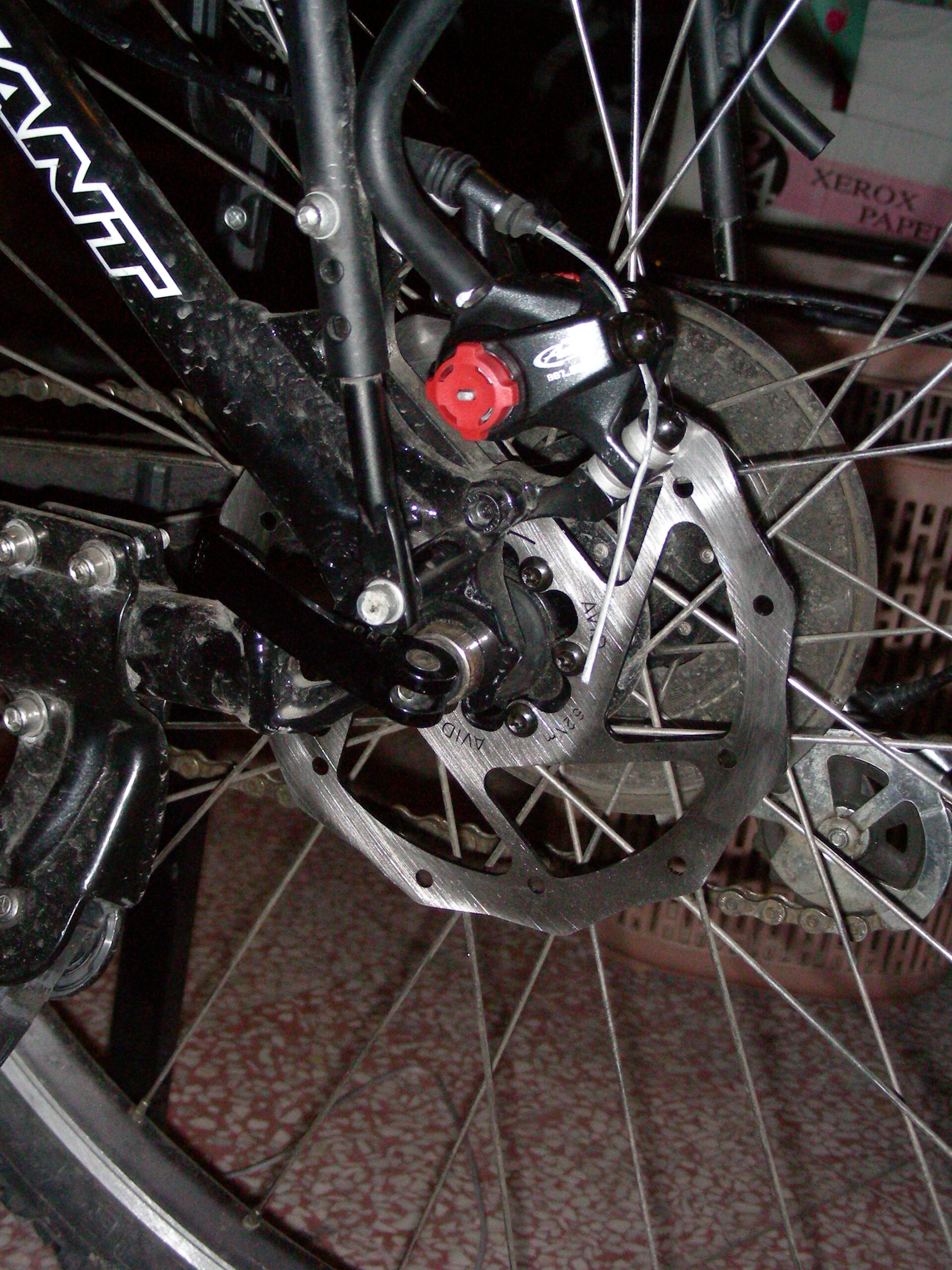
Why bicycle and e-bike brakes fade on a long hill, how rim and disc pads differ, and when to stop and let them cool.
Heat, smell, glow, and a soft pedal on ordinary cars.
Riding the brake on a grade traps heat. Firm-but-longer is pad fade; a sinking pedal is fluid fade—pull over and cool before you continue.
New pads can smell while they bed in. Smoke, a soft pedal, or a smell that stays after parking is not bedding—stop and cool.
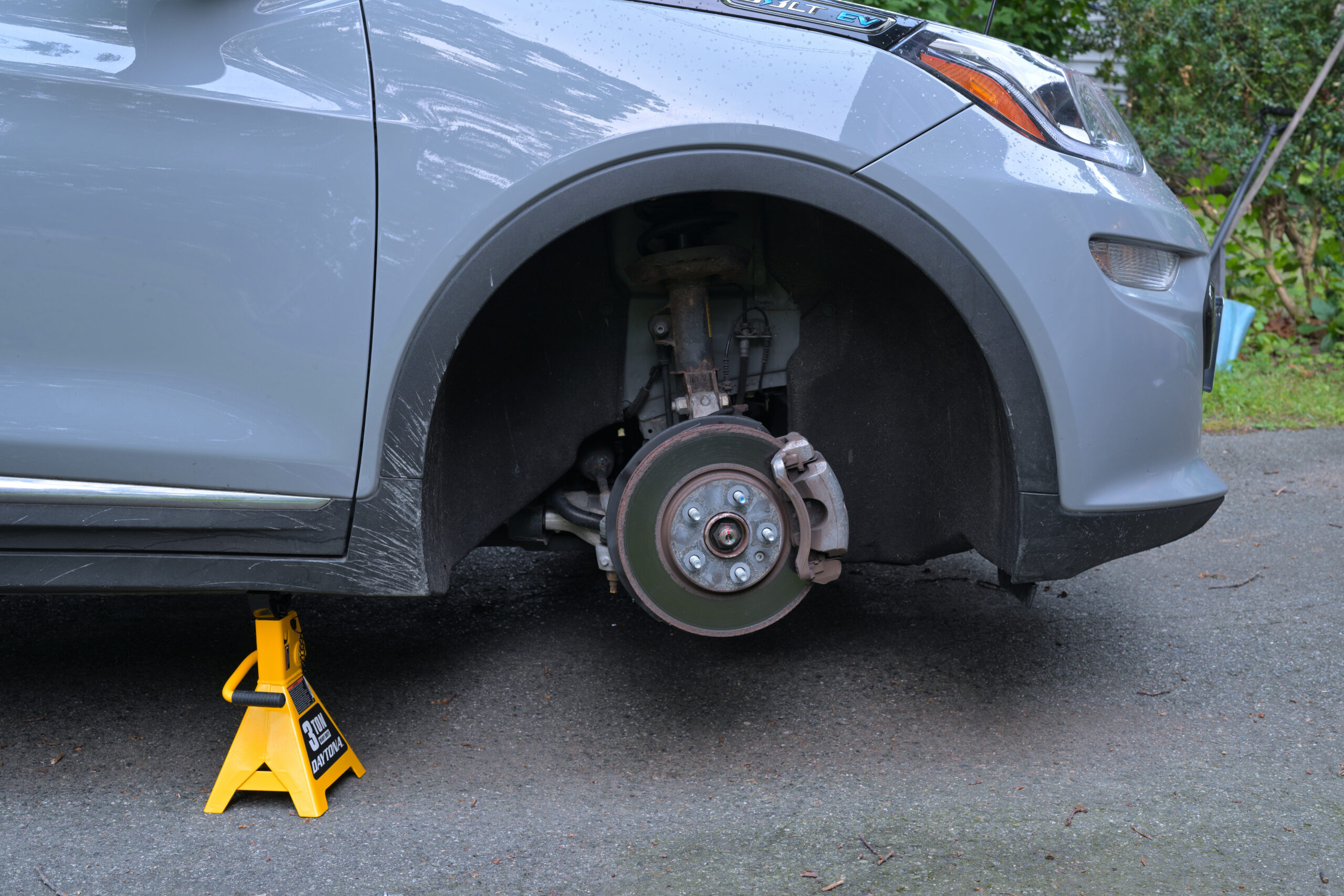
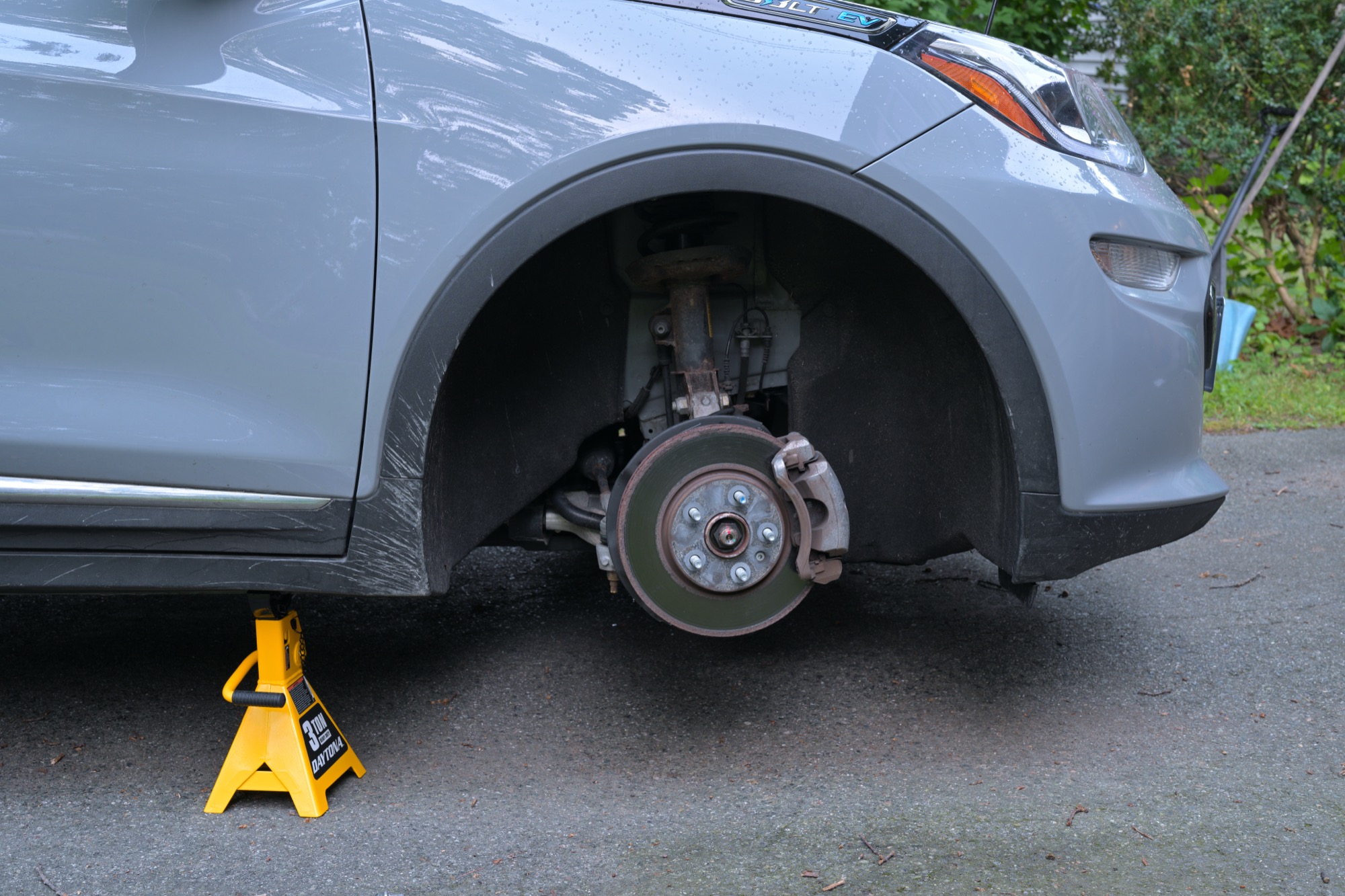
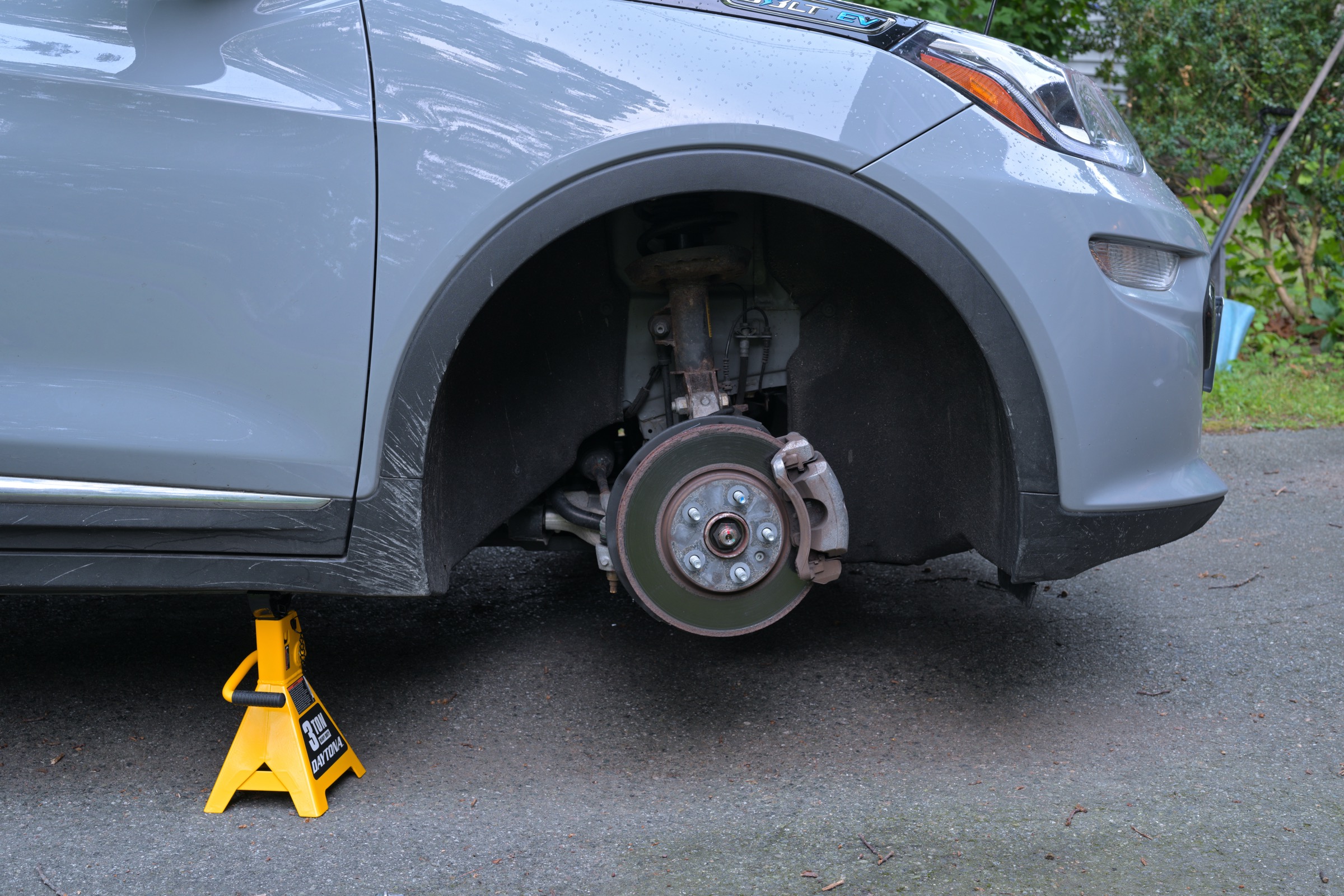
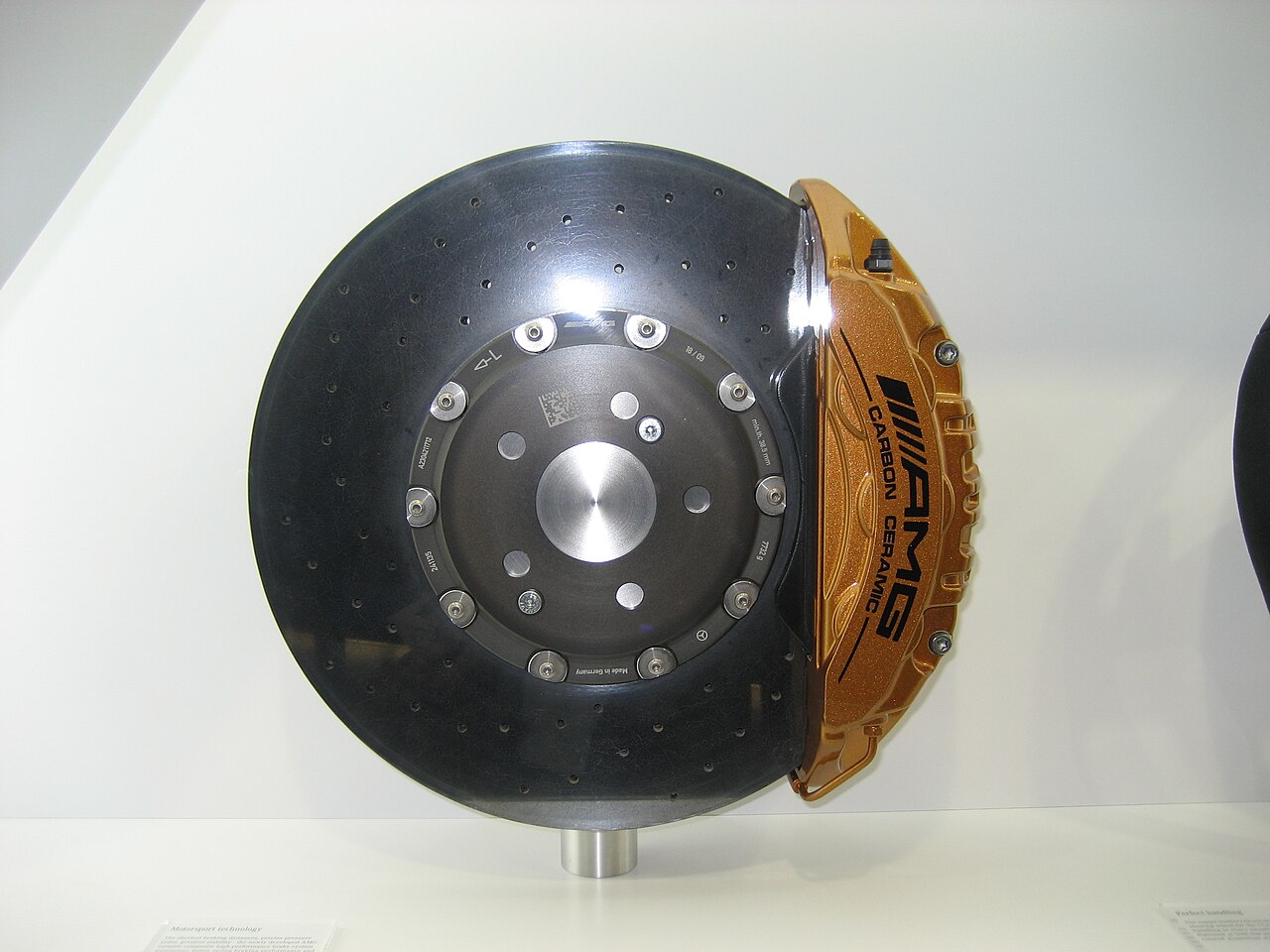
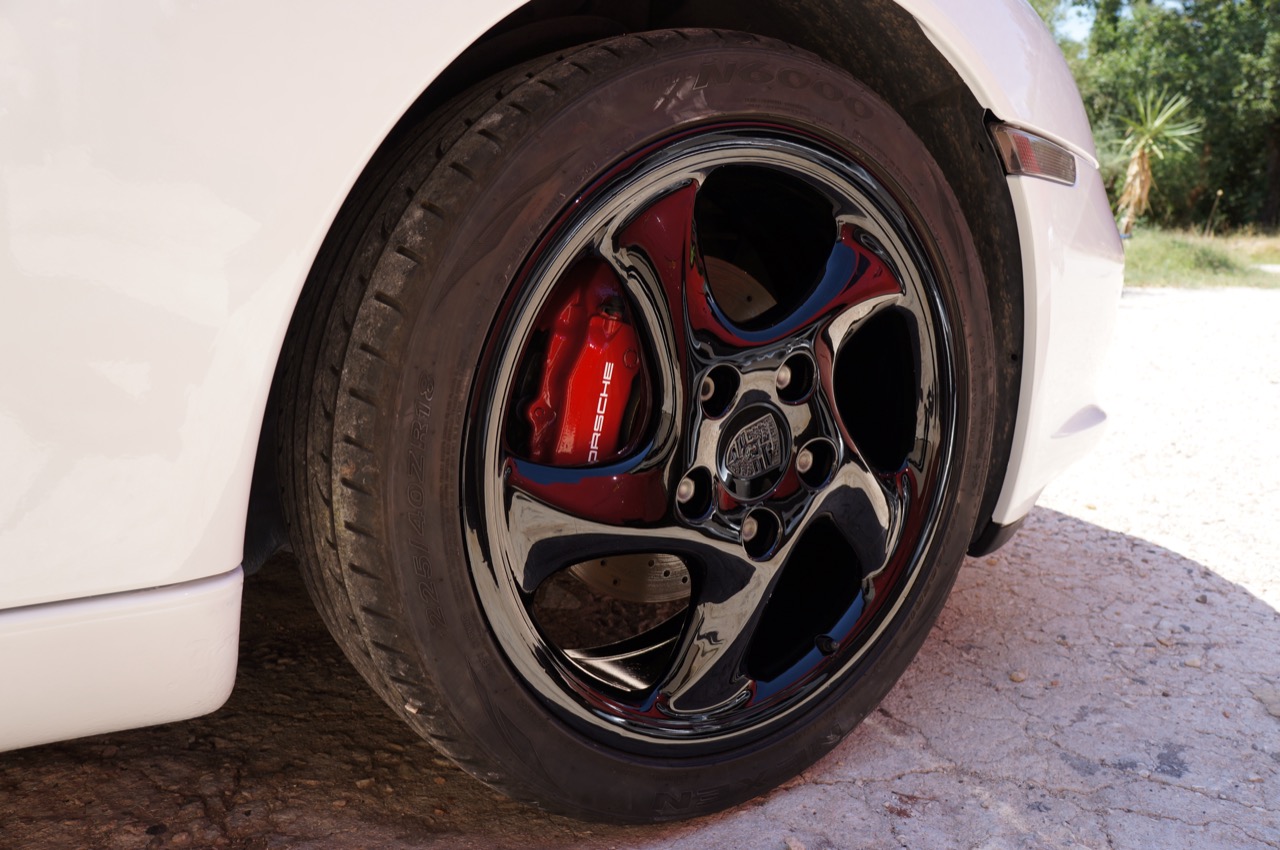
Hatchback, sedan, and compact-SUV hydraulic discs: why fronts heat more, 150–250°F after 60 mph, and when warmth is normal.
What changes when an SUV, pickup, trailer, or motorhome adds weight.
A full SUV, pickup, or van makes more brake heat from the same speed. Extra weight multiplies energy; smoke or a soft pedal means stop.
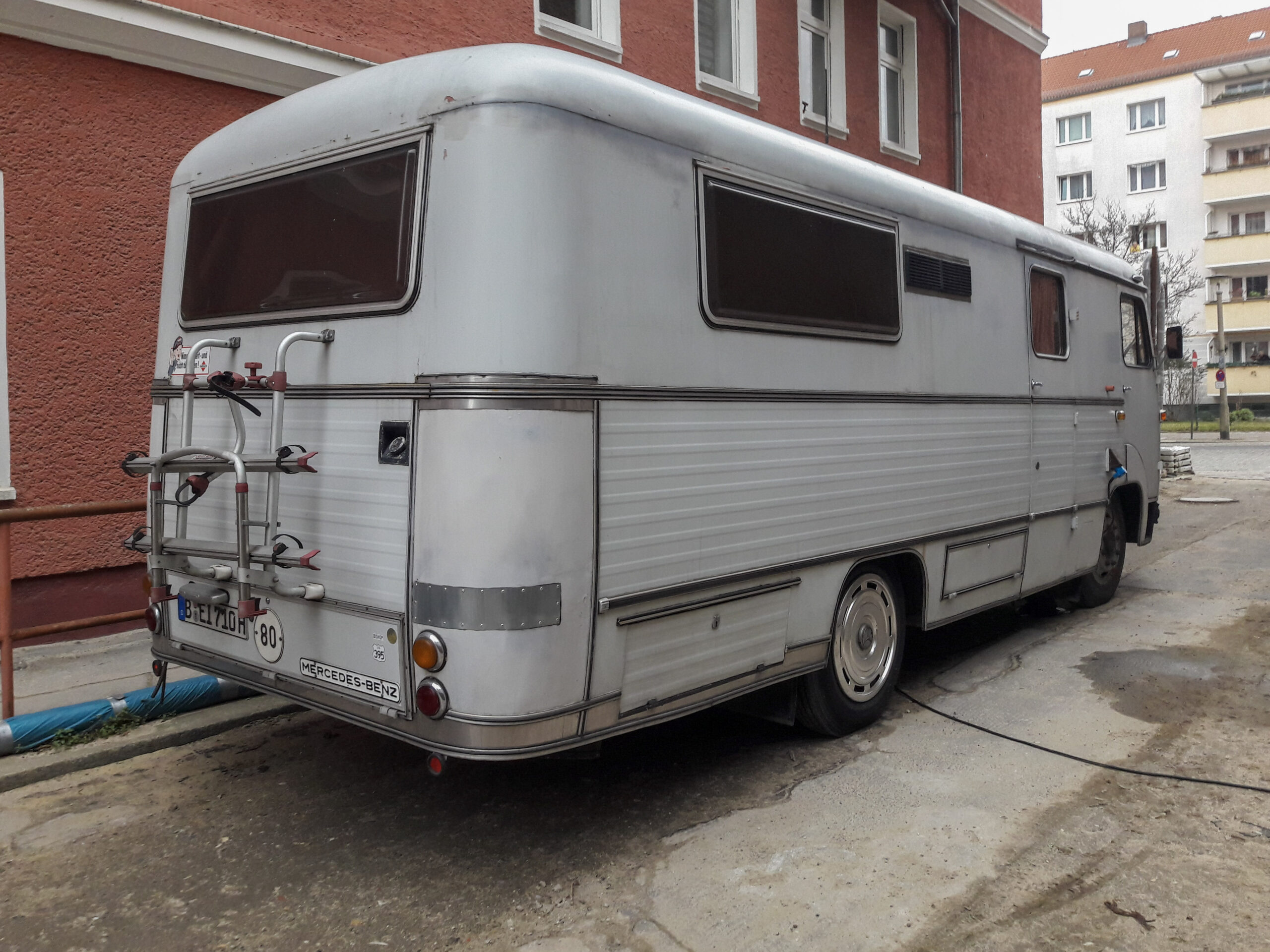
A motorhome on a mountain grade stores heavy motion as brake heat. Do not ride the pedal; a soft pedal means leave the grade.
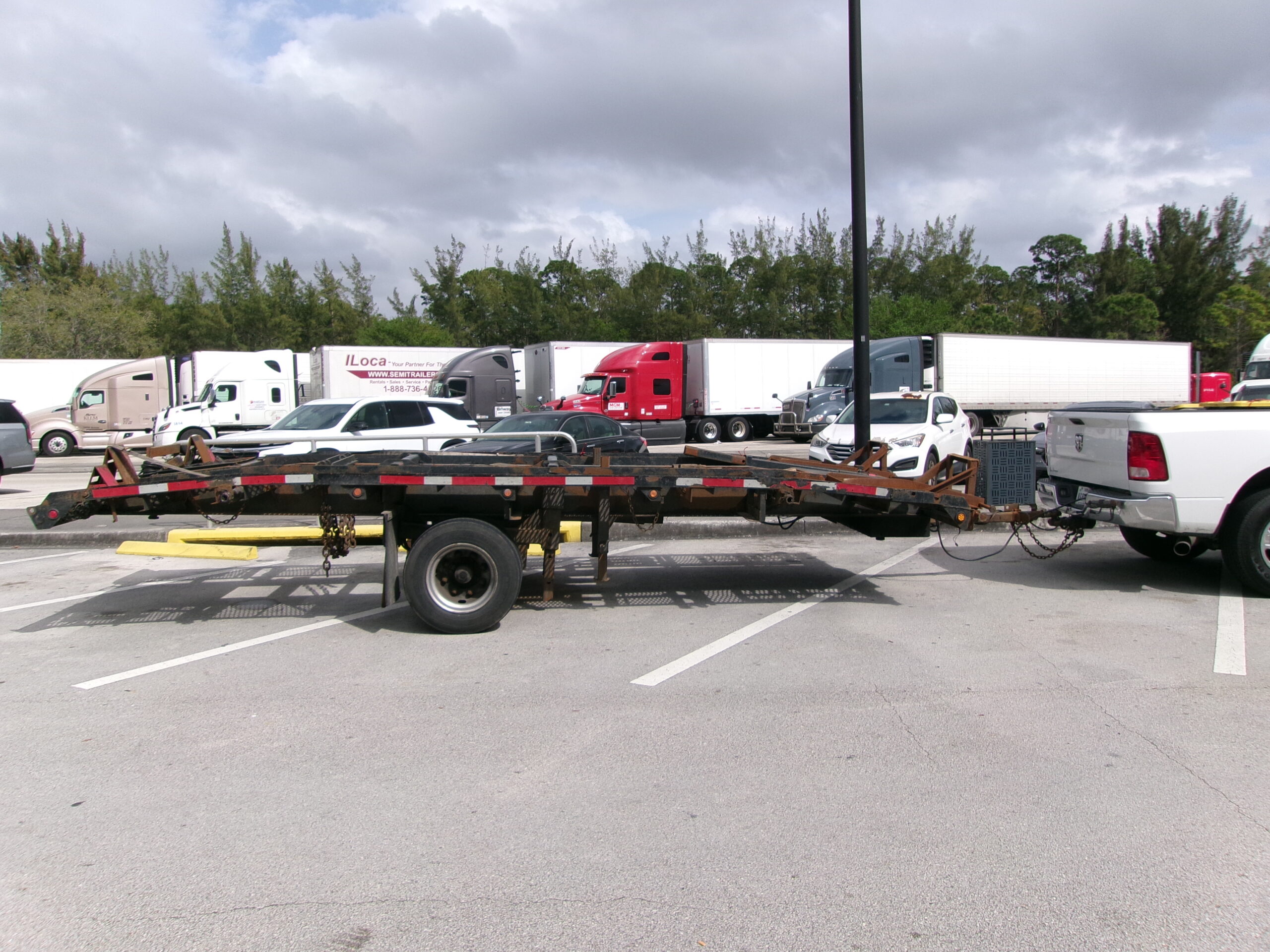
Tow rotors are sized for the tow vehicle. Dead trailer brakes dump mountain-grade heat into the tow pads—smell means pull over.
Delivery vans, buses, air brakes, and why a truck should not ride the pedal.
An engine brake turns a hill into engine load. Riding the pedal alone overheats a truck’s foundation brakes—stop and cool.
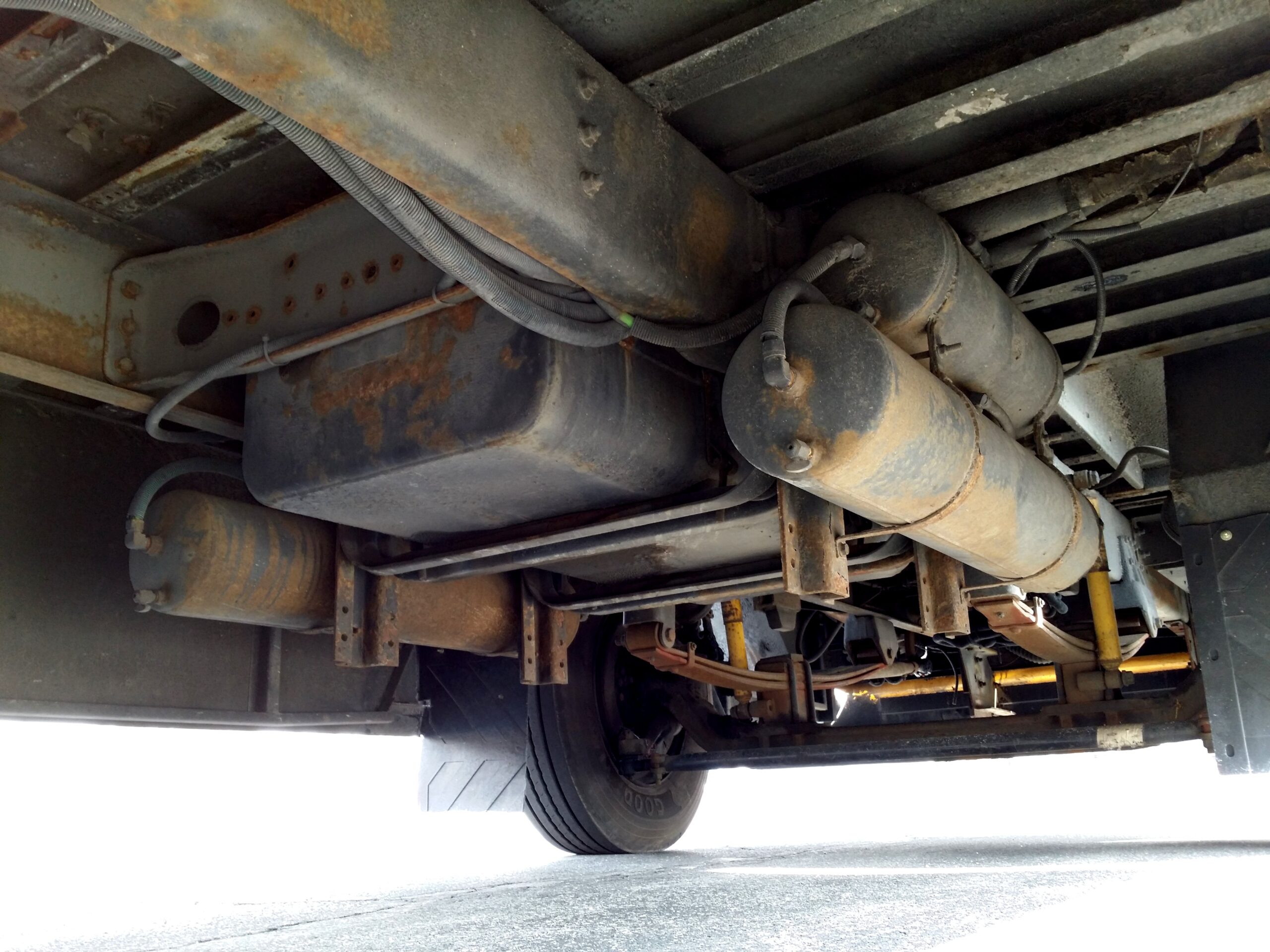
On a heavy truck, air applies the service brake and springs park it if air is lost. A growing hot drum is fade—stop.
A full bus is heavy and stops often. Smoke, a pull, or a longer stop is fade—not a normal hill smell.
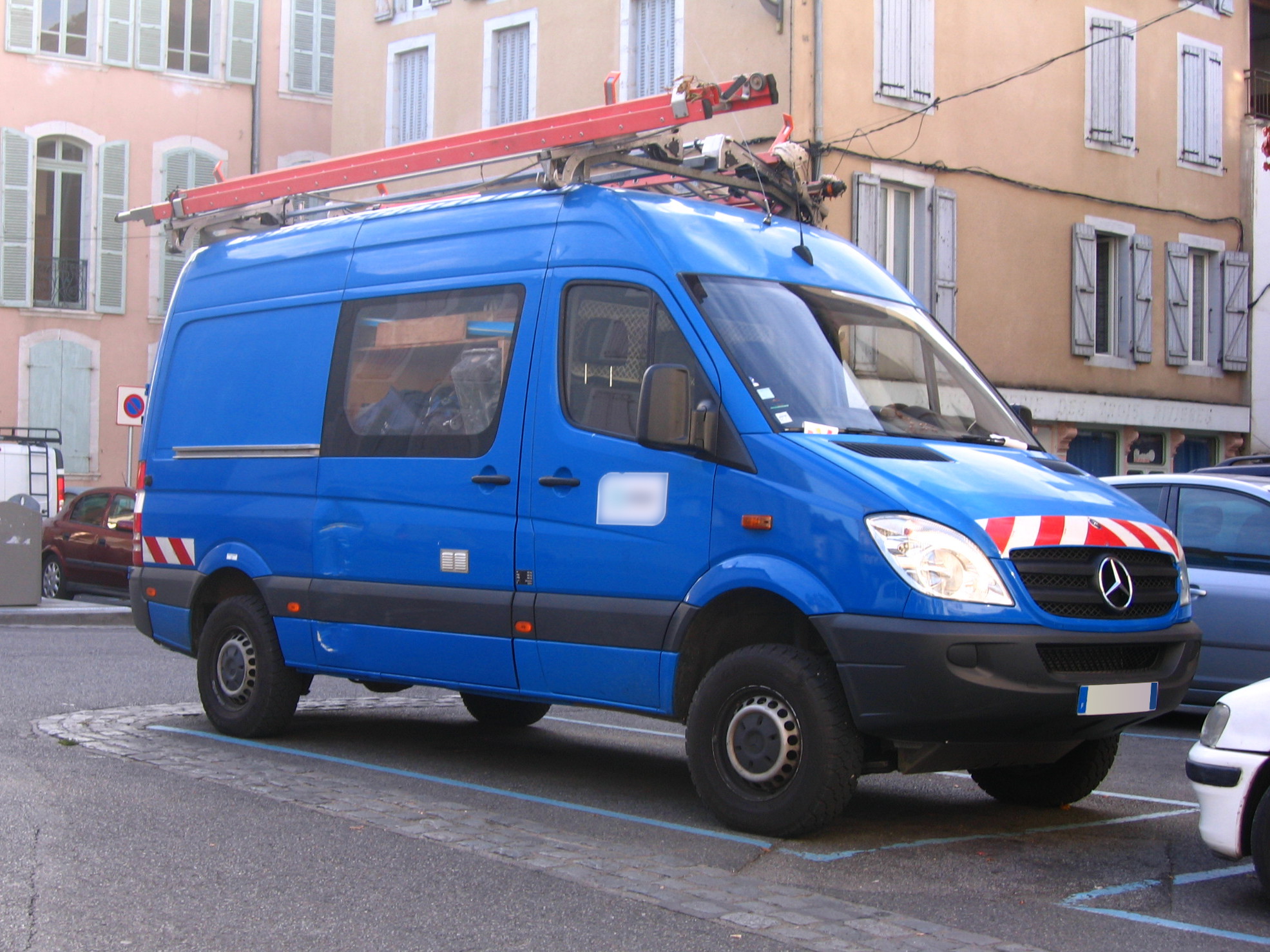
Why a delivery van’s brakes heat up from city stops alone, why the fronts wear first, and what smoke or a pull means.
Parts, warning signs, and what to do when a brake overheats.
Brake care by size: bike pad and rotor, motorcycle front-disc heat, car fluid and dry torque, truck gear and air checks.
After brakes overheat, a mechanic checks pads, rotor thickness, cracks, hard spots, calipers, fluid, and truck air leaks and stroke.
Fade, smell, smoke, pull, and glow: what each brake sign means, firm vs sinking pedal, and when to stop the trip.
Do not pour water on a hot rotor. Cool glowing iron in air, then check thickness, cracks, and hard spots.
Pads, rotors, drums, fluid, and calipers explained: what each does, who uses discs, drums, or air, and how size runs from a bike disc to a truck drum.
Stop safely, cool brakes in air, then test at low speed. End the trip if the pedal is soft, the vehicle pulls, or smoke continues.
Unlock this site for 6 hours
Watch a short advertisement to continue using Brake Glow without full-screen ads for the next six hours. Display ads may still appear in articles.