Fade, smell, smoke, pull, and glow are the five brake signs most drivers and riders meet when heat outruns cooling. Smoke, a sinking pedal or lever, a pull to one side, and glow on an ordinary road are reasons to stop the trip. A firm pedal with a longer stop is pad fade; a pedal that sinks is fluid fade or a leak. Glow on a normal street is not proof that the stop was done correctly.
Friction turns motion into heat
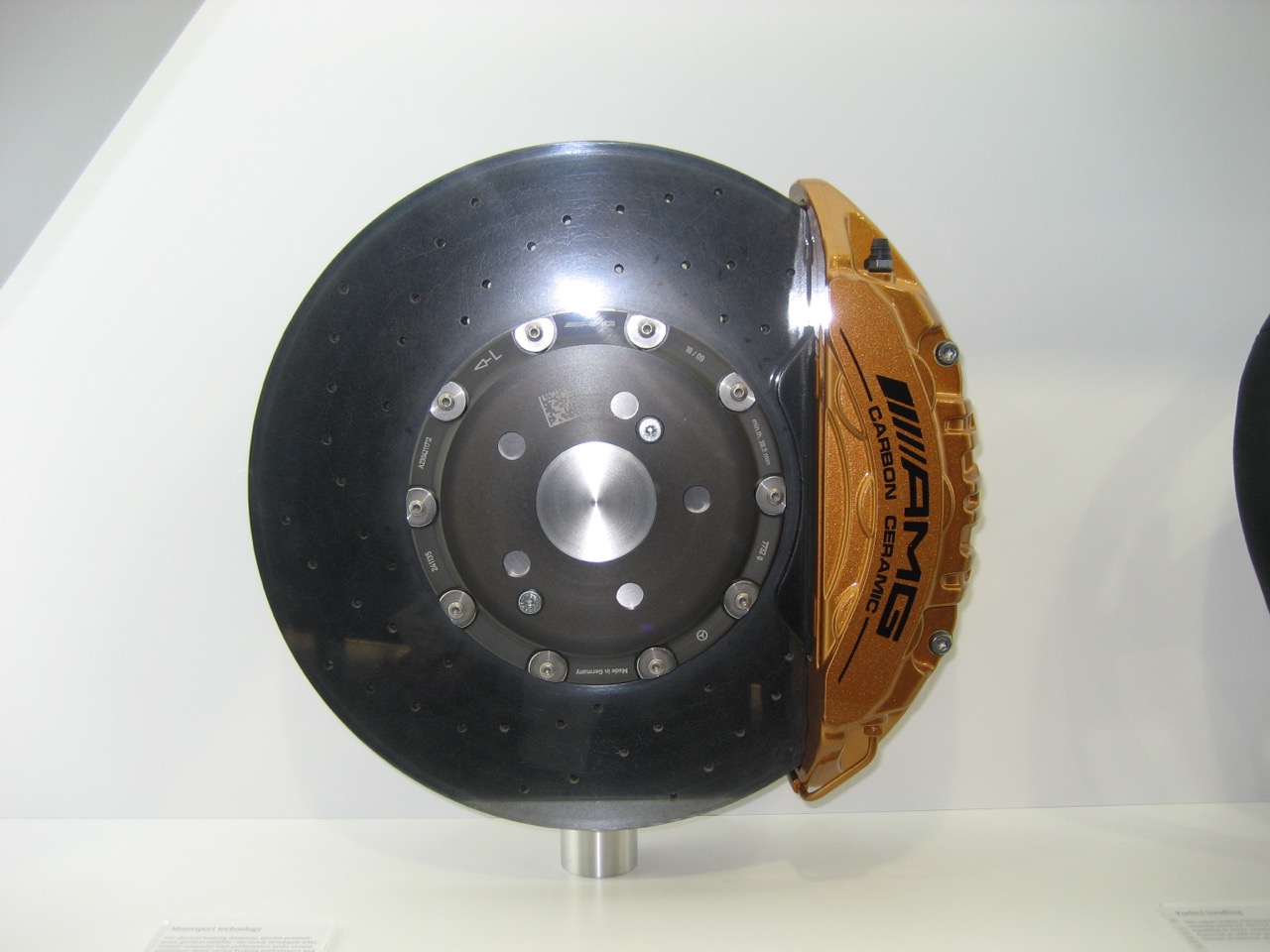
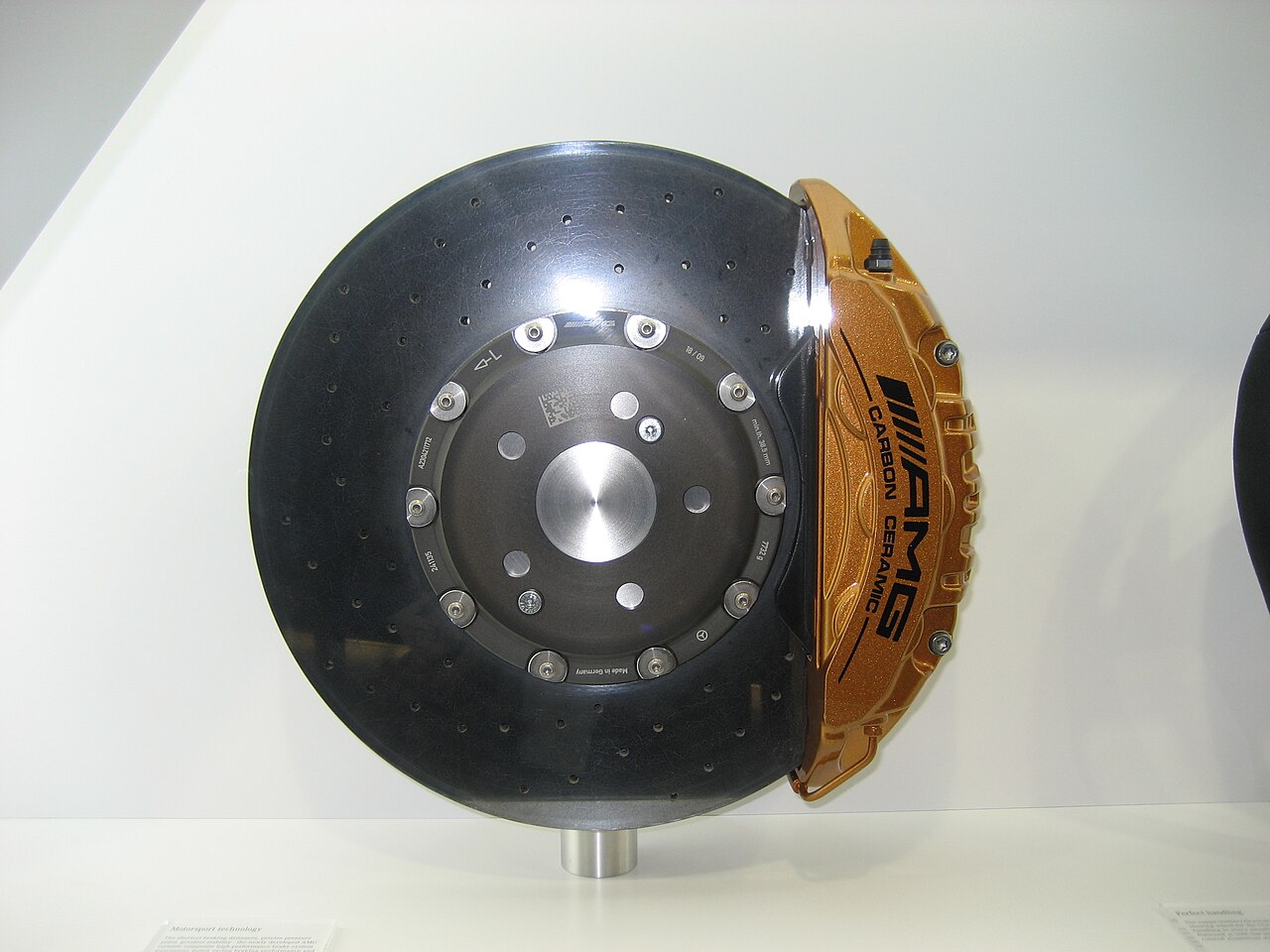
Every stop converts the vehicle’s motion into heat at the friction surfaces. On cars, motorcycles, and most modern bicycles with discs, pads clamp a rotor. On many scooters and on air-braked trucks and buses, shoes press the inside of a drum. Hydraulic systems—cars, motorcycles, and hydraulic bicycle discs—use brake fluid to move the caliper or wheel cylinder. Heavy trucks and buses use air chambers that push the shoes or pads when the treadle opens the circuit.
The parts differ; the physics does not. Kinetic energy rises with mass and with the square of speed, so the same hard stop from a higher speed dumps far more heat into a small contact patch. Pads and shoes turn that energy into friction; rotors and drums store and shed it. Fluid on a hydraulic system sits next to that heat and can boil if the boil point has fallen with age. Air on a truck does not boil, but the drum can grow and the chamber stroke can lengthen, so the stop still goes long. If you only watch the pedal feel, you can miss the wrong kind of fade.
How vehicle size and use change the heat
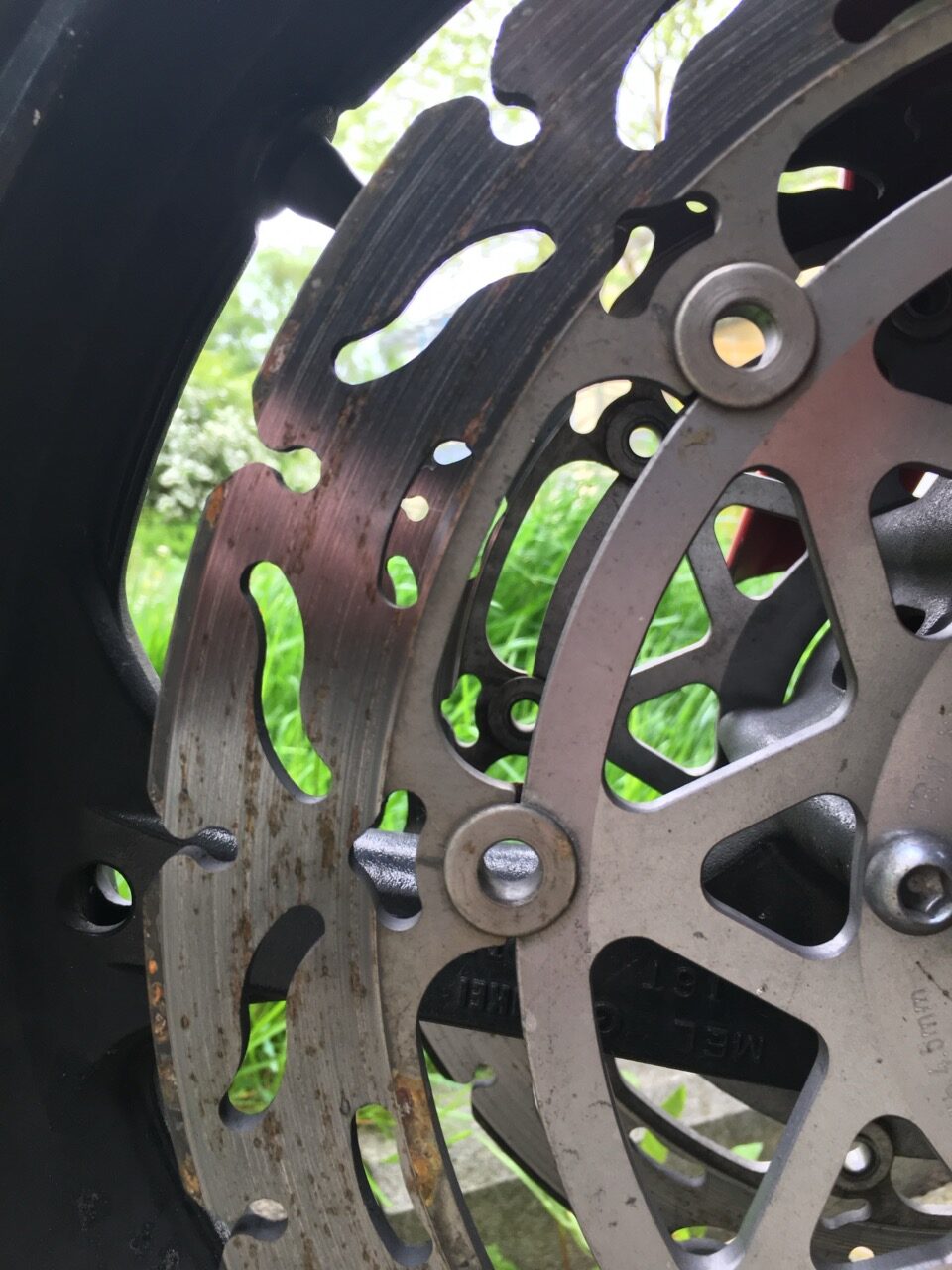
A bicycle or motorcycle carries far less mass than a car, yet a long downhill or one hard stop can still fade resin pads or leave a front disc briefly glowing. The disc is small, airflow can be limited behind a fender or fairing, and the rider’s weight shifts onto a single front rotor that does most of the work. On a light bicycle, a common disc is about 160 mm; the same hill that a light bike survives can push a heavier e-bike into fade sooner because more mass loads the same pad area unless the rotor is stepped up to 180 or 203 mm.
A passenger car’s hydraulic discs add the full set of signs—smell, smoke, pull, and glow—once city stops or a grade keep the pads on the rotors. The pedal may stay firm while the car needs more road, which is pad fade. Or the pedal may sink if fluid boils or a line leaks, which is fluid fade. That distinction matters because the next action differs: cooling may restore a firm-pedal fade for one careful trip to a shop, while a sinking pedal ends the trip now.
A heavy truck with air drums fades differently. Heat expands the drum away from the shoes, so the stop lengthens even when the treadle still feels ordinary. That is not the same as a car pedal sinking under your foot, and car-rotor temperature ranges do not describe truck drums. Chamber stroke that has grown long produces the same “ordinary feel, long stop” pattern. A bus is inspected often because it is heavy and stops are frequent; the inspection exists so worn shoes, long stroke, and leaks are caught before the next route, not because every road feels like a mountain.
Fade, smell, smoke, pull, glow—and what each usually means
Fade is a longer stop for the same effort. On a car, SUV, pickup, or van with hydraulic discs, a firm pedal that still needs more road usually means the pads—or shoes, if the rear still uses drums—are hot and the friction material is losing bite. On a motorcycle or bicycle with a hydraulic lever, the same pattern is a firm lever and a longer stop. That is friction-material fade. The decision is to get off the brakes, cool in air, and treat the next stop as a test: if length stays long, do not restart a hard trip.
A soft pedal or lever that sinks toward the floor or bar is different. On hydraulic systems—cars, motorcycles, and hydraulic bicycle discs—that usually means fluid fade from boiling, air in the line, or a leak. Do not call both problems “fade” as if they were one repair. An air-braked truck treadle can feel ordinary while the stop is already long because the drum grew or a chamber is out of stroke; that is not a sinking car pedal, and pouring fluid logic onto an air system will send you to the wrong check.
Smell is common and easy to misread. A short new-car smell while pads bed in can pass after the first gentle stops. A burning smell that stays after you ease off, or that returns on every ordinary stop, is heat that is not clearing. Bedding does not produce a soft pedal, smoke, or a pull. If those arrive with the smell, it is not bedding.
Smoke at a wheel means friction material, grease, or a dragging pad has gone past a temporary scent. The vehicle where readers see it most often is a car or van after repeated hard stops or a stuck caliper; motorcycles show it when a front caliper drags after a hard stop. Smoke that continues after you stop is a trip-ender.
Pull—steering or chassis tug to one side under braking—usually means one side is doing more work than the other: a sticking caliper, contaminated pads, or unequal shoe contact. Cars and vans show pull clearly because the steering reports it; a motorcycle may feel it as a weave or a grab at the front disc. Pull with heat on one corner points to a mechanical drag, not “the road is cambered.”
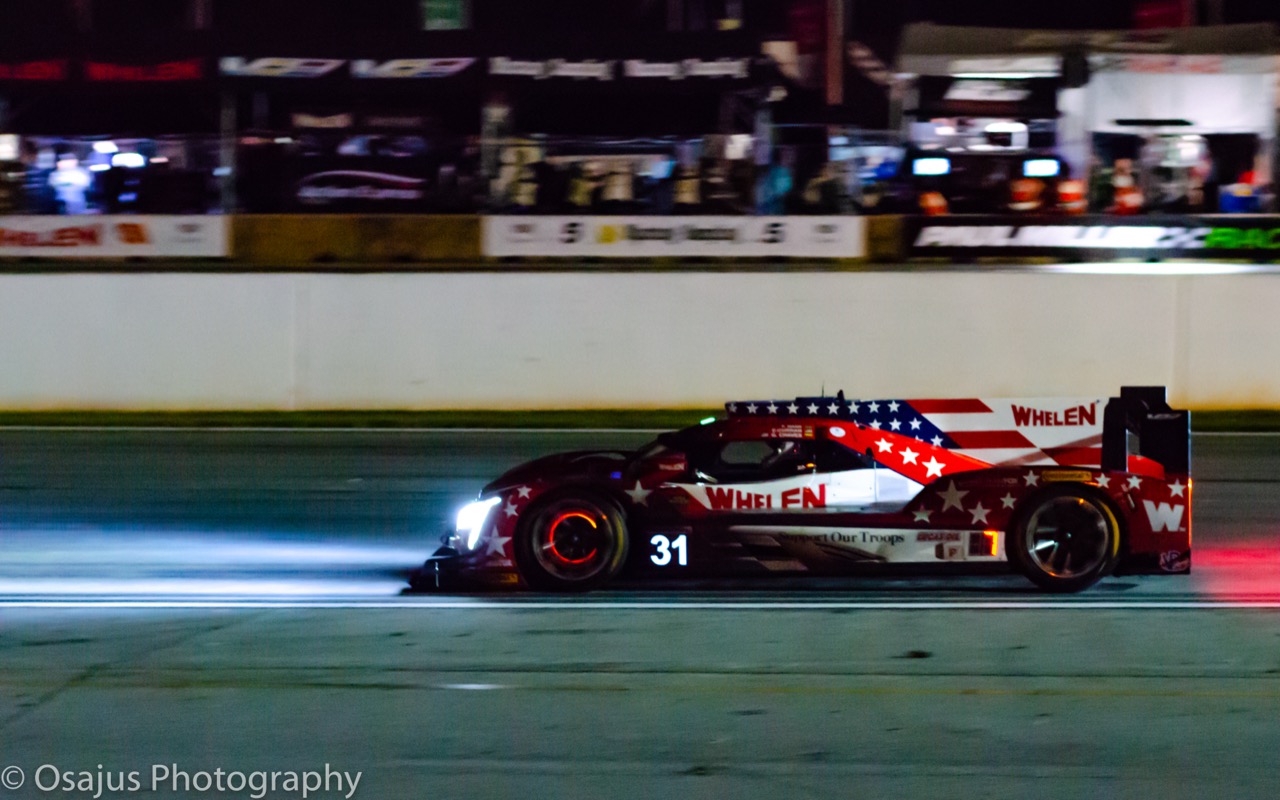
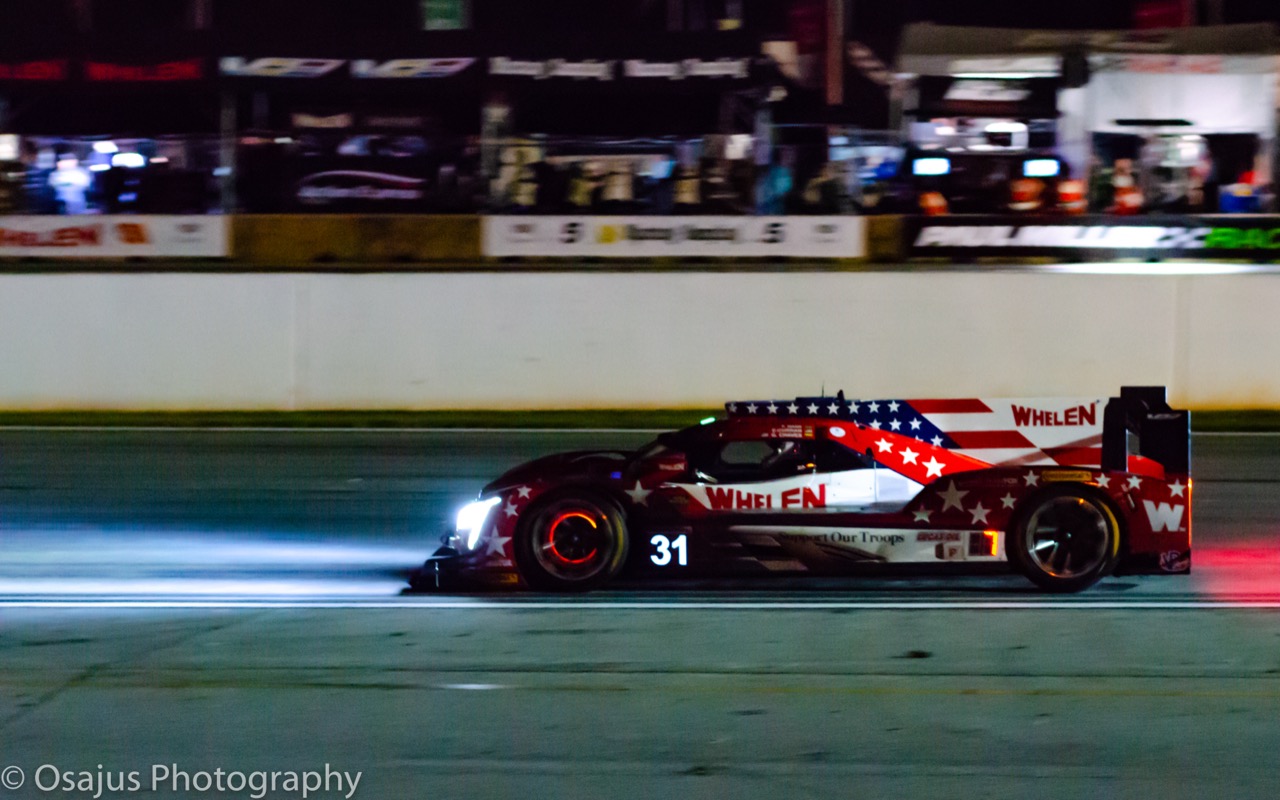
Glow is visible orange or red on the disc after hard use. On an ordinary road, glow is a warning that the iron is extremely hot, not a badge that the stop was correct. Motorcycles can show a brief glow on the front disc after a hard stop or a drag; cars show glow after several severe stops when rotors climb into the high heat band described later. Truck drum glow is a different part and a different temperature story—do not borrow car numbers for it.
Also check three related cues. A soft pedal or lever on a hydraulic bike, motorcycle, or car points to fluid problems, not just hot pads. A blue rotor after repeated hard stops shows the iron was heated hard enough to change color; treat it as evidence of severe heat cycles and plan a thickness and run-condition check at a shop. One wheel much hotter than the others after a short drive often means a dragging caliper or seized slide—constant light friction that can smell, smoke, or fade that corner alone.
On a motorcycle, most of a hard stop is the front disc, typically about 300–320 mm across. That front disc can glow after a hard stop or when a caliper drags; a soft lever can mean boiled fluid. On a bicycle, rim brakes heat the rim itself, while discs move heat to a rotor and pads. Resin pads fade sooner than metal pads under long hills; a heavier e-bike fades sooner than a light bicycle. Scooters often run a front disc about 190–220 mm and a rear drum about 140 mm; after a wet ride, a shoe or pad can drag until it dries, which raises smell and heat even without a mountain. A delivery van builds heat from city stops alone—fronts wear first—so fade and smell show up in traffic, not only on grades. Choose the cooling stop early in city work the same way you would on a hill.
What to do at the roadside
Stop in a safe place off the travel lane. Leave the vehicle secured the way you normally would for a short wait, then get your foot or hand off the brake so the pads or shoes can leave the rotor or drum. Let the brakes cool in moving air. Continue only if the next gentle stop feels normal in length and the pedal or lever returns to its usual height and firmness.
If the pedal or lever is soft, the vehicle pulls, or smoke continues, the trip ends there—tow or arrange a repair before you roll again. Glow on an ordinary road belongs in that same stop-now list. Do not pour water on a hot rotor or drum. Sudden cool can crack the iron and turn a heat problem into a mechanical failure. Waiting for air to carry the heat away is slower and safer than shocking the metal.
What a shop checks next
A mechanic measures pad or shoe thickness and compares left to right, then checks rotor or drum thickness against the stamped minimum so a thin disc is not asked to store another heat cycle. They look for a sticking caliper—slides that do not move, a piston that will not retract—because a drag explains one-sided heat, smell, and pull. On hydraulic systems they inspect fluid level, color, and visible leaks at lines, hoses, and calipers; dark, moisture-laden fluid boils sooner and is a common path to a sinking pedal after hard use.
On a truck or bus they check for air leaks and chamber stroke within the maker’s range so a long stop is not ignored as “normal feel.” Those checks describe the condition. They do not require the owner to open the hydraulic circuit, disable a brake, or adjust a slack adjuster at the roadside. The owner’s job is to report which sign appeared—firm-and-long, soft-and-sinking, smell, smoke, pull, or glow—and which wheel felt hottest.
Car rotor heat in plain numbers
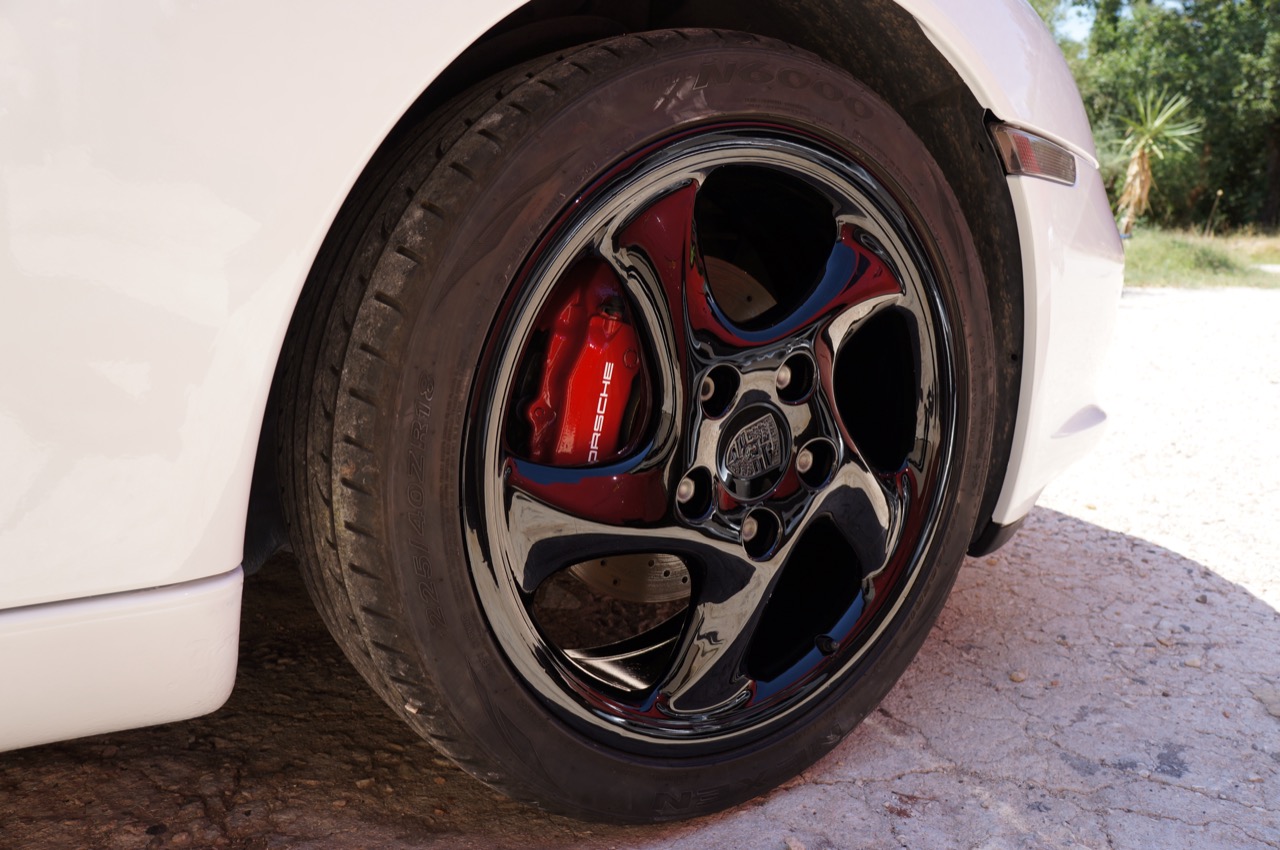
For cars, SUVs, pickups, vans, and light trucks with hydraulic discs only, heat depends on speed, weight, and how hard and how long the brakes are applied. A normal stop from 60 mph can raise front rotors about 150–250°F. Several hard stops can push rotors into 600–800°F, where iron can glow and brakes fade. Fade in that range means more pedal for less stopping. Semi-metallic pads usually tolerate more heat than organic pads. Vented fronts shed heat faster than solid rears. A light car from 60 mph can make more braking heat than a heavy vehicle from 20 mph, because energy rises with the square of speed.
Glow on a car is that same disc at the high end of that range. Use these figures only for light hydraulic discs. Do not paste them onto bicycle rotors, scooter drums, motorcycle discs as if they shared one scale, or air-brake drums on heavy trucks. When a car glows after ordinary-road abuse, the decision is the same as for smoke: cool, then end the trip if the pedal is soft, the car pulls, or glow returns on a light stop.
The mistake that makes heat worse
The harmful mistake is treating glow, smoke, or a sinking pedal as normal and continuing—or pouring water on the hot part to “cool it fast.” Riding the pedal or lever keeps the pads on the rotor so they cannot cool between applications. Heat then climbs instead of falling, fade lengthens, and smell turns into smoke. The decision that protects the stop is the opposite: get off the friction surfaces, cool in air, and end the trip when the pedal sinks, the vehicle pulls, smoke continues, or the disc glows on an ordinary road.

.jpg)
.jpg)