A truck that rides the pedal down a hill is overheating its brakes
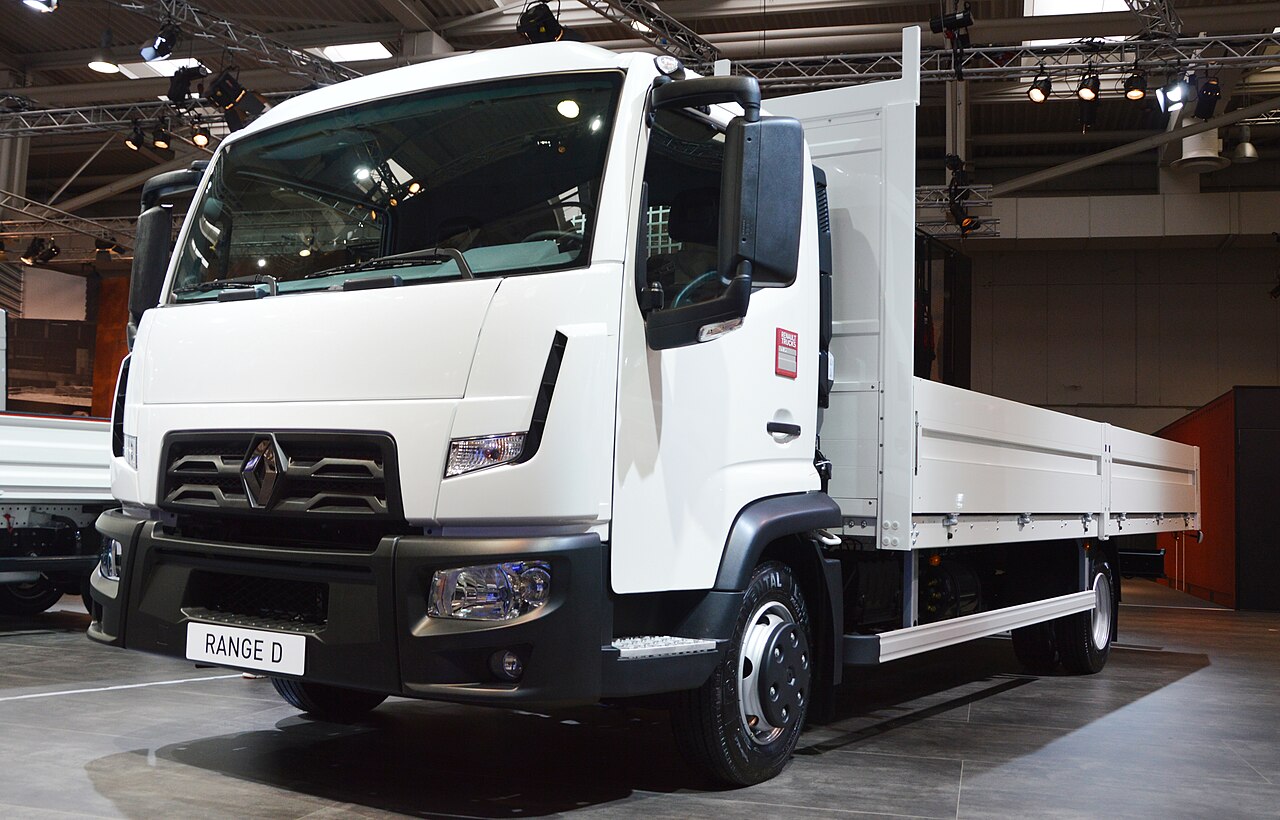
A heavy truck that smells of hot brakes, smokes at a wheel, or needs more road after a long descent has usually asked the foundation brakes to do the whole grade alone. An engine brake or a retarder turns the hill into engine load so the treadle is used in short applications and then released. Riding the pedal instead keeps the shoes or pads on the drums or discs the whole way down. That is not a normal hill smell. Pull over, cool the brakes, and end the trip if the stop stays long, the truck pulls, or smoke continues.
What the engine brake does that the pedal does not
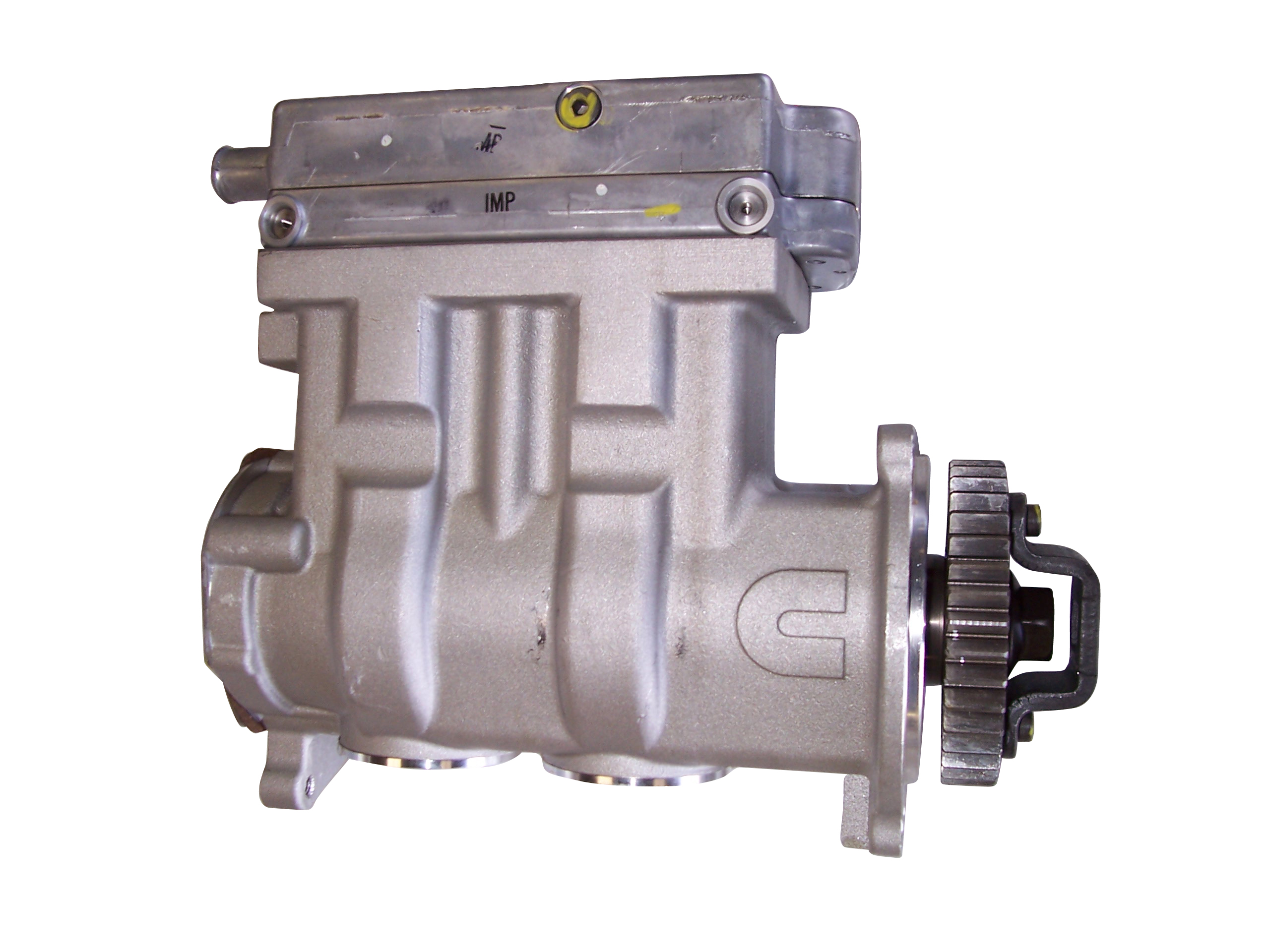
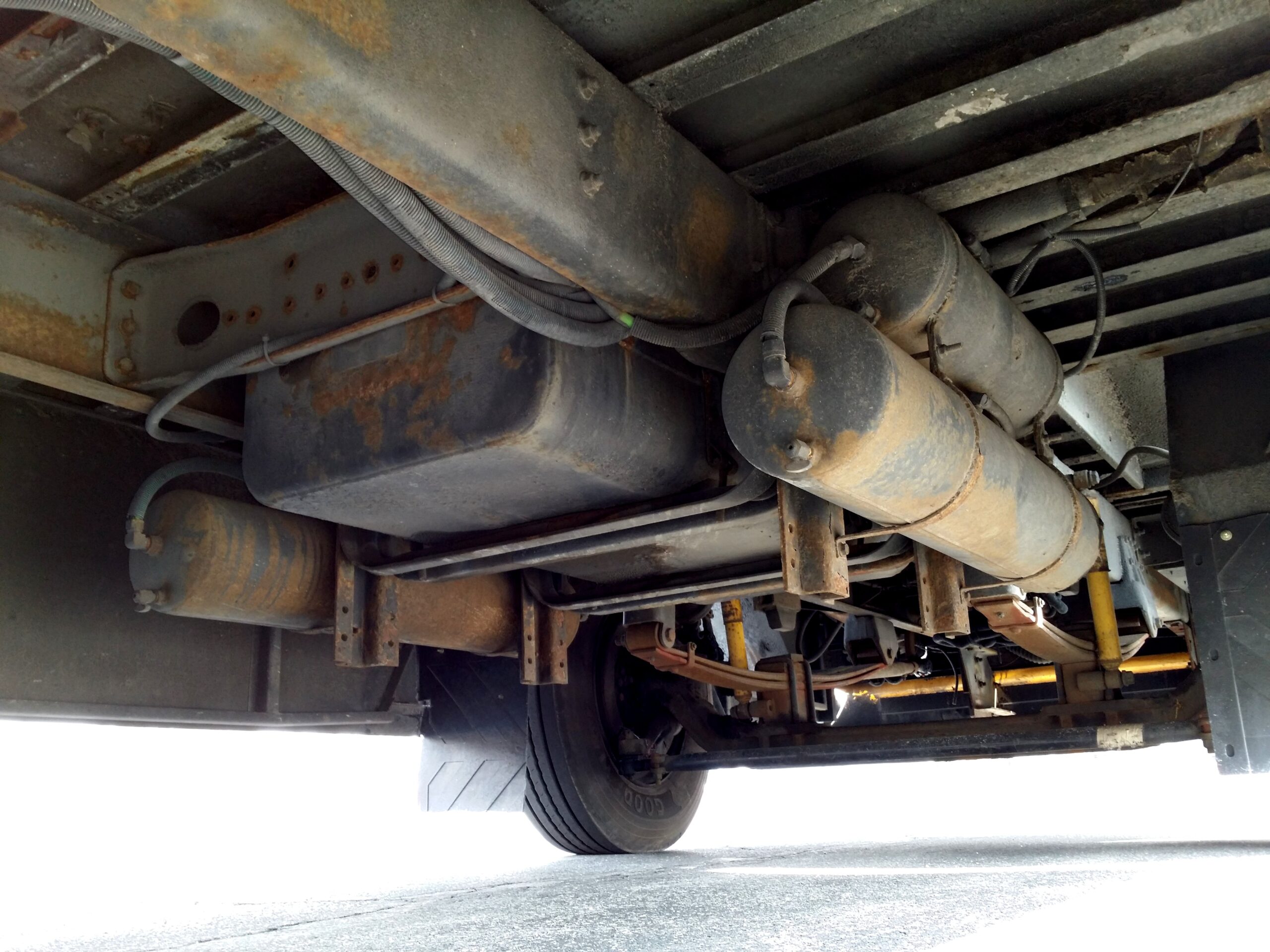
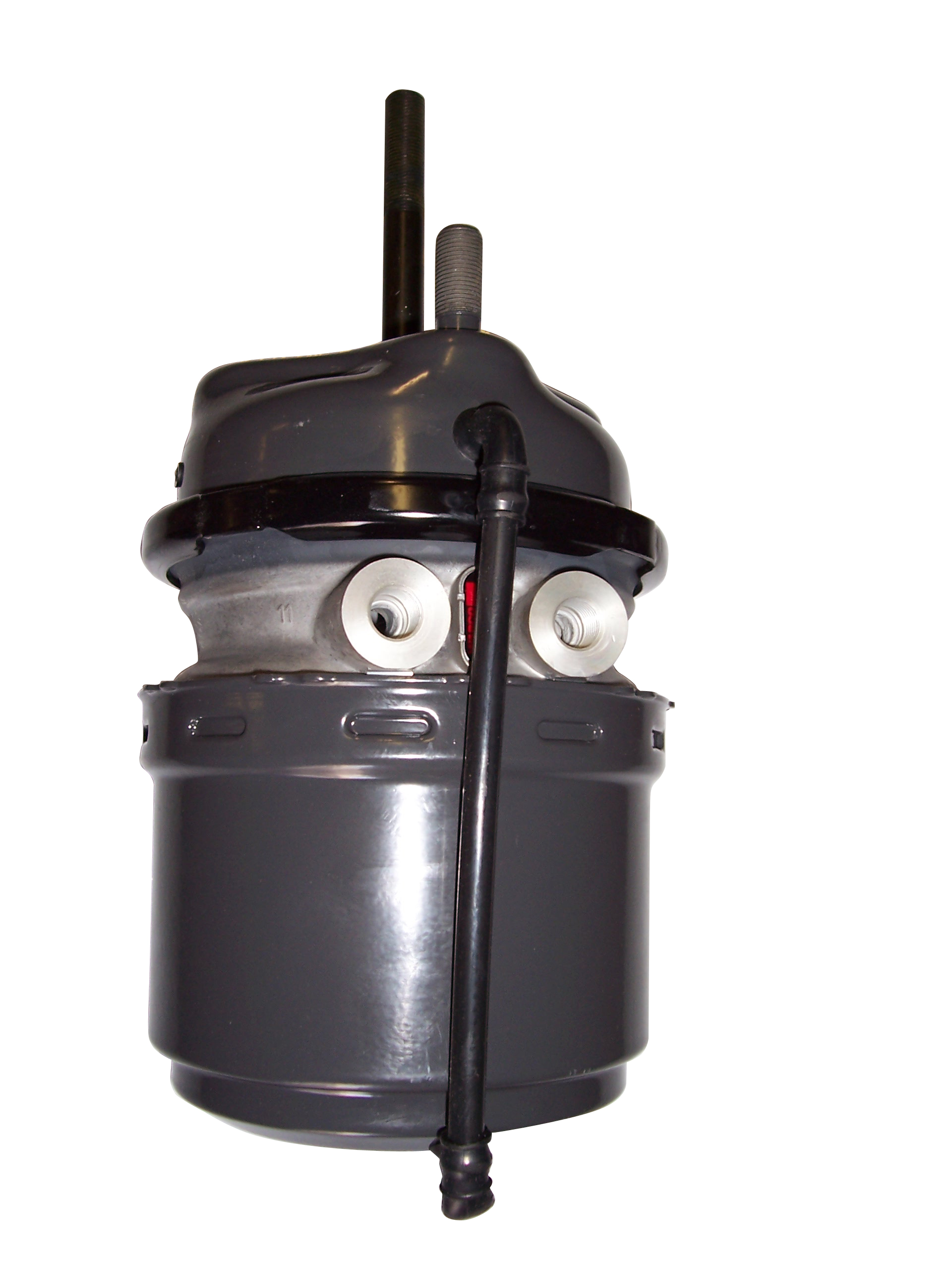
Friction at the wheels is still what brings a truck to a stop. Shoes press into drums, or pads clamp discs, and that rubbing turns motion into heat. Those parts are the foundation brakes. On a heavy truck they are usually air-applied: a compressor fills tanks, the treadle meters air into chambers, and each chamber pushes the shoes or the caliper. When the driver lifts off, the air should exhaust so the lining lifts clear. That gap is the only cooling interval the drum or disc gets.
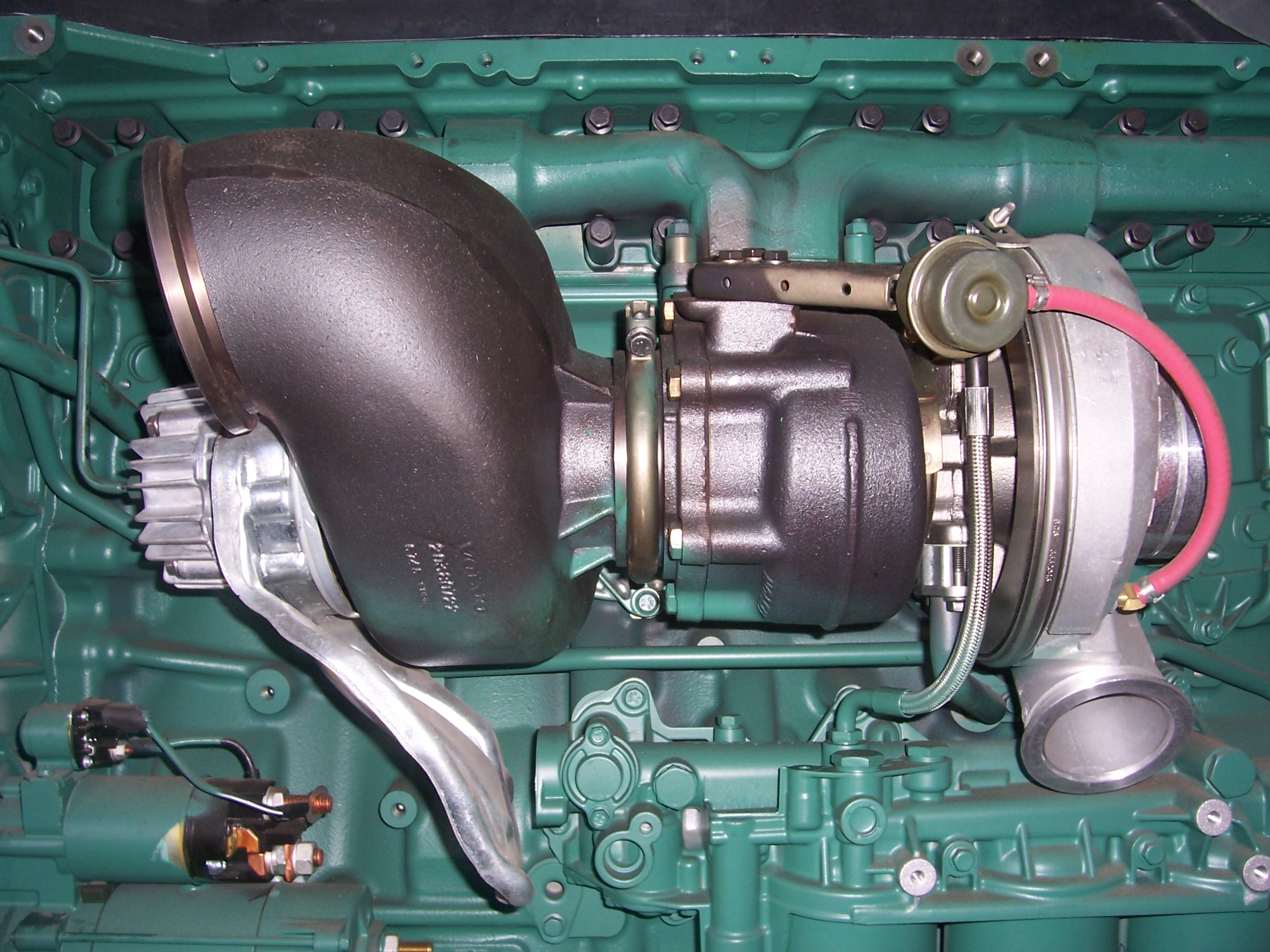
An engine brake or a retarder does a different job. It does not clamp the wheel. It turns the diesel engine, or a dedicated retarder unit, into a load that absorbs the energy of the grade before that energy reaches the drums. An exhaust brake restricts the path of exhaust so the engine works against back pressure. A compression-release engine brake opens an exhaust valve near the top of the compression stroke so the engine absorbs work and then does not push the truck forward again on the power stroke. A hydraulic or electromagnetic retarder does a similar job further along the driveline. The common result is the same: the truck slows on engine load, and the foundation brakes are saved for short presses when the speed must drop further or the truck must stop.
That is why the pedal pattern matters. With the engine brake or retarder working, the driver holds a gear that keeps the engine in its braking range, lets the engine absorb most of the grade, and taps the treadle only in short applications. Between those taps the shoes leave the drums, air moves across the iron, and heat can leave. Without that help, the driver holds the treadle to keep the same speed. The shoes stay against the drums for kilometres. Heat has nowhere to go. A hot drum expands away from the shoes, so the same air pressure produces less stopping and the pushrod travels farther. That is drum fade. More treadle then adds more heat. It does not hand the stop back.
An engine brake or retarder is not a parking brake and it is not a service-brake replacement for a panic stop. Springs apply the parking brake if air is lost. Compressed air applies the service brake when the driver needs a stop. The auxiliary brake is the third system: it manages the grade so the service brakes stay cool enough to still work when they are needed.
How a truck on a grade compares with a car and a bus
A passenger car on a long hill has no engine brake of this kind. The driver must use a lower gear, or the hydraulic discs take the descent. Riding the pedal on a car keeps the pads on the rotors so they cannot cool, and a firm pedal with a longer stop is pad fade while a sinking pedal is fluid fade—see downhill driving, riding the pedal, and a soft pedal. The car is the smaller neighbour. Its mass is a fraction of a loaded combination, so the same grade asks less of its brakes, but the mistake of continuous pedal pressure is the same physics at a smaller scale.
A city bus sits closer to the truck in hardware. Many buses use air brakes, and some carry an engine brake or an automatic retarder. The bus’s hard day is usually stop spacing, not a mountain: a full bus is heavy and the stops are frequent, which is why those brakes are inspected often. A coach or a motorhome on a long grade behaves more like the truck. Extra weight multiplies the energy the brakes must throw away, and continuous treadle pressure on a hydraulic or air coach overheats the foundation brakes the same way.
The truck is the large end of this comparison when it is loaded. A combination that weighs tens of tonnes stores far more motion at highway speed than a hatchback or a transit coach. Speed still multiplies the job: energy rises with the square of speed, so a descent begun too fast asks the brakes for roughly four times the work of a descent begun at half that speed. The engine brake or retarder is sized to take a large share of that continuous work. The foundation brakes are sized for stops and for short speed checks, not for holding that mass on a closed treadle from the summit to the valley.
What the driver can check on the descent
Smell after the first kilometres of grade is the earliest warning. A brief hot-lining smell with the next application still short and straight can be heat leaving once the shoes have lifted. If each slowdown takes more road than the one before, the smell is fade. On a truck that is a reason to leave the grade, not a cue to press harder.
Smoke at a wheel means a lining or a drum is charred, or a chamber is holding that brake on after the treadle is up. Take the next safe turnout. Do not finish the mountain to see whether the smoke thins.
The treadle can feel firm while the stop is already too long. That is common on air brakes when the drum has grown away from the shoes or a chamber is out of stroke. It is not the sinking pedal of boiled car fluid. Treat a longer stop as a failed stop. A low-air warning is a separate failure: the supply that applies the service brakes is leaving, and the spring brakes will apply as pressure falls. Park before they choose the spot.
A pull to one side means the wheels are not sharing the work. A stuck chamber, an oily lining, a trailer brake that is not applying, or a dragging air disc will tug the combination. Steering against it does not cool the hot drum. Park and have that corner compared with the others.
After the truck is parked and held, one hub that throws obvious heat when the others are only warm usually means that brake did not release. Do not put a hand on the drum. Heat felt a short distance from the wheel is enough. On a truck with air discs, a blue rotor is that disc far past a normal stop. It is not proof the grade was handled well. Cool it in free air. Do not pour water on a hot drum or disc. A sudden quench can crack the iron.
If the engine brake or retarder is switched off, or the gear is too high for it to work, the foundation brakes will take the whole grade even when the driver thinks the auxiliary system is helping. The decision before the summit is to confirm the auxiliary brake is on, the gear keeps the engine in its braking range, and the treadle will only be used in short presses. Waiting until the drums smell to discover the retarder was off is how a routine grade becomes an emergency stop that no longer works.
What to do at the roadside
Signal early and take a turnout, ramp, or shoulder where the combination is clear of the lane. Set the parking brake. If the outfit will sit without rolling, release the service brakes so the shoes are not clamped on hot drums for the whole cool-down. Cooling is time and air. Water is the wrong tool.
Continue only if, after the brakes have cooled, a low-speed test application is as short and as straight as a normal one, smoke has stopped, and any air warning is out. If the treadle is long, the truck pulls, or smoke continues, the trip ends there. Do not start the next grade on those brakes.
Do not adjust slack at the roadside. A mechanic measures pushrod stroke against the limit for that chamber. Turning an adjuster in a lay-by can hide worn linings and still leave the next stop long. This page will not walk through that adjustment.
What a mechanic checks after a hot grade
The visit starts with the foundation brakes, then the air that applies them, then whether the engine brake or retarder is working as intended. On drums the mechanic looks at lining thickness and at drums that are cracked, scored, bell-mouthed, or heat-checked. A drum has its own diameter limit. That limit is not a car-rotor temperature or runout figure, and those car numbers do not belong on this truck.
On air discs the same visit covers pad thickness, the rotor, and a caliper that is sticking. A dragging caliper turns every kilometre of the grade into a continuous light application.
Air checks cover leaks, warning devices, and pushrod stroke at each wheel. Stroke past the limit means the shoes are using travel before they press the drum hard. Measuring that is the check. Adjusting it is shop work.
If the complaint is that the truck still overheated with the engine brake on, the shop also confirms the auxiliary system responds, the gearing kept the engine in range, and the trailer brakes are applying. An engine brake that is switched off, or a trailer that is not braking, dumps the grade back onto the tractor drums. There is no brake-fluid diagnosis on the service brakes of an air-braked truck, because those brakes are not filled with fluid.
The fact that belongs to this truck
The fact that belongs here is the division of labour on a grade. The engine brake or retarder turns the hill into engine load so the foundation brakes are used in short applications and then released. The foundation brakes are the last system for a stop, not the continuous speed control for a multi-kilometre descent. A truck that relies on the pedal alone asks the drums or discs to absorb every joule the combination stores at the top of the hill. Weight and speed make that energy large. Continuous clamp turns it into fade.
The mistake that makes the grade worse
The harmful move is to ride the treadle from the summit to the valley with the engine brake or retarder unused or ignored. The shoes stay against the drums, the drums grow, and more pedal produces less stopping. Switching the auxiliary brake on after the drums are already smoking does not reverse the heat already stored in the iron. Park, cool the brakes in the air, and let a mechanic measure the linings, the drums or rotors, the chamber stroke, and the engine brake or retarder before the truck takes another load down a hill.
Read next: Air brakes on a heavy truck, and how they differ from car brakes, and Downhill driving, riding the pedal, and a soft pedal.