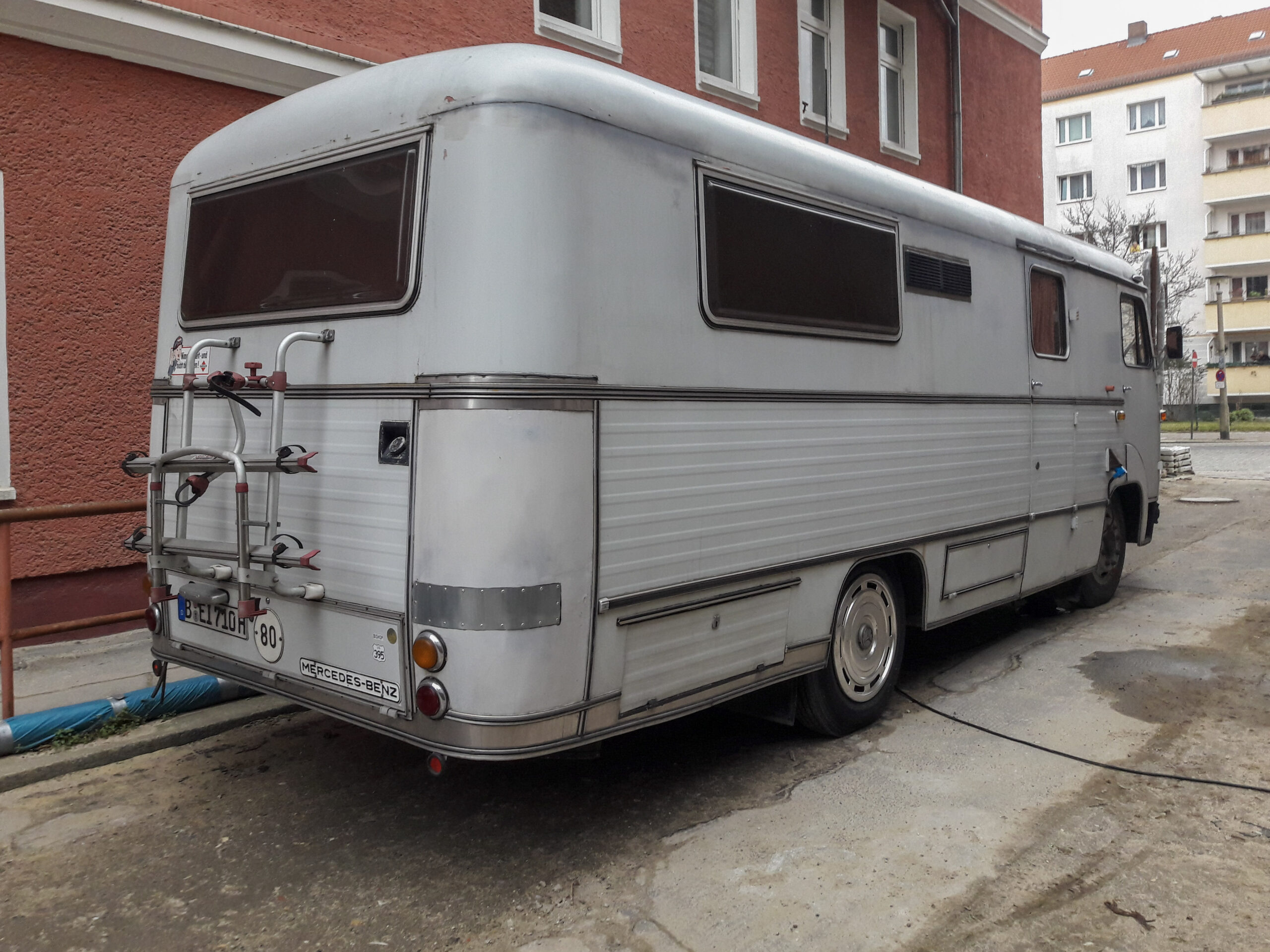
A motorhome on a long mountain grade is a heavy house that stores a lot of motion. Riding the brake pedal the whole way down is the wrong way to manage that motion. A firm pedal that suddenly needs more effort is fade from heat. A pedal or treadle that sinks, or that keeps needing more pressure for the same slow-down, is a reason to leave the grade at the next safe pullout. Smoke or a burning smell that stays after you release the pedal means the same: stop the descent there. The decision is binary once those signs appear—cool and reassess, or end the descent—not “push a little harder until the valley.”
A heavy house stores motion as heat
Friction is what slows any coach. Pads or shoes rub a rotor or a drum, and that rub turns the motorhome’s downhill motion into heat in the brake parts. The coach is tall, long, and often several times the mass of a passenger car, so the same road speed carries far more energy that has to go somewhere. On a multi-mile grade, that somewhere is almost always the foundation brakes unless the driver shifts part of the job to the driveline with gear selection and, where fitted, an exhaust brake or retarder.
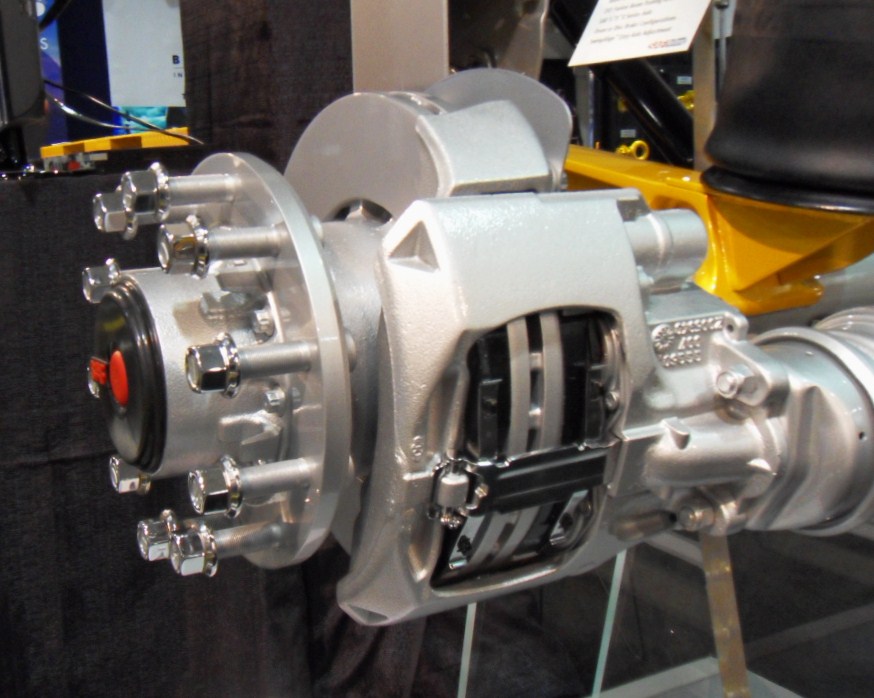
Not every RV uses the same brakes. A smaller camper van or a Class C built on a van chassis often has hydraulic disc brakes, much like a heavy van: pads, calipers, large vented rotors, and brake fluid that can absorb water over years of service. A large diesel motorhome often uses air brakes, more like a bus or a heavy truck: compressed air applies the service brakes at the wheels, and springs hold the parking brake if air pressure is lost. Before the grade, the driver should know which system their coach has. Guessing mid-descent is not a plan, and this article will not invent a specific coach’s brake type or a GVWR for you.
On a hydraulic coach, holding the pedal keeps the pads pressed on the rotors so the rotors cannot shed heat into moving air between applications. The fluid sits in a sealed circuit and will boil if it has taken on enough water and the calipers stay hot; after a boil, the pedal can sink because vapor compresses where liquid would not. On an air-brake coach, riding the treadle keeps the foundation brakes hot the same way. Hot drums can expand away from the shoes and fade, so more treadle travel buys less slowing. A lower gear, and an exhaust brake or retarder if the coach has one, turns part of the grade into engine load so the service brakes are used in short applications instead of a continuous rub.
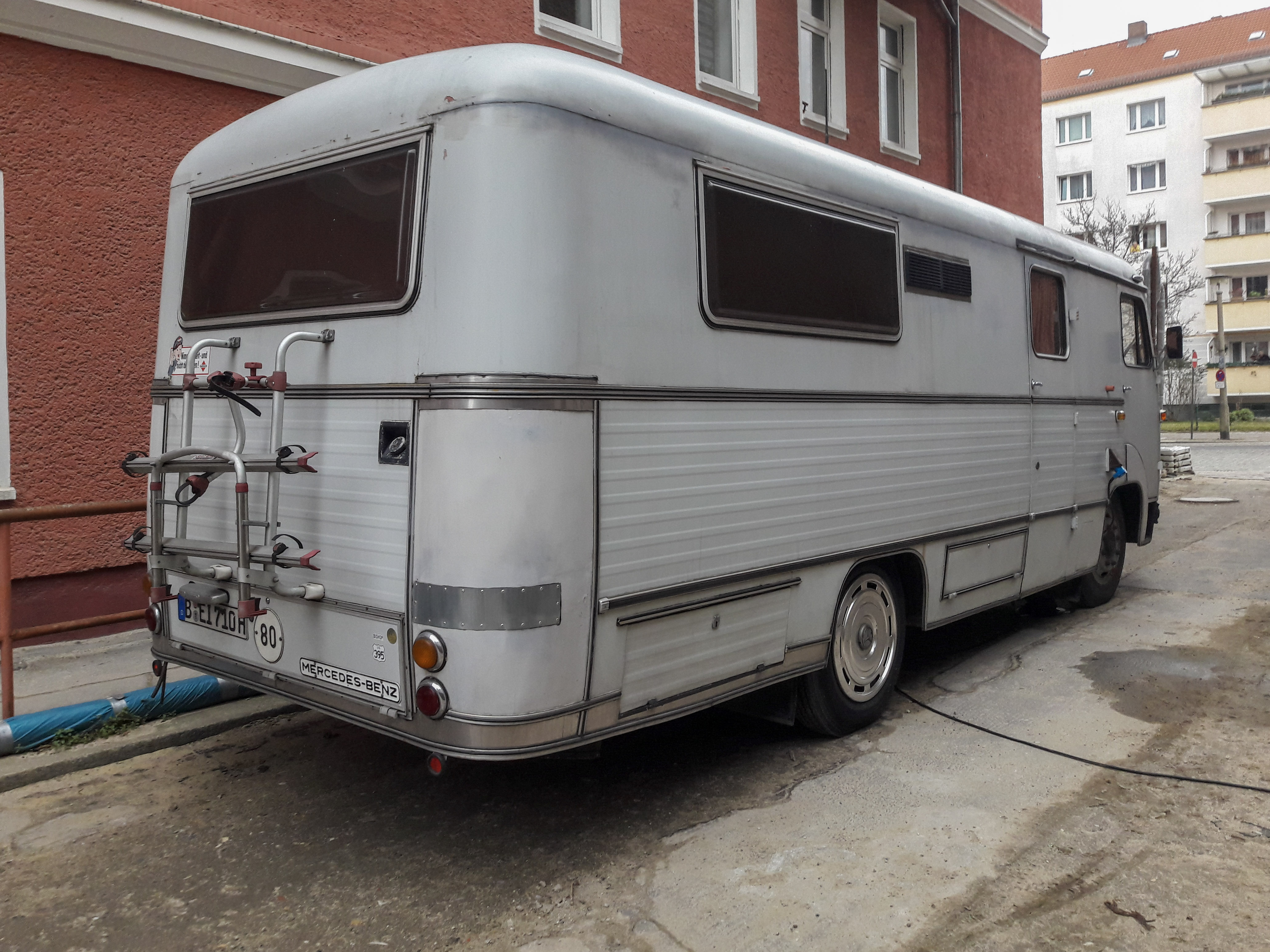
Where a motorhome sits between a car and a truck
A passenger car on the same mountain grade has far less weight, so the same speed makes less braking heat. A normal car stop from about 60 mph can raise front rotor temperature into the roughly 150–250°F range on a hydraulic disc system. Those figures apply to hydraulic disc brakes only—not to air-brake drums. An RV is several times a typical car’s weight, so holding the same road speed on the same grade is a much larger thermal job for whatever brake hardware the coach actually has. Doubling mass at the same speed roughly doubles the energy that must become heat for a given speed change; an RV that is three or four times a car’s mass is not a “slightly heavier sedan” problem.
A heavy truck is expected to use an engine brake or a retarder and not the service pedal alone on a long descent. The motorhome sits between that truck and the car: more mass than the car, often with less dedicated retarder habit than a professional truck driver brings every day. Speed on the grade matters more than how “okay” the pedal feels in the first mile. A light car braking from 60 mph can still make more braking heat than a heavy vehicle that is already held near 20 mph, which is why the early decision is gear and speed, not how hard the foot can push. If the coach is already above a controlled crawl when the grade steepens, the foundation brakes will be asked to erase energy that gear selection should have prevented.
If you also tow, the combined rig adds still more mass that the tow vehicle’s brakes—or the trailer’s own brakes, if fitted—must handle. That story belongs with Towing a trailer; the same heat-and-fade logic applies when the house is a trailer instead of a motorhome body. For a shorter look at why continuous pedal pressure is the wrong downhill habit even on lighter vehicles, see Downhill driving, riding the pedal, and a soft pedal. The same fade pattern shows up on two wheels in Why Bicycle and E-Bike Brakes Fade on a Long Hill.
What you can check from the seat and at a pullout
Smell is an early signal. A sharp hot-friction smell that fades after you release the pedal is different from a smell that stays while you coast. Smoke at a wheel is not a “finish the grade” cue; it is a leave-the-grade cue. Feel matters next: a firm pedal that simply needs a longer push for the same slow-down is classic fade from hot friction surfaces. A pedal that sinks toward the floor, or a treadle that needs steadily more travel or pressure, is a different and more urgent problem—leave at the next safe pullout rather than testing whether the next curve will forgive you.
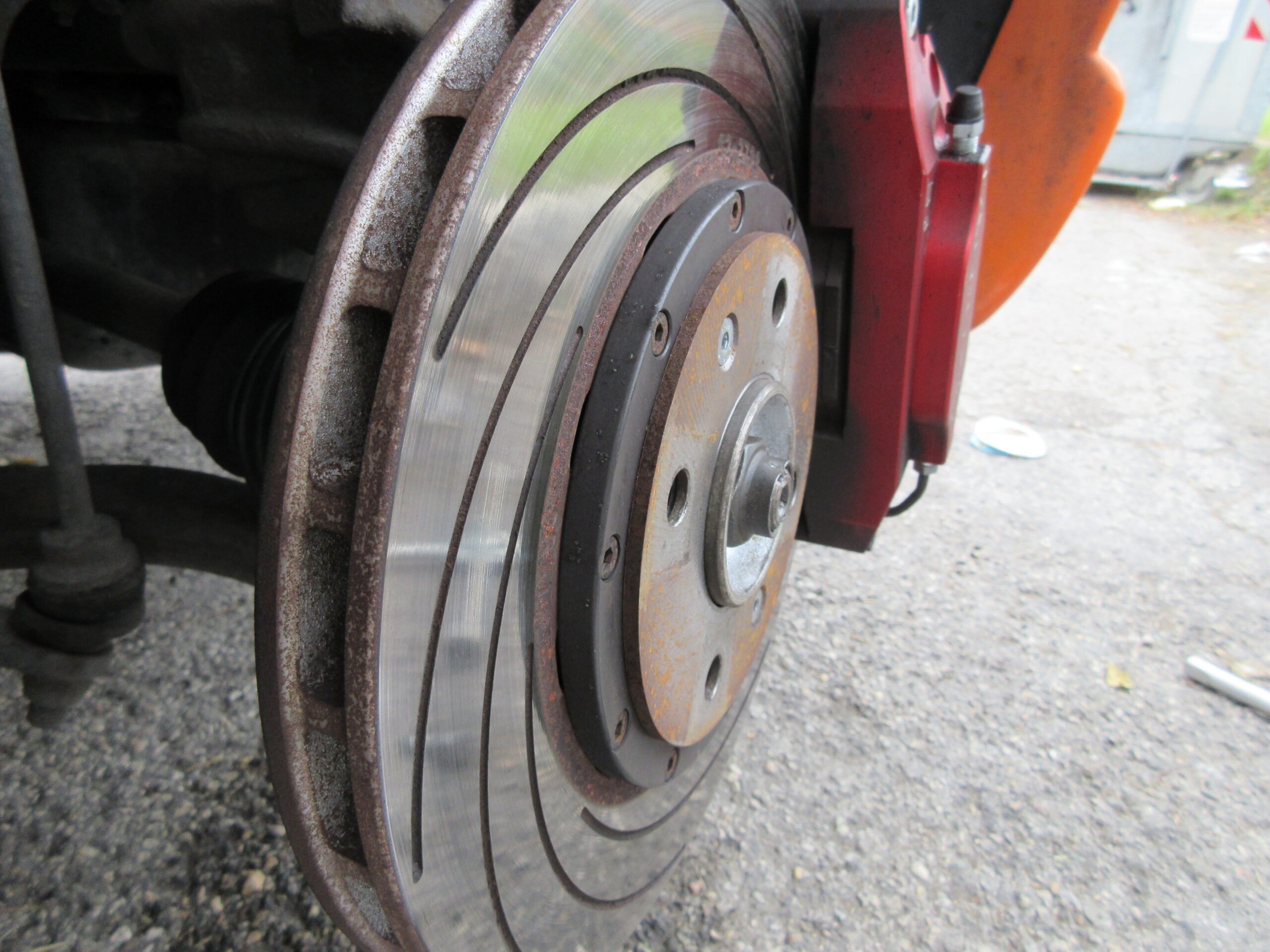
Pull to one side under light braking points to uneven work at one corner. After a stop, one wheel that is clearly hotter than the others suggests a sticking caliper, a dragging shoe, or a foundation brake that did more than its share. On a hydraulic coach, a rotor that later shows a blue heat tint after it cools has already been through a severe temperature cycle; that is a shop conversation before the next long mountain day. On an air-brake coach, a falling air gauge or an air-system warning is a stop-now signal, not something to “nurse” to the bottom. Know where your coach’s air gauges and warning lights sit before you need them in a panic glance.
Roadside choices on the grade
Use a signed brake-check pullout or a wide shoulder where traffic can see you. Release the pedal or treadle so the friction surfaces can cool in moving air. Do not pour water on hot rotors or drums; sudden quench can crack metal and does not fix fade that already started from continuous use. Continue only if braking feels as it did at the top of the grade and, on an air coach, the system builds and holds air normally. If the pedal is soft, the coach pulls, or smoke continues, the descent stops there—tow or wait for a real cool-down and a mechanic, rather than hoping the next mile will be kinder.
If braking still matches the feel from the summit and the rest of the grade is still safe to finish, drop to a lower gear that holds speed without a constant foot on the service brake. Use short brake applications instead of a continuous ride: slow a few mph, release, let the surfaces breathe, repeat only as needed. Turn the exhaust brake or retarder on if the coach has one and the manufacturer allows it for that descent. The goal is to keep the foundation brakes as a reserve for traffic, curves, and the final stop, not as the only tool for every foot of elevation loss.
What a mechanic should inspect after a hot grade
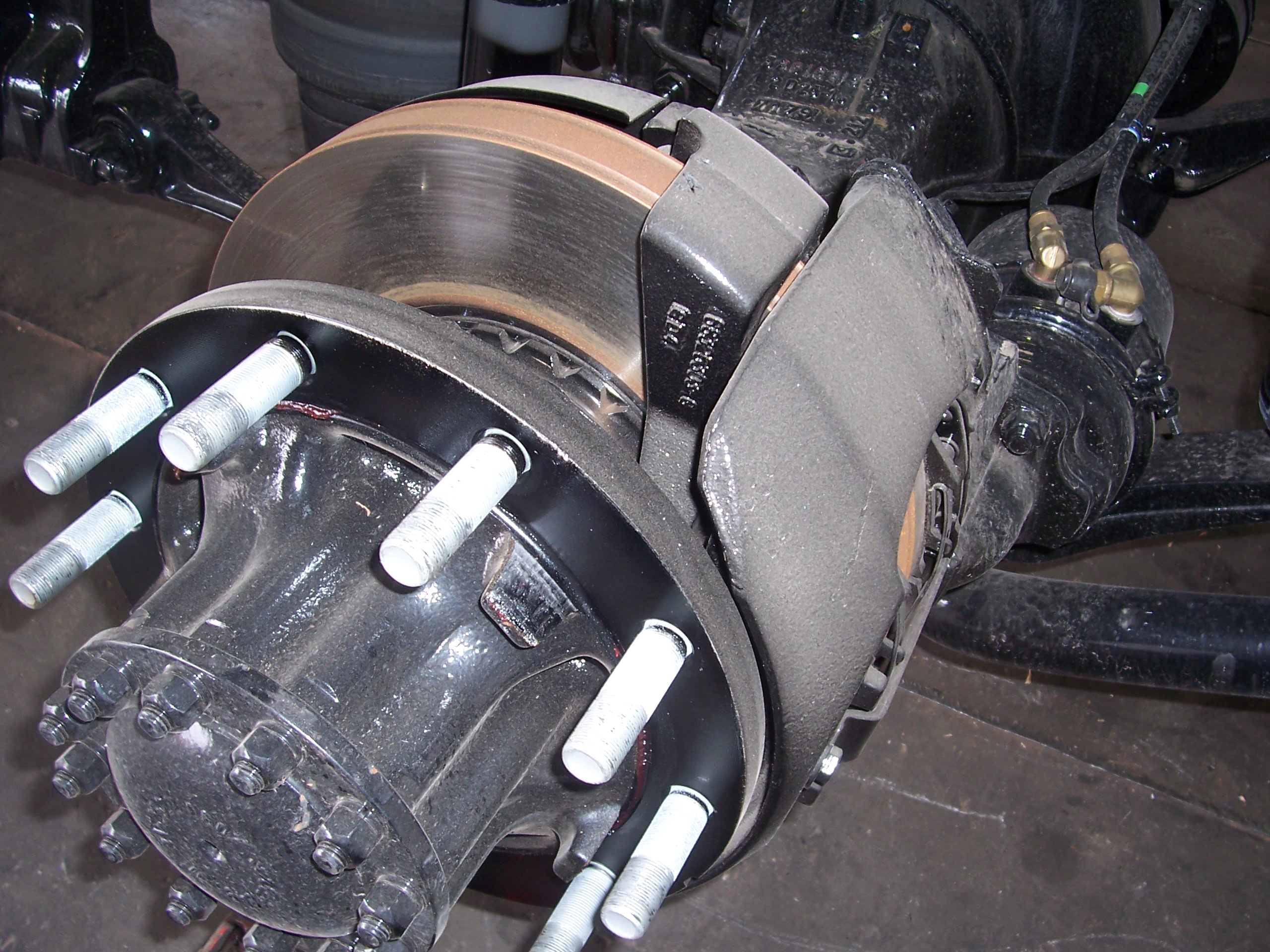
For a hydraulic coach, ask for pad and rotor thickness measured with a micrometer against the minimum stamped on the part or in the service data. Look for cracks and hard spots on the rotor face. Hard spots often return after machining; replacement in pairs on an axle is the cleaner fix when the surface has been cooked. A sticking caliper that will not retract keeps one corner hot even on flat roads and will recreate the same pull on the next downhill. Fluid that has boiled or that tests high for water content belongs in a flush, not in another mountain pass. Glazed pads that lost bite on the grade may need replacement even if thickness remains above the discard line.
For an air-brake coach, the shop checks lining condition, drum condition, air leaks, and whether the parking-spring side of the foundation brake is intact. Slack and chamber work belong to trained hands with the right tools; this article is not a procedure for opening an air system or adjusting slack adjusters. The driver’s job after a scare on a grade is to get the coach inspected, not to invent a roadside air-brake tune-up. Report the grade length, the smell or smoke, and whether an exhaust brake was available and used—that context shortens the diagnosis.
Why weight and continuous pedal use stack the heat
Kinetic energy scales with mass at a given speed, so weight multiplies the heat the brakes must absorb for the same downhill pace. Riding the pedal removes the only cooling the rotors or drums get between applications: time with the friction surfaces free and air moving across them. Several hard stops—or one long continuous application—on a hydraulic disc coach can push rotors into the roughly 600–800°F range where steel can glow. That temperature band is for hydraulic disc rotors under severe use; do not treat it as an air-brake drum temperature. On air drums, the failure mode to respect is fade from heat and expansion away from the shoes, managed by gear, exhaust brake or retarder if fitted, and short service-brake applications. The common thread across both systems is the same decision: intermittent braking with driveline help, not a locked foot for miles.
The mistake that makes a soft pedal worse
Holding the pedal down the whole grade after it has already started to soften is the one action that makes this worse. Softness or rising effort means the friction surfaces, or the fluid on a hydraulic coach, are already past a normal working temperature. More continuous pressure adds more heat with no cooling interval. Leave the grade at the next safe pullout, cool in free air, and treat a soft pedal as the end of that descent—not as a cue to push harder until the valley floor.
Read next: Towing a trailer, and Downhill driving, riding the pedal, and a soft pedal.

.jpg)
