Care is different on a bike, motorcycle, car, and truck
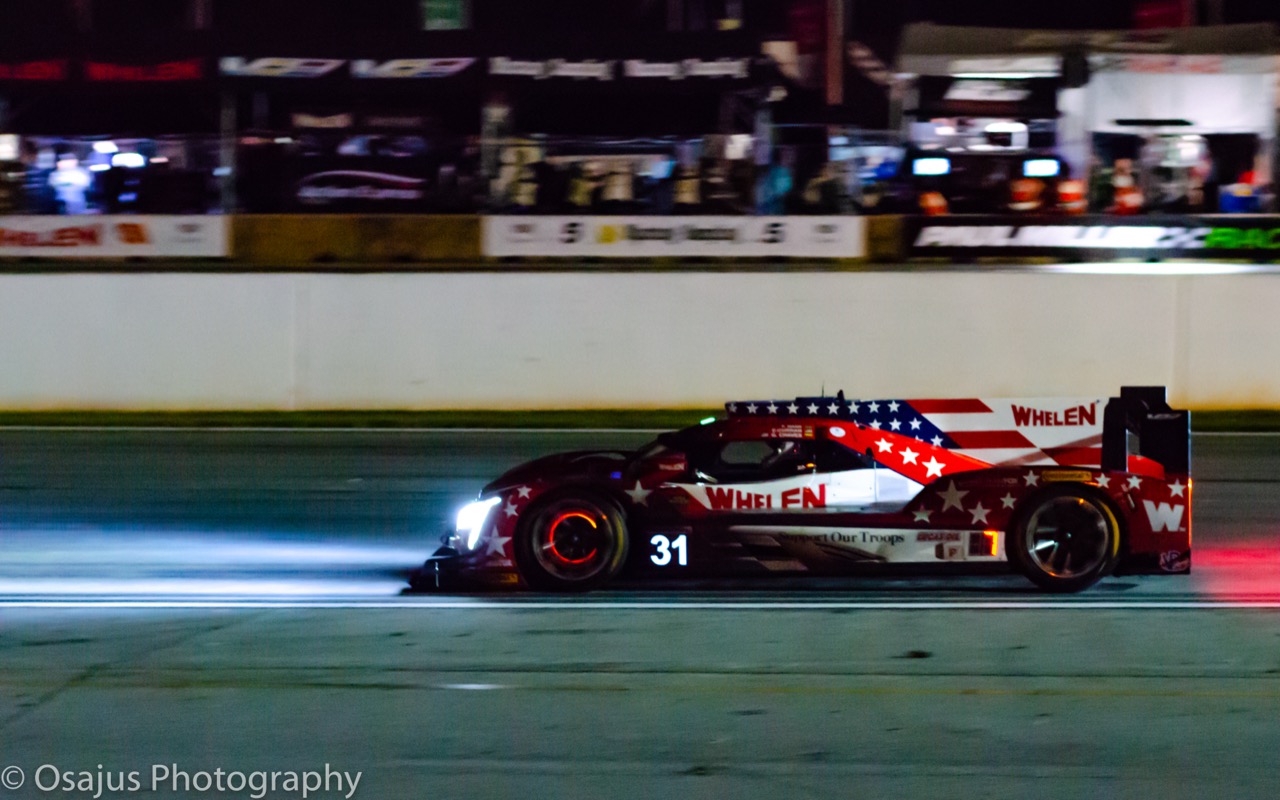
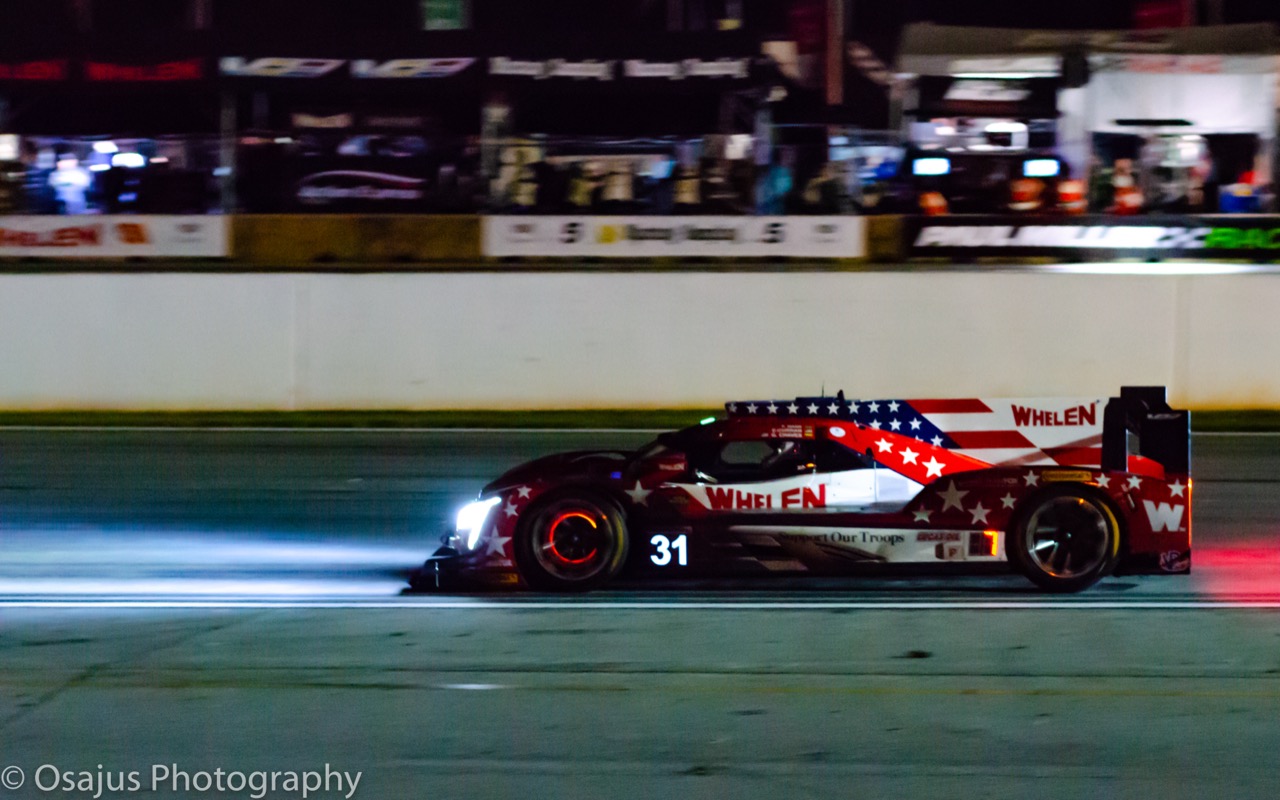
Brake care is not the same part list on every machine. Heat, a hot-lining smell, smoke, a soft lever or pedal, or a pull to one side is a reason to stop on a bicycle, a motorcycle, a car, or a heavy truck. Glow is not proof a stop was done correctly; it only means the friction surface got hot enough to show color.
Friction turns speed into heat at different parts
Every stop turns motion into heat through friction. The parts that do that work change with size. A bicycle uses pads against a small disc or against the rim. A motorcycle puts most of a hard stop on the front disc and the lever that feeds the caliper. A car, SUV, pickup, or van uses pads, rotors, calipers, and hydraulic fluid. A heavy truck uses shoes or air discs, drums, air chambers, compressed air for the service brake, and springs that apply the parking brake if that air is lost. The rider or driver feels the result of those parts as lever travel, pedal height, treadle travel, smell, or a pull—not as a shared temperature target that works for every vehicle.
How size changes the heat and the check that matters
Size changes how much heat a stop dumps into metal and which check actually prevents a long fade. Copying a car temperature or a car lug-nut rule onto a bike or a truck is the wrong map. The decision after each subsection below is the same shape: match the check to the machine you are riding or driving.
Bicycle: pad compound and rotor size
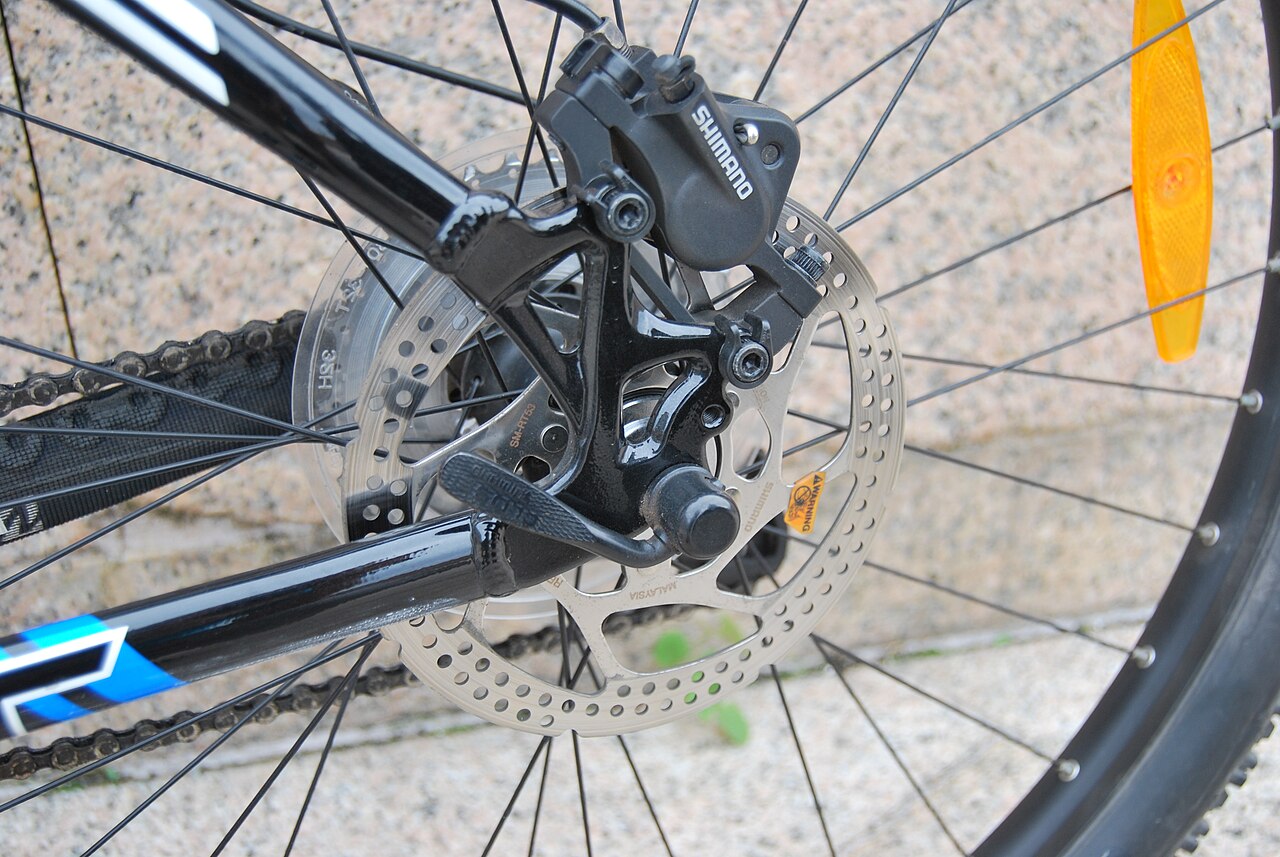
Bicycles split between rim brakes and discs. Rim pads rub the wheel; disc pads clamp a thin rotor. Resin or organic pads grab quietly when cool and fade earlier when hot. Metal or sintered pads tolerate more heat and wear the rotor faster. A common light-bike disc is about 160 mm across. Heavier e-bikes often use 180 mm or 203 mm rotors because more mass and speed push more heat into a small area. A heavier e-bike fades sooner than a light bicycle on the same long descent. The check that matters is pad compound and rotor size for that bike’s weight and hills, not a car rotor temperature. If a long hill leaves a soft lever or a rotor that rubs after a sudden cool, stop and cool in the air before you treat it as a normal finish. For fade on grades, see Why Bicycle and E-Bike Brakes Fade on a Long Hill.
Motorcycle: front-disc heat and a soft lever
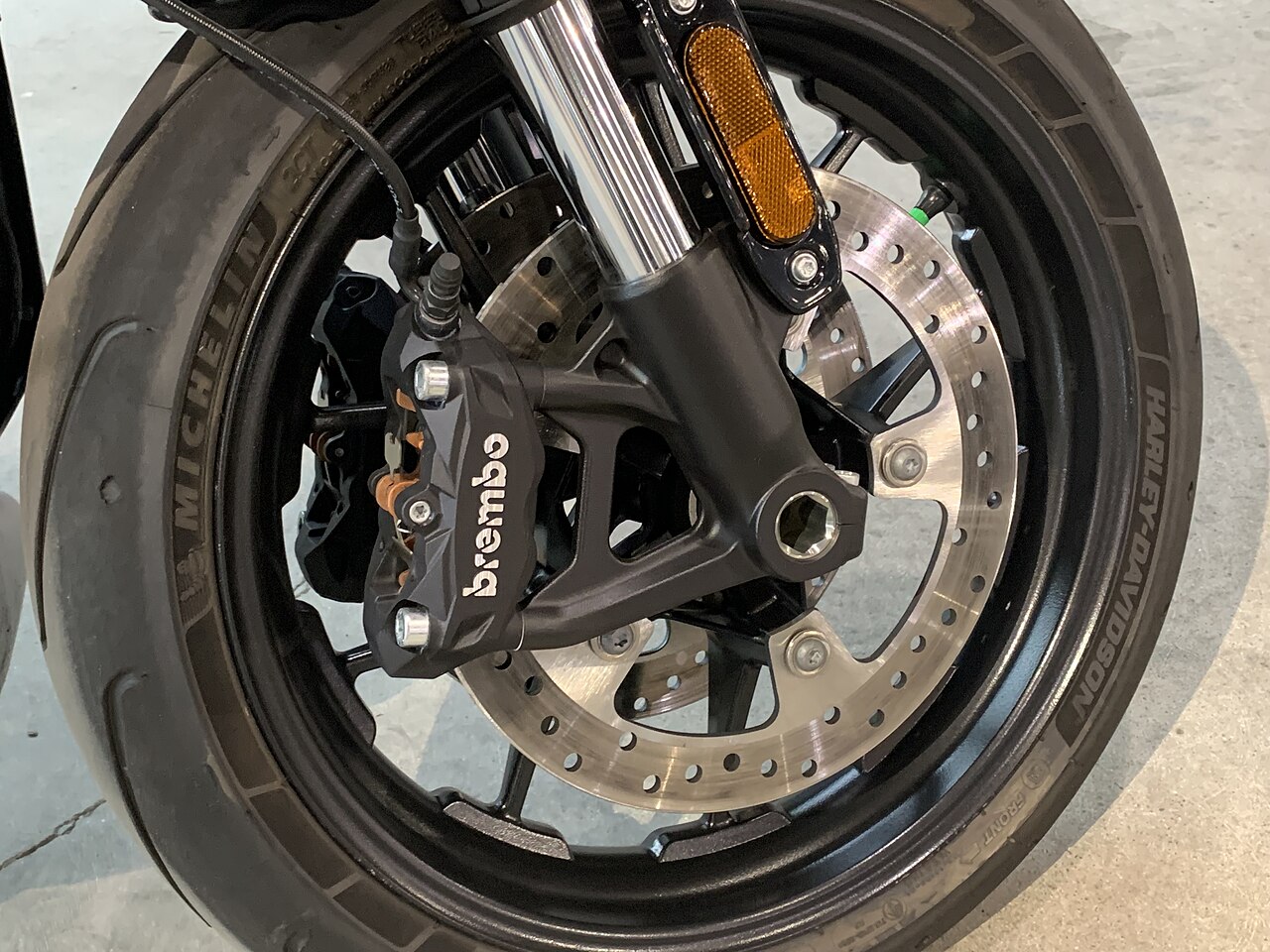
Most of a hard motorcycle stop lives at the front disc, commonly about 300–320 mm across—roughly twice a light-bike rotor. That front disc can glow after a hard stop or when a caliper drags and never fully releases. A soft lever after hard use can mean boiled fluid: vapor in the line turns a firm pull into a mushy one. Do not apply car figures of about 150–250°F for a normal stop or 600–800°F for several hard stops to the motorcycle disc; those numbers describe hydraulic car rotors, not a bike lever and front disc. The check that matters is front-disc condition and whether the lever stays firm after heat. If the lever goes soft or the bike pulls, the trip ends at the roadside, not at the next exit. For that front-disc and soft-lever pattern, see Motorcycle Brakes: Front Disc Glow and a Soft Lever.
Car: fluid fade, pad fade, and dry lug-nut torque
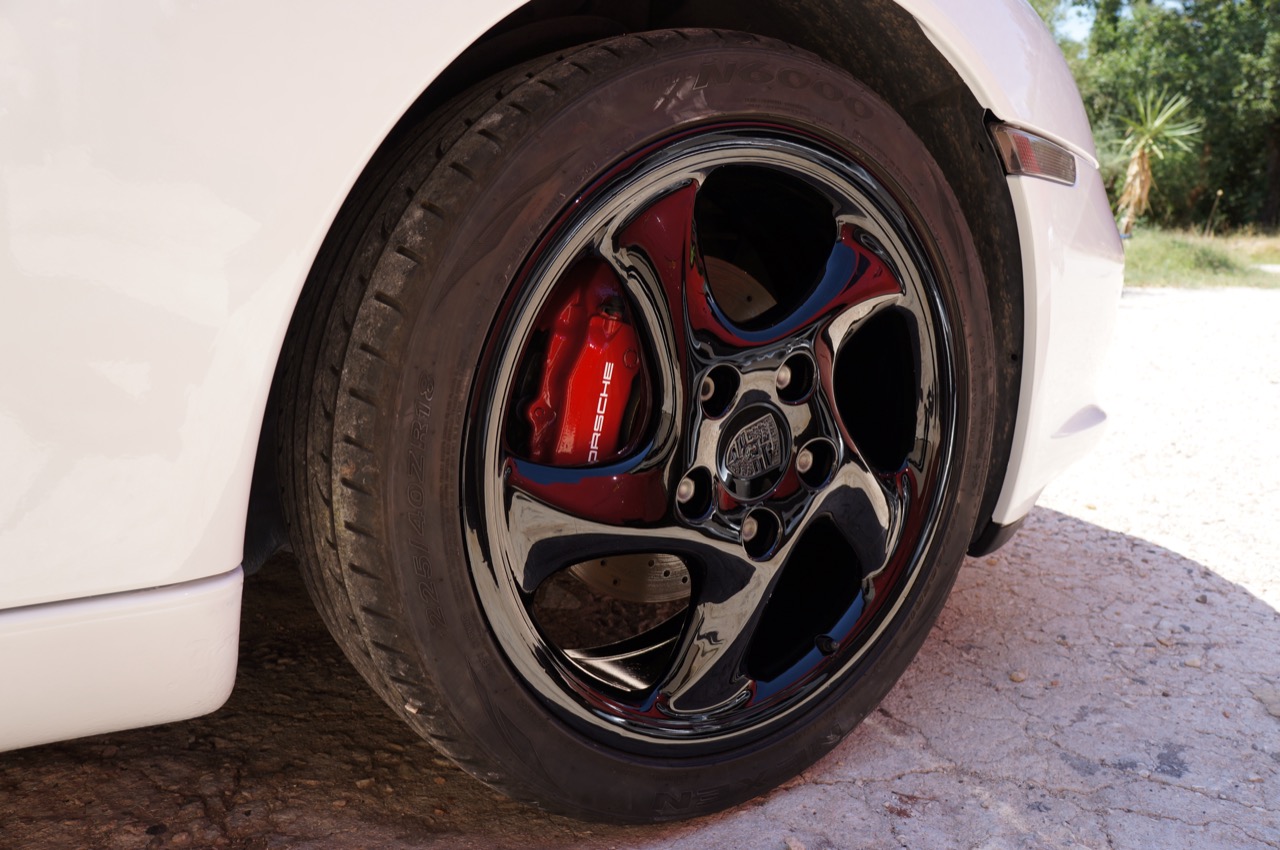
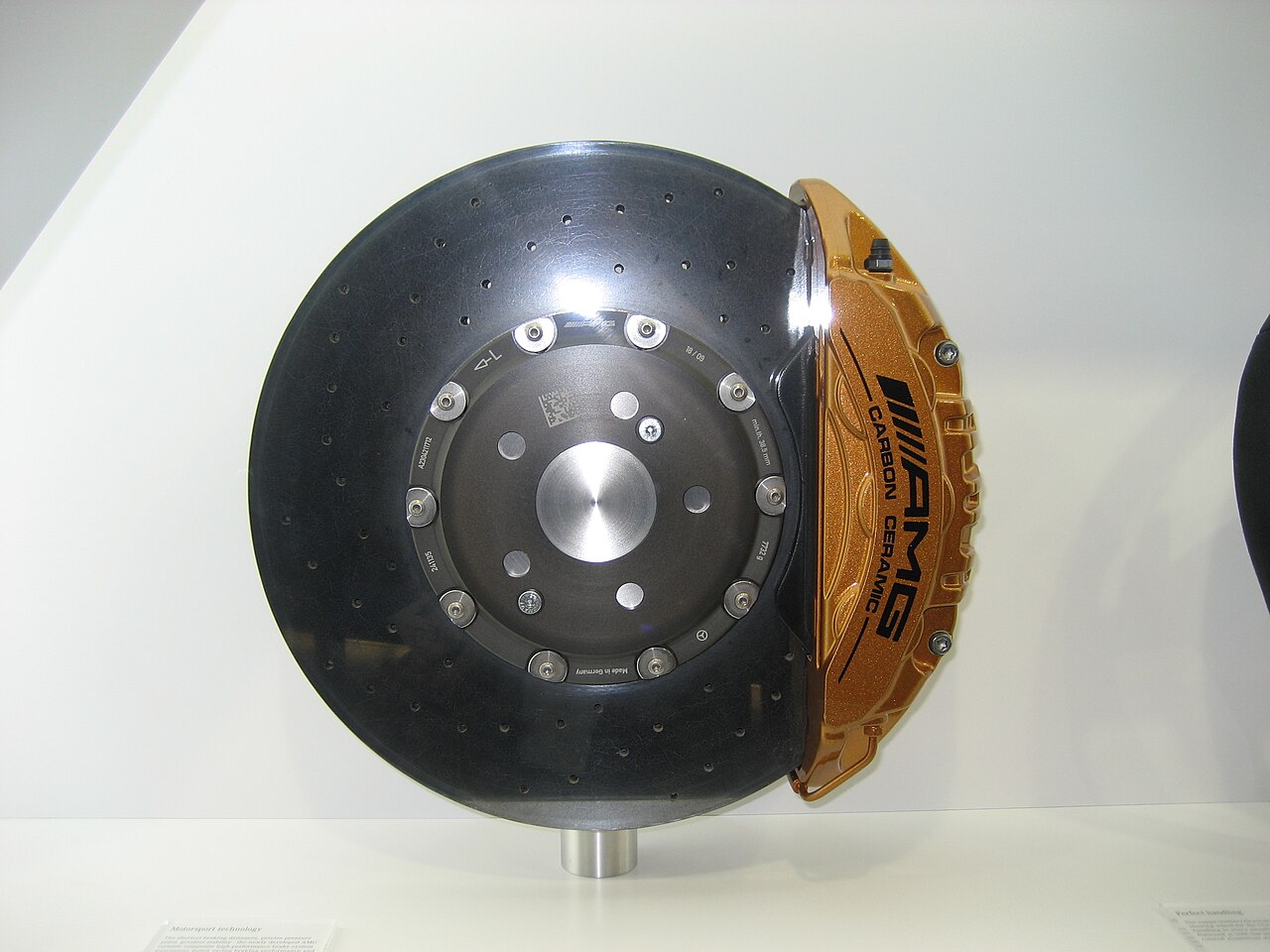
Cars, SUVs, pickups, and vans with hydraulic discs rely on sealed fluid that absorbs water over time. Water lowers the boiling point, so heat that once left a firm pedal can leave a sinking one. A normal stop from 60 mph can raise front rotors about 150–250°F. Several hard stops can reach about 600–800°F, where iron can glow and the brakes can fade. A firm pedal with a longer stop is pad fade. A sinking pedal is fluid fade. Those feelings point to different next steps: cool-down versus ending the trip. Lug nuts are tightened dry, in a star pattern, with a torque wrench. Oil, grease, and anti-seize on the studs raise the chance of a distorted rotor. The mechanic uses the torque specification for that vehicle—this article does not invent a foot-pound number or walk through a wheel install. The check that matters is fluid condition, fade type, and dry, correctly torqued wheels.
Heavy truck: gear or retarder use and air-brake inspection
On a heavy truck, compressed air applies the service brake. Springs apply the parking brake if that air is lost. Many trucks still use large drums with shoes; heat expands the drum away from the shoes, so the same air pressure buys less stop. Newer units may use air discs at the wheels, but the control medium is still compressed air, not a car’s fluid column. Do not quote car-rotor temperatures as truck-drum temperatures. The check that matters is using a low gear and an engine brake or retarder so the pedal is only short applications, plus an air-brake inspection for leaks and chamber stroke. A truck that rides the pedal down the grade overheats the foundation brakes. Bus inspections exist because a full bus is heavy and stops are frequent; this article does not invent a local law or an inspection interval. How air brakes differ from a car’s fluid column is covered in Air Brakes on a Heavy Truck, and How They Differ from Car Brakes.
What a rider or driver can check without tools
Smell of hot lining after a hard hill usually means the pads or shoes have been working hard. Light smoke that clears after you stop and release can be heat leaving the friction surface. Continuous smoke is a stop-the-trip cue on every size.
On a bicycle or motorcycle, a soft lever after heat often means air in the line or boiled fluid. On a car, a firm pedal with a longer stop points to pad fade; a pedal that sinks under steady pressure points to fluid fade or a leak. On a heavy truck, the treadle can still feel ordinary while the stop runs long, because a swollen drum or a long chamber stroke is not the same soft column as boiled car fluid. A pull to one side means uneven braking—sticking caliper, uneven pad or shoe wear, or a chamber that is not applying. A blue tint on a motorcycle or car rotor is a heat mark from past hard use. One wheel much hotter than the others after a short cool-down suggests that corner is dragging or doing more than its share. Bicycle rotors are thin; a warped feel or a scrape after a sudden cool is a bike-scale clue, not a truck-drum temperature story. Decide by the control you have: soft lever or sinking pedal ends the trip; firm control with a longer stop asks for cool-down and a second low-speed check before you trust the next hill.
Roadside: stop, cool in air, decide whether to continue
Signal early and leave the lane for a turnout, shoulder, or parking area clear of traffic. Stop safely. If the vehicle will sit without rolling, release the service brakes so pads or shoes are not clamped hard on hot metal for the whole cool-down. Cool in the air. Do not pour water on a hot rotor or drum; a sudden cool can crack iron and can bend a thin bike rotor. Continue only if, after that cool-down, a low-speed test stop feels as short and as straight as a normal one and any smoke has stopped. If the pedal or lever is soft, the vehicle pulls, or smoke continues, the trip ends there. Call for a tow or a mechanic rather than hoping the next grade will be gentler. On a truck, a low-air warning or a treadle that travels farther than it did at the start of the shift is the same kind of trip-ending cue as a soft car pedal.
What a mechanic checks, by vehicle size
On a bicycle the shop looks at pad compound and thickness and at rotor size, wear, and warp. On a motorcycle the front disc gets the hard look—thickness, heat marks, and whether a caliper is dragging—along with fluid condition behind the lever. On a car the mechanic measures pad thickness and rotor thickness with a micrometer, replaces hard-spotted rotors in pairs (hard spots often return after machining), checks for boiled or contaminated fluid, and confirms lug nuts were installed dry to the vehicle’s torque specification. Lateral runout on many car discs is about 0.002–0.003 inch; some cars are about 0.0015 inch. That runout figure is a car-disc fact only. On a heavy truck the check is shoe or pad lining, drum or rotor condition, air leaks, and chamber stroke—not a copied car-rotor temperature and not slack-adjuster adjustment steps in this article. This pass does not open a hydraulic system or walk through air-brake adjustments; those are secured shop jobs.
Why a light car from 60 mph can out-heat a heavy vehicle from 20 mph
Speed matters more than people expect. Braking energy rises with the square of speed, so a light car from 60 mph can make more braking heat than a heavy vehicle from 20 mph. That is why a small car can still glow after repeated highway stops while a heavy truck’s main problem on a long grade is duration: heat poured into the foundation brakes for minutes because the pedal stayed down. The 60 mph versus 20 mph comparison is a car-versus-heavy energy point. It does not assign the car’s 600–800°F hard-stop band to a truck drum. The decision that follows is simple: respect speed on the car, and respect time-on-pedal and grade control on the truck.
The harmful mistake: using the care rule from the wrong size
The mistake that makes overheating worse is borrowing care from the wrong machine. Car lug-nut or fluid advice does not set bicycle pad compound or rotor size. Car rotor temperatures and a water quench do not belong on a truck drum. Riding the truck pedal because that is how a driver holds a car on a short hill clamps the foundation brakes for the whole grade. Match the check to the size: compound and rotor on a bike, front-disc heat and lever feel on a motorcycle, fluid and dry torque on a car, gear or retarder use plus air inspection on a truck—and treat glow as heat, not as proof the stop was done correctly.
Read next: Why Bicycle and E-Bike Brakes Fade on a Long Hill · Air Brakes on a Heavy Truck, and How They Differ from Car Brakes