After brakes overheat, the car or truck should be checked before the next hard stop. Smell, smoke, a soft pedal, a pull to one side, or a longer stop than usual is a reason to stop driving hard—not a normal result of a warm brake. Treat those signals as a decision point: cool the vehicle, then get the friction parts and the hydraulic or air system inspected before you stack another panic stop on damaged hardware.
Friction turns motion into heat on cars and air-brake trucks
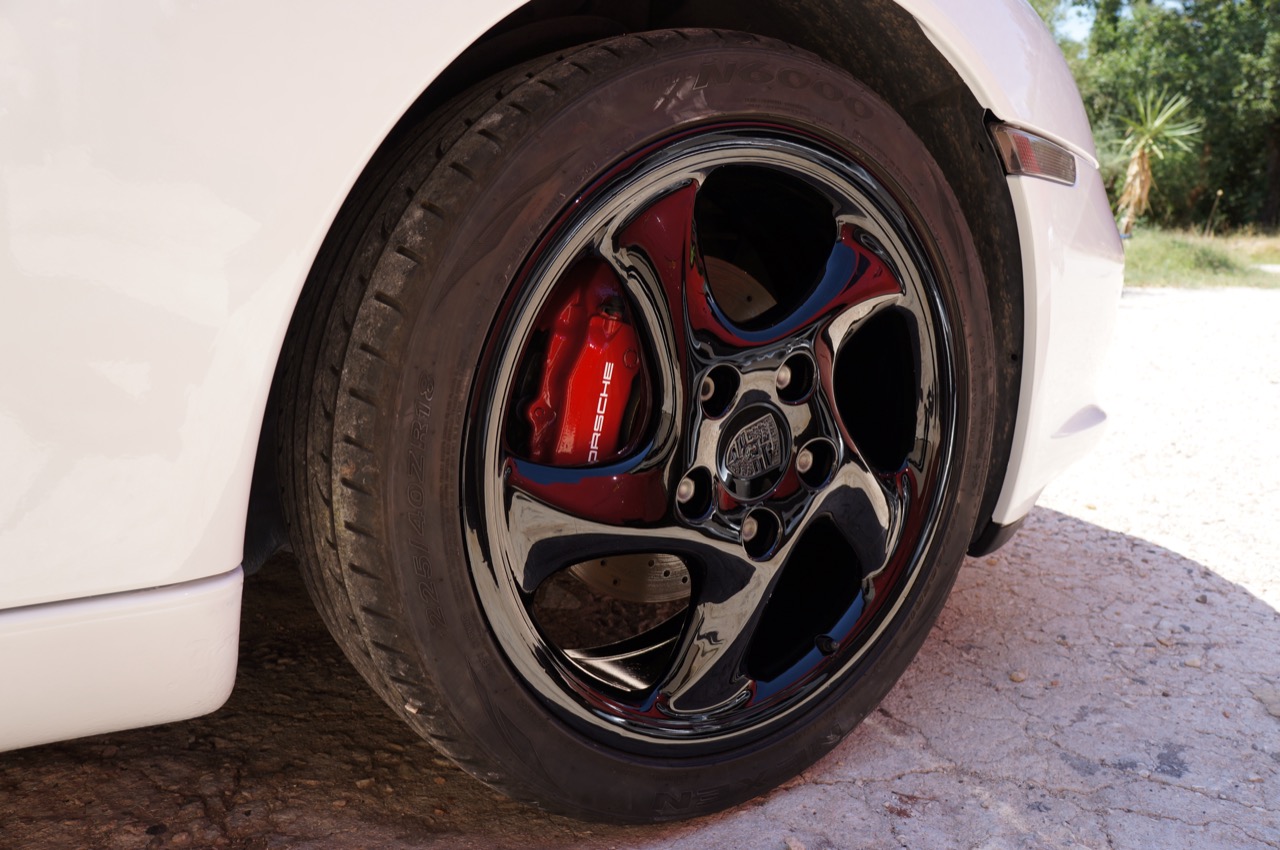
Every stop converts kinetic energy into heat at a friction pair. On a passenger car, motorcycle, or light truck with hydraulic discs, the caliper clamps pads against a rotating iron rotor. Pedal force travels through brake fluid in the lines and caliper pistons. That fluid is meant to stay liquid; vapor from a boil compresses and the pedal sinks.
On a heavy truck or bus with air brakes, compressed air fills chambers that push rods and apply shoes inside drums—or pads on air discs, depending on the axle. The driver modulates air with the treadle; the system does not use a hydraulic pedal circuit like a car. If air pressure is lost, spring chambers apply the parking or emergency brakes so the vehicle does not roll free. Drum brakes also behave differently under heat: as a drum expands outward, the shoes can lose contact area and fade, even before anyone sees glowing iron. Car-rotor temperature bands do not transfer to truck drums; the materials, mass, and cooling paths are different, so treat hydraulic-disc numbers and air-drum service as separate facts.
How vehicle size changes what gets checked
Size and duty cycle change both how fast heat builds and what a shop measures. On a bicycle, a disc is often about 160 mm on a light bike, or 180 mm or 203 mm on many heavier e-bikes. A heavier e-bike stores more energy at the same speed, so the same hill climb fades sooner. A bike shop looks at pad thickness and whether the rotor is true; it does not apply a passenger-car micrometer discard chart to that thin disc.
At the other end, a loaded truck or a full bus carries far more mass and makes frequent stops. Buses are inspected on a regular schedule because the vehicle is heavy and stop density is high—the inspection exists for that reason. This article does not invent a local law or a fixed calendar interval; the point for an owner or passenger is that heavy passenger service expects formal brake checks, not casual “it still stops” judgment.
Between those extremes, a heavy SUV or pickup at the same road speed dumps more energy into the front axle than a small hatchback. That is why SUV and light-truck rotors are larger: more iron and friction area to absorb and shed heat. After an overheat event, the checklist still centers on pads or shoes, iron thickness, cracks, hard spots, and whether one corner is dragging—but the discard limits and air-stroke rules come from that vehicle’s data, not from a bicycle or a city bus rulebook mixed together.
What the driver can check before the shop
Several cues tell you the stop is no longer a normal warm-brake stop:
- Smell: a sharp hot-friction odor after hard use often tracks with pads or shoes that have been pushed hard; a burnt smell that lingers after you park is a stop-and-inspect cue.
- Smoke: light smoke near a wheel after repeated stops means heat is still dumping into the air; smoke that continues after you release the pedal points toward drag.
- Soft pedal: on a hydraulic vehicle, a pedal that sinks under steady pressure is fluid fade or a hydraulic problem—not a reason to push harder.
- Pull: steering toward one side under braking often means one corner is hotter, grabbing, or dragging.
- Blue rotor after cool-down: a bluish tint on a car disc face is a common after-effect of severe overheating and hard-spot formation.
- One wheel hotter than the others: comparing radiant heat from a short distance (not by grabbing the iron) can reveal a caliper or shoe that stayed applied.
A firm pedal with a longer stop is usually pad fade: friction grip has fallen while the hydraulic circuit still feels solid. A pedal that sinks is fluid fade: vapor or soft hydraulics. On a truck, the treadle can feel ordinary while the stop is already long—air pressure at the pedal does not always telegraph drum fade or long stroke the way a sinking car pedal does. Any of these after overheating is enough to end hard driving for the day.
Roadside: cool in air, then decide whether to continue
Stop in a safe place away from traffic. Release the service brakes so pads or shoes are not held hard against hot iron. Let air move across the wheels. Do not pour water on hot rotors or drums; a sudden surface quench can crack cast iron while the core is still far hotter. Continue only if, after a cool-down period, braking feels normal—firm, straight, and without ongoing smoke. If the pedal is soft, the vehicle pulls, or smoke continues after the brakes are released, the trip ends there. Arrange a tow or a clearly safer short crawl to a shop; another hard stop “to test” overloaded brakes is how heat damage becomes a crack or a boil.
What a mechanic checks after overheating
This is the main decision list—what a shop looks at after heat damage, in plain language, not as a repair procedure.
Remaining pad or shoe thickness. Friction material that is glazed, tapered, or near the backing plate cannot be trusted for the next highway stop. On cars and light trucks the mechanic measures pad thickness; on drum axles the shoe lining gets the same kind of remaining-life check. Thin or heat-damaged friction is a replace decision, not a polish-and-hope decision.
Rotor or drum thickness with a micrometer. Iron wears with every stop. A micrometer reading is compared with the discard limit stamped on the rotor hat or listed in the service data for that drum. Below the limit, the part is scrap even if it still “looks thick enough.” On car discs, lateral runout is often about 0.002–0.003 inch; some cars allow only about 0.0015 inch. Those runout numbers are for passenger-car and light-vehicle discs only—do not apply them to drums, bicycle rotors, or air-brake hardware.
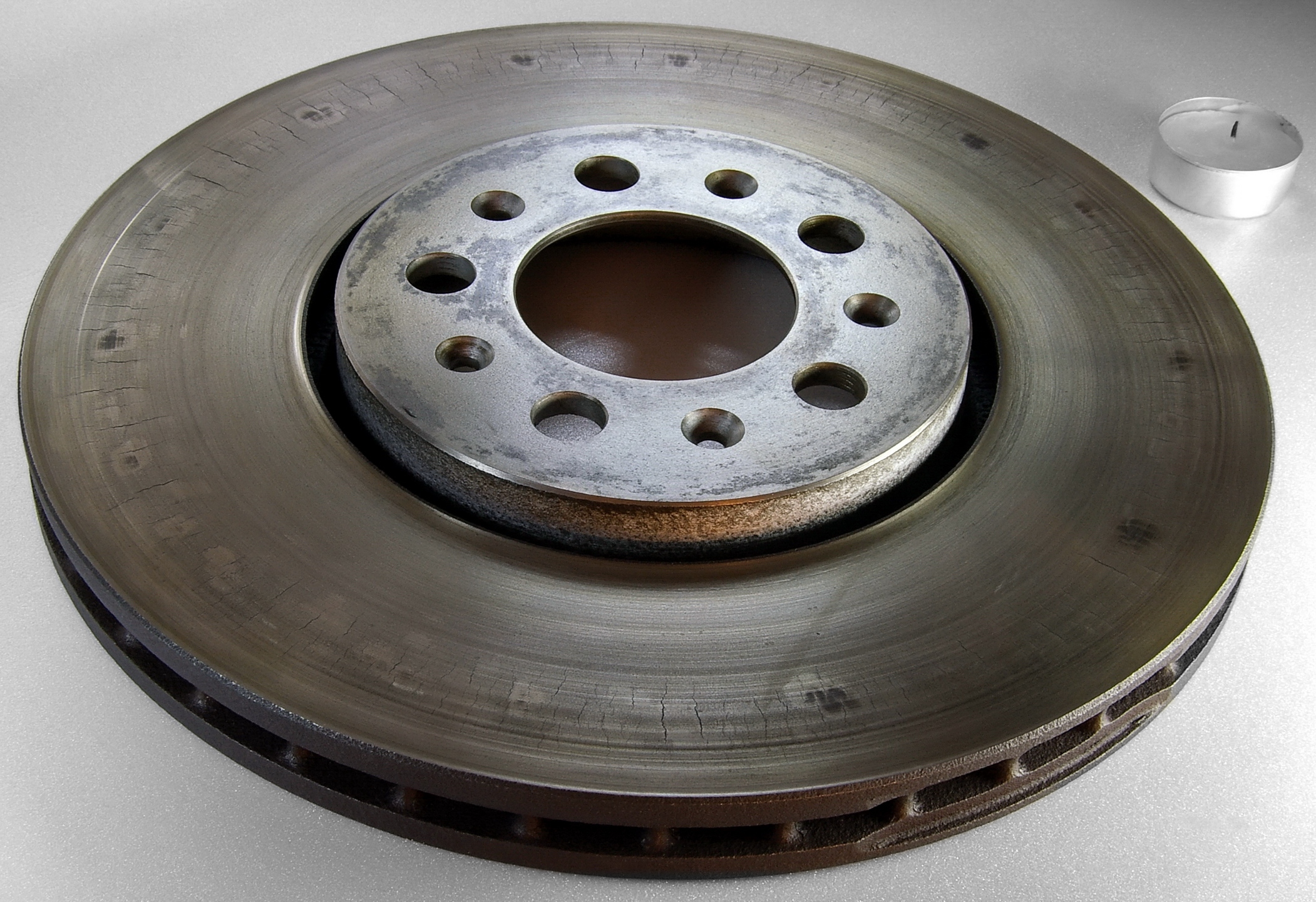
Cracks. Radial cracks from the edge, deep scoring, or fractures through a vented rotor are replace-now findings. A cracked drum is the same story. Heat cycling opens flaws that cool-down alone will not close.
Hard spots. Localized hardened patches on a disc face often show up as judder or a blue blotch after severe heat. Machining can clean the surface for a short time, but hard spots frequently return because the metallurgy in that patch differs from the surrounding iron. Car rotors with hard spots are therefore replaced in pairs on the axle that overheated—not just cut and bolted back on.
A sticking caliper. A piston or slide pin that does not retract keeps one wheel hot after the pedal is released. That single hot corner recreates fade and can cook the pad and rotor again on the next trip. The mechanic checks free movement and even application across the axle.
Brake fluid that has boiled or absorbed water. On a hydraulic car, motorcycle, or hydraulic bike, fluid that has been driven near boil—or that has taken on moisture over time—loses its margin before vapor forms. Dark, burnt-smelling fluid after an overheat event is a shop finding, not a roadside DIY open-and-bleed project. Opening and bleeding the system belongs in a shop with the right procedure; this article does not walk those steps.
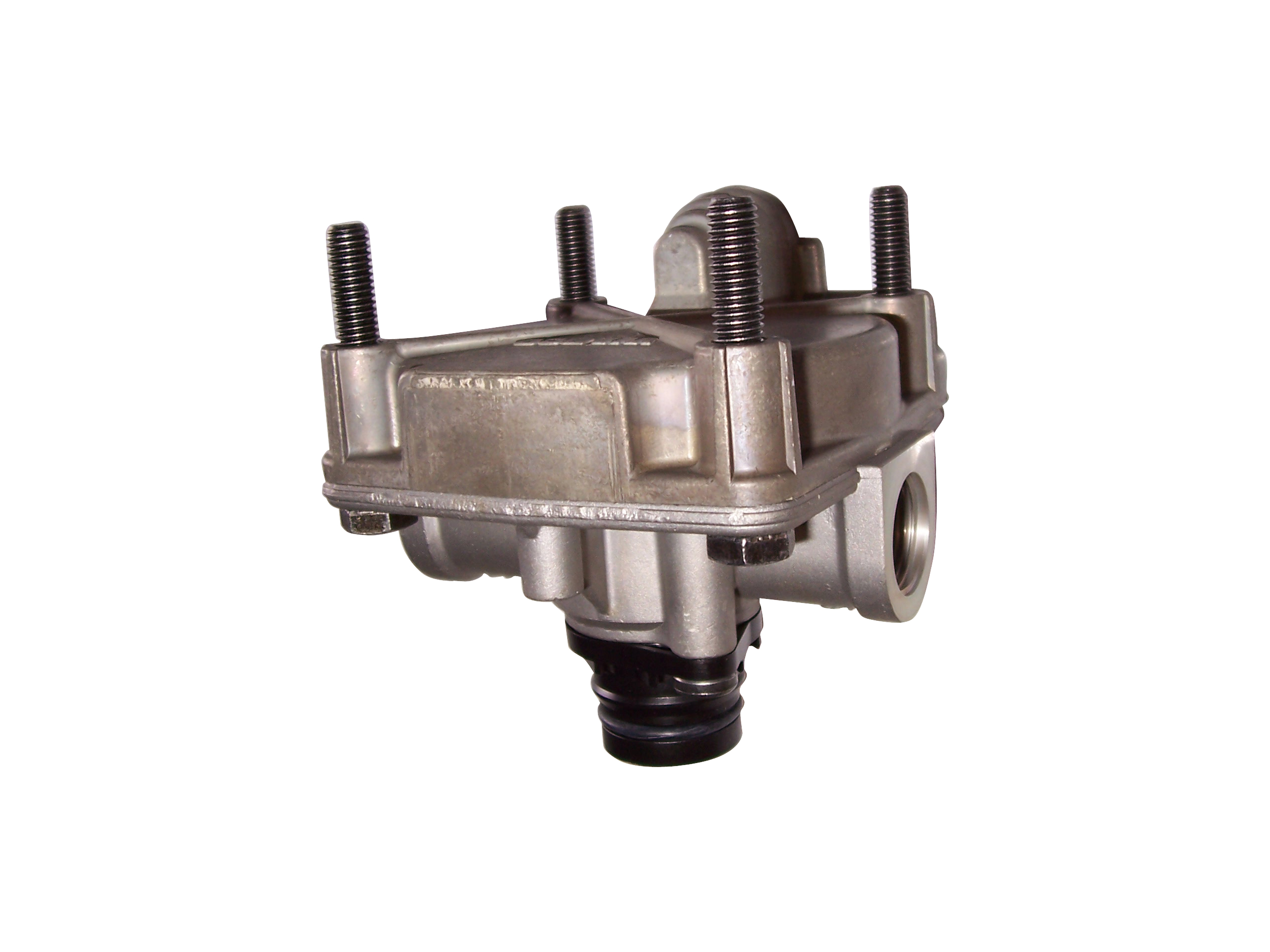
On a truck or bus: air leaks and pushrod stroke. After hard service, the inspection looks for audible or soapy-water evidence of air leaks at chambers, valves, and fittings—lost air means longer fill times and weaker application. Pushrod stroke is measured from the chamber: how far the rod travels when the brakes apply, compared with the maximum allowed for that chamber size. Stroke past the limit means the shoes or pads are not being applied with the intended geometry; adjustment belongs to a qualified technician and is not covered here as a slack-adjuster how-to. The owner’s takeaway is the measurement exists and a long stroke after heat and wear is a fail, not a “drive until next week” note.
Hard spots return after machining—replace the pair
The one fact that most often separates a lasting repair from a comeback is hard-spot behavior. A skim cut can make the disc look smooth. Under the next string of hard stops, the hardened islands reappear, judder returns, and the rotor is back in the lathe or, worse, still on the car. Replacing both rotors on that axle—paired with fresh pads—removes the uneven metallurgy instead of chasing it with another cut.
Temperature context helps an owner judge how far the event went, but only for hydraulic discs on cars, SUVs, pickups, vans, and light trucks: a normal stop from 60 mph typically raises front rotors about 150–250°F. Several hard stops in a row can reach about 600–800°F, where iron can dull-red glow. Those numbers are not truck-drum temperatures and not bicycle-disc temperatures. Glow or blue tint after that kind of car heat is why the hard-spot and crack checks matter before the next highway stop.
The harmful mistake: machining heat-spotted rotors and sending the car out
The featured mistake after overheating is machining a heat-spotted rotor and returning the car to service as if the problem were only surface roughness. Hard spots come back. The lasting decision is to replace the pair. A short related warning: do not pour water on hot iron to “cool it faster”—thermal shock can crack the disc or drum. Soft-pedal driving after fluid fade is the third way people turn a recoverable event into a failed stop; park instead. The machining shortcut is the one that most often looks like a completed repair while the metallurgy problem is still on the hub.
Bottom line: after overheating, smell, smoke, soft pedal, pull, or a long stop means inspect before the next hard brake. A mechanic measures pads or shoes, micrometer thickness against discard, cracks, hard spots (replace car rotors in pairs), sticking calipers, hydraulic fluid condition, and—on trucks and buses—air leaks and chamber stroke. Cool in air; do not quench with water; do not treat a lathe cut as a cure for hard spots.
Read next: Why You Should Not Pour Water on a Hot Rotor, and What to Do When Brakes Overheat.

_FloSch.jpg)
