Riding the brake pedal down a grade is a reason to change what you are doing. A firm pedal that needs more travel to stop is pad fade. A pedal that sinks toward the floor is fluid fade, and the driver must pull over. A normal single stop from 60 mph only warms front rotors about 150–250°F and does not cause either of those problems.
When a long downhill turns a normal pedal into a warning
On a flat road, one hard stop from highway speed dumps a pulse of heat into the front discs and then the iron gets a chance to breathe. Measured front-rotor rises for that kind of stop commonly land in the 150–250°F band above ambient—hot enough to feel, not enough to melt the job of the brake. A mountain grade is different because the car keeps wanting to gain speed. If the foot stays on the pedal for minutes, the pads never leave the rotor, air cannot sweep the disc faces, and friction keeps adding heat until the system stops behaving like it did at the top of the hill.
That is the decision rule for this article. If the pedal still feels solid but the car takes more distance to stop, treat it as pad fade and cool down before the next long stretch. If the pedal softens and sinks under a steady foot, treat it as fluid fade and end the descent at the next safe turnout. Do not wait for smoke to settle that question.
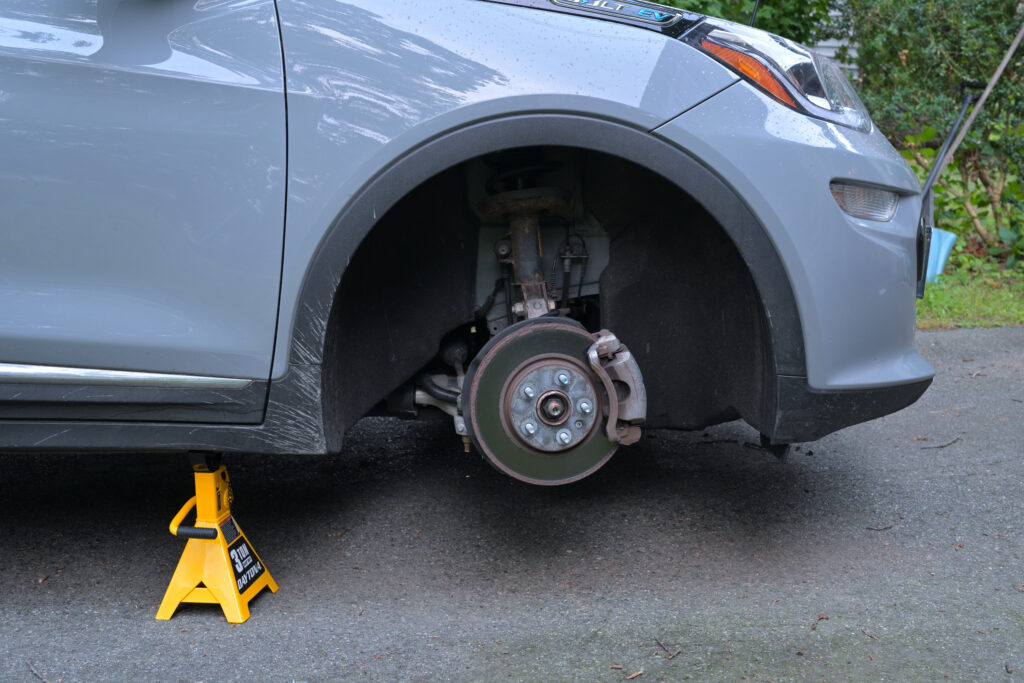
Pads left on the iron: why continuous heat builds
A hydraulic disc brake is a short chain. The foot presses the pedal, the master cylinder pushes brake fluid, the caliper pistons clamp the pads onto the rotor, and friction turns speed into heat in the iron. Most cars put the heavy work on vented front rotors—two discs with cooling fins between them—because a hard stop or a long downgrade loads the front axle first. The fluid itself is glycol-based and absorbs water over time; that water lowers the boiling point, which matters once the caliper and lines get hot.
Holding the pedal is continuous heat. The pad face stays against the rotor, so the boundary layer of cooler air that would otherwise scrub the disc never gets a clean run. Temperature climbs as long as the car is descending under that friction load. Short presses work the opposite way: the car slows, the pads lift, and the spinning vented rotor sheds heat for a few seconds before the next touch. A lower gear does some of the slowing with engine drag, so the pedal is used in bursts instead of as a cruise control for speed. That single habit change—gear for the grade, brakes for the corrections—is the practical difference between a firm pedal at the bottom and a soft one.
Two fade modes share the same cause (too much heat) and feel different underfoot. Pad fade keeps the pedal height roughly normal while stopping distance grows because the friction material has glazed or lost bite. Fluid fade drops the pedal toward the floor because vapor in the fluid compresses where liquid would not. The driver’s check is simple: firm but longer, or sinking. Sinking means pull over.
Motorcycle, SUV, and car: same physics, different heat budgets
A motorcycle is smaller. Its front disc and caliper are compact, and a dragged front lever on a long hill can heat that disc until it glows or the lever softens at the bar. Those parts are not sized like a car’s, so car lug-nut torque charts and rotor runout specs do not transfer; the useful comparison is only that continuous drag still traps heat against a small iron disc. For how fade feels on two wheels with rim or disc brakes on a long descent, see Why Bicycle and E-Bike Brakes Fade on a Long Hill—the hill logic is related even though the hardware is lighter.
A full-size SUV or pickup is heavier. The same grade stores more potential energy that must leave as heat when the vehicle is held to a constant speed. Larger rotors and thicker pads buy capacity, not immunity. If the driver rides the pedal the whole way down, those bigger discs still fade once the pads stay on and the fluid cooks. Mass helps only when the brakes get air between applications.
Speed matters as much as weight. Kinetic energy rises with the square of speed, so a light car scrubbed from 60 mph can dump more braking heat into the fronts than a heavy vehicle slowed from 20 mph. On a long grade, the continuous work of holding speed often exceeds any one emergency stop from town-road speeds. That is why a careful driver treats a multi-mile descent as a heat-management problem, not as a single “stomp and done” event.
What you can check from the driver’s seat and the curb
Before the hill finishes you, use senses that do not need a shop.
- Smell: a sharp hot-friction or burning odor after a long descent means the pads and rotors are well above a normal single-stop temperature.
- Smoke: visible smoke at a wheel is an immediate stop-and-cool signal, not a “finish the mile” cue.
- Pedal feel: firm but longer stop = pad fade; pedal that sinks = fluid fade and a roadside stop.
- Pull: the car yanking to one side under braking can mean uneven heat or a caliper that is not releasing on one corner.
- Touch after a cool wait: one wheel much hotter than the others points to a stuck caliper still dragging the pad.
- Color after cool-down: a rotor that shows blue tempering marks once cold has seen temperatures high enough to change the iron’s surface—plan on a mechanic’s inspection, not another long drag.
None of those checks require opening a bleeder. They answer one question: continue carefully with short brake taps and a lower gear, or end the trip.
Roadside cool-down: when to stay stopped
Pull over where traffic can see you—shoulder with sight distance, turnout, or wide bay—not around a blind curve. Shift to Park or hold with the parking brake once stopped, release the service pedal, and let the brakes cool in open air for several minutes. Do not keep pressure on the discs while you wait; the point is airflow across bare rotor faces.
Continue only if the pedal is firm and the car stops as it did at the top of the hill on a low-speed check in a safe space. If the pedal sinks, the car pulls, or smoke continues, the trip ends. Tow or wait for a much longer cool-down and a shop visit; another long grade with a soft pedal is how fade becomes a no-stop event.
For the rest of any hill you do resume, use short brake applications and a lower gear. A steady foot on the pedal is what put the heat in. Treat every long descent as a series of brief slows, not one continuous drag.
What a mechanic should measure after a fade event
Once the car is home or on a lift, the useful checks are wear and heat damage—not a roadside bleed.
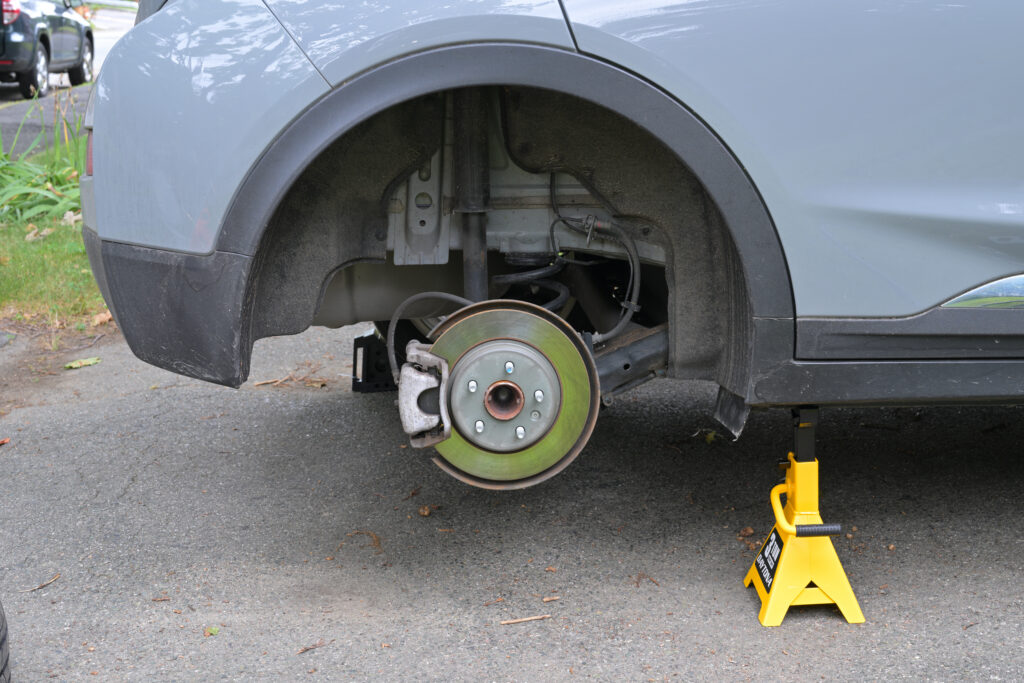
Pad faces may show glaze: a shiny, hardened surface that lowers friction until the material is replaced or properly refreshed. Rotors need a micrometer check for thickness against the discard minimum stamped on the hat; thin iron stores less heat and warps sooner. Look for cracks and for hard spots—dark or shiny blotches from local overheating. Hard spots often return after machining, so the durable fix is replace rotors in pairs on an axle, not a skim that looks good for a week. A sticking caliper (frozen slide pins or a seized piston) explains one wheel that smoked or ran hotter than the rest. Fluid that has boiled may look dark or leave a soft pedal even after cooling; that is a shop fluid service decision, not a curve-side experiment. This article does not walk through opening the hydraulic system or bleeding—those steps belong to a trained tech with the right catch bottle and torque process.
600–800°F: where rotors glow and fade gets real
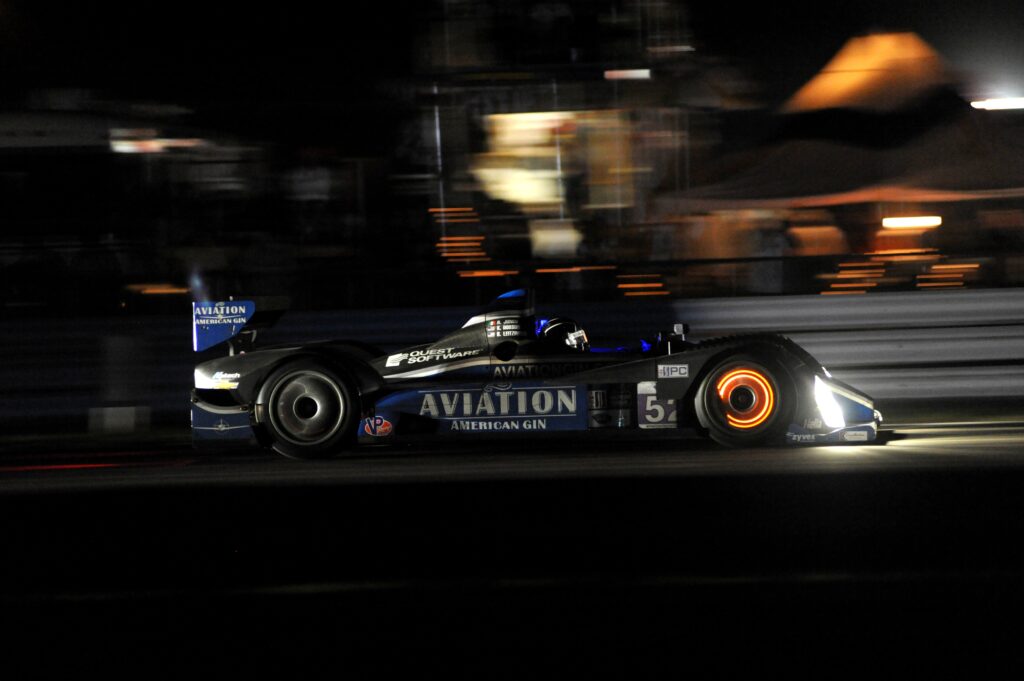
Several hard stops in a row, or one continuous ride of the pedal down a long grade, can push rotors into the 600–800°F range. At those temperatures the discs can glow, pad friction drops, and fluid that has taken on water is much closer to boiling. That is the regime people mean when they talk about what brake glow looks like on a car: the iron itself radiating visible color after repeated or constant friction work, not the mild warmth of one stop from 60 mph.
Vented front rotors shed heat faster than solid rears because air moves through the vanes while the wheel turns—but they cannot shed heat while the pads stay clamped on them. The vents only help between applications. Semi-metallic pads usually tolerate more heat than organic (resin) pads before they glaze or fade, which is why many trucks and performance cars specify them; organics bite well when cool and quiet, then give up earlier on a long descent. Compound choice is not a license to drag the pedal; it only widens the margin before fade.
The mistake that turns fade into a no-brake descent
The harmful habit to name clearly is keeping the foot on the pedal for the whole descent after the pedal has already started to sink. A sinking pedal is fluid in trouble. More pressure only makes more heat and more vapor. That is the moment to pull over, not to “muscle through” the last miles.
Do not pour water on a hot rotor. Sudden quench can crack the iron. Cooling belongs to time and air, not a bottle from the trunk. For the longer argument on that error, see why you should not pour water on a hot rotor when you want that topic alone; the one action this article features is simpler: stop riding the pedal down the grade.
Decision summary: use a lower gear, brake in short presses, watch for firm-but-longer versus sinking, cool for several minutes if either warning shows up, and end the trip if the pedal stays soft, the car pulls, or smoke keeps coming. A single stop from 60 mph that adds roughly 150–250°F to the fronts is ordinary. Continuous drag into the 600–800°F band is how ordinary brakes start to glow and fail the next stop.
Read next: What brake glow looks like on a car, and Why you should not pour water on a hot rotor.