If the brakes smell hot, smoke, pull the vehicle sideways, or lose bite on a bicycle, a car, or a truck, stop in a safe place and let them cool in the air. Overheating is a reason to interrupt the trip, not a cue to finish the hill with the same pressure. A glowing rotor or drum only shows that friction made a lot of heat; it does not prove the stop was handled safely.
What friction is doing to the brake
A brake slows a vehicle by rubbing. That rub turns motion into heat. The parts that touch are where the heat starts, and the metal around them is where the heat has to go until the air carries it away.
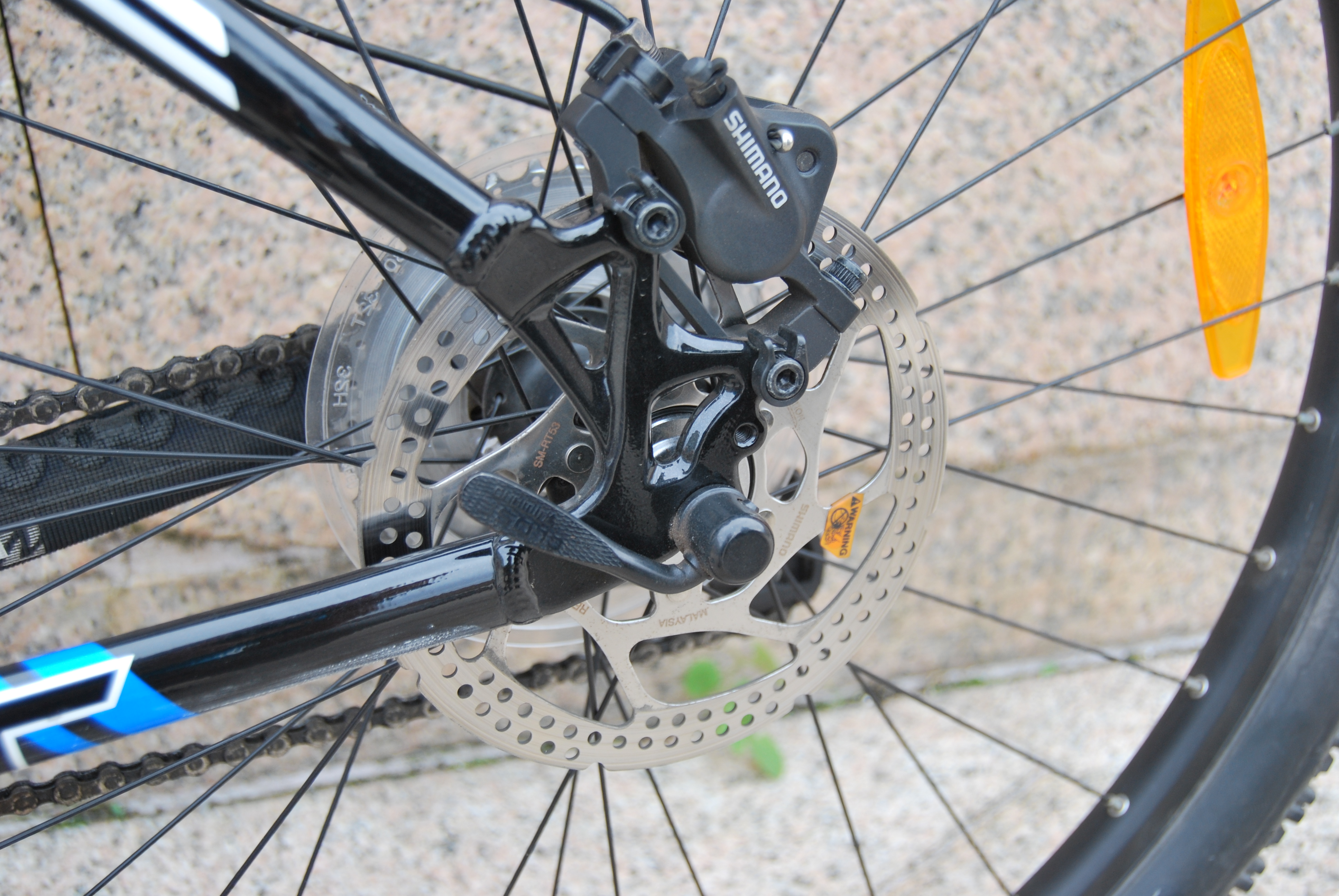
On a bicycle, rim brakes put pads against the rim. Disc brakes put pads against a steel rotor at the hub. Either way, the pad face and the metal it grips run hot when you drag the lever downhill or make a long series of stops.
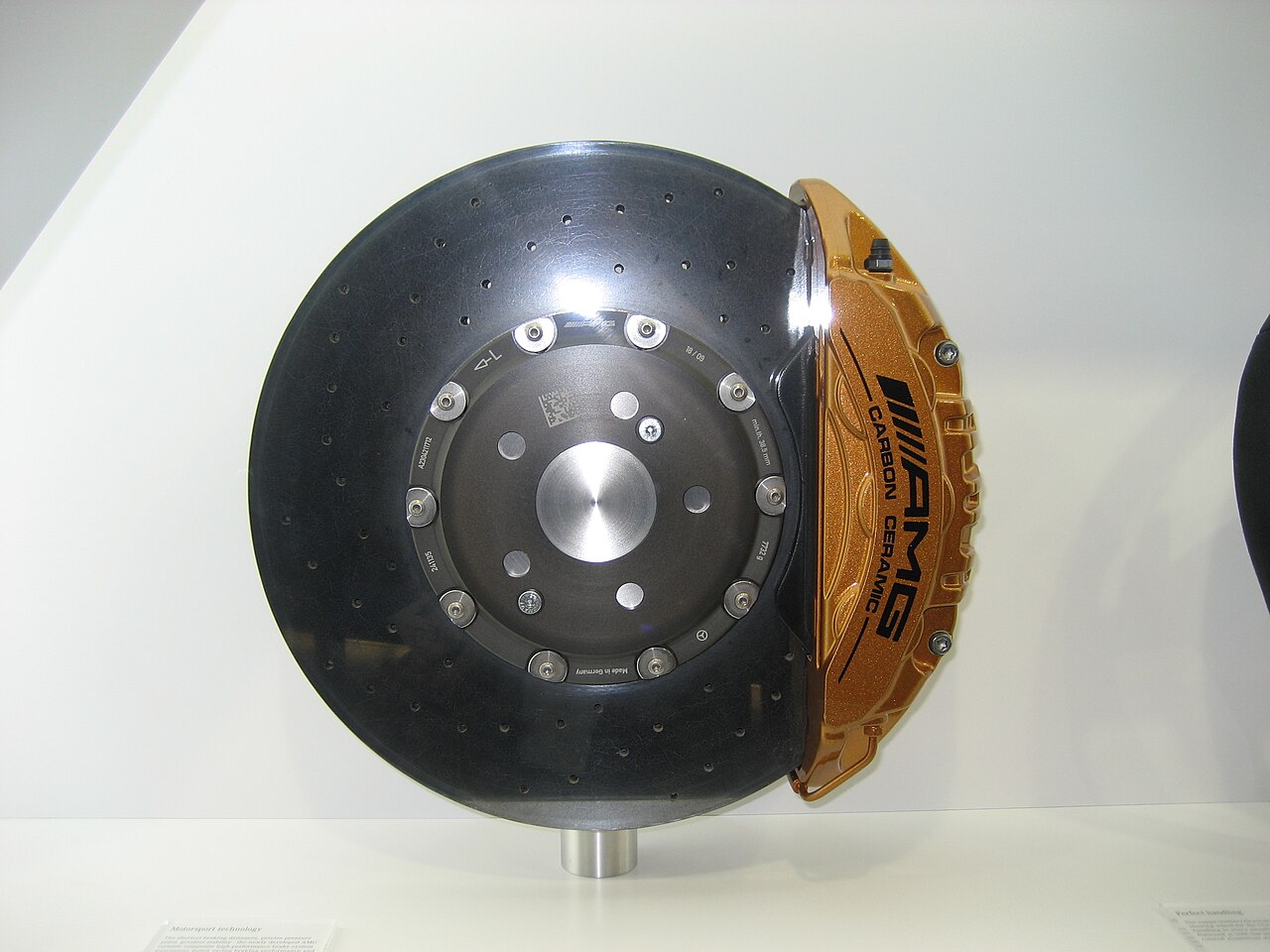
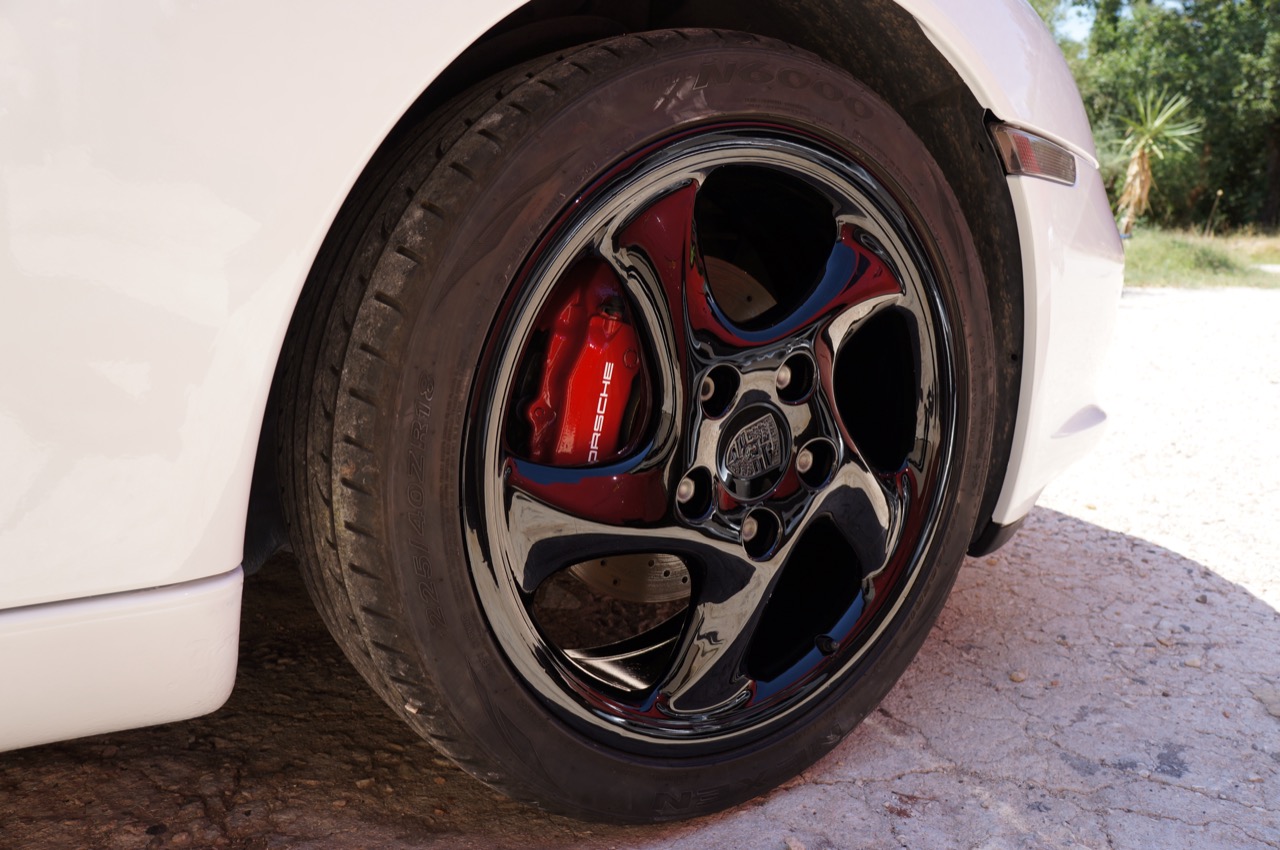
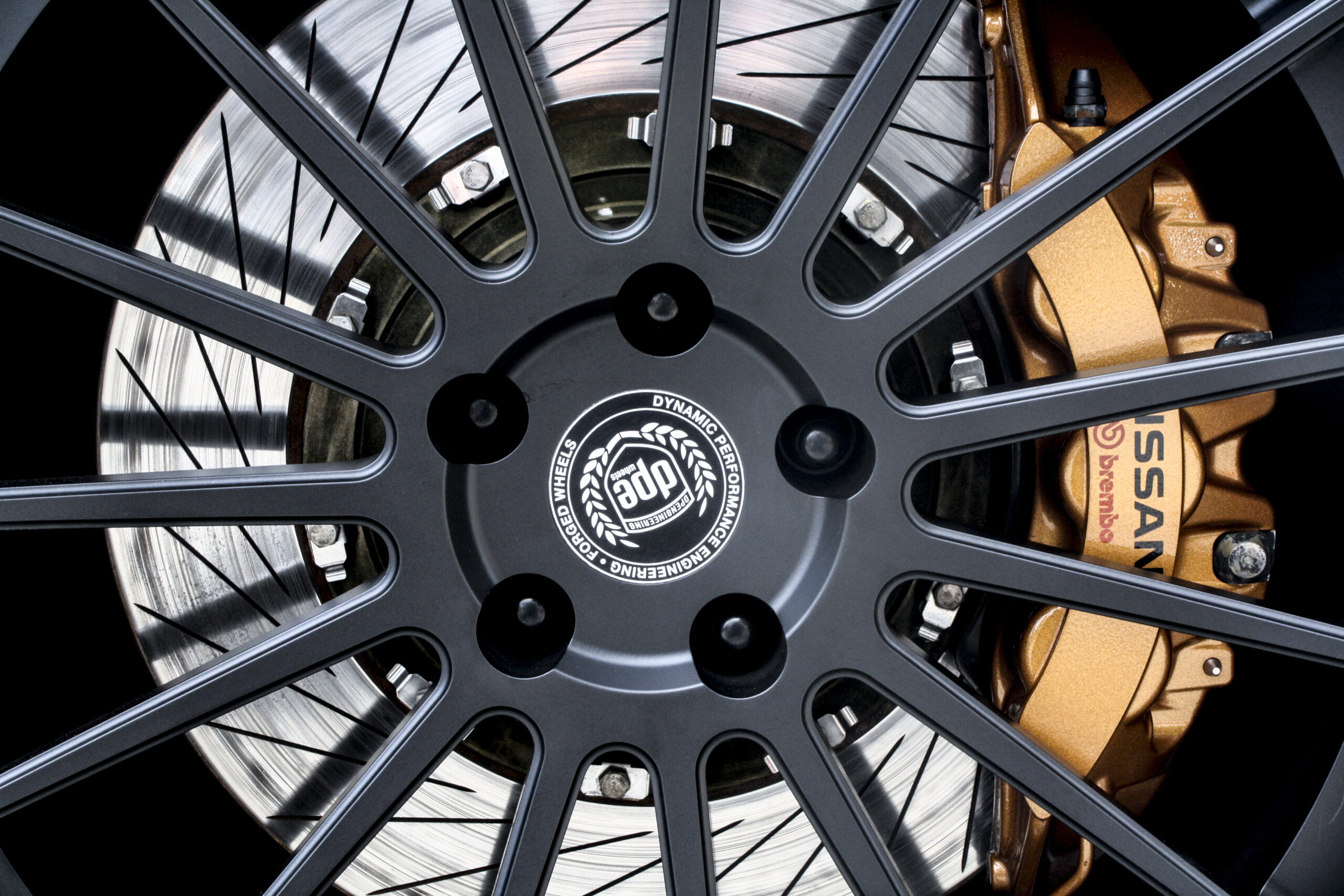
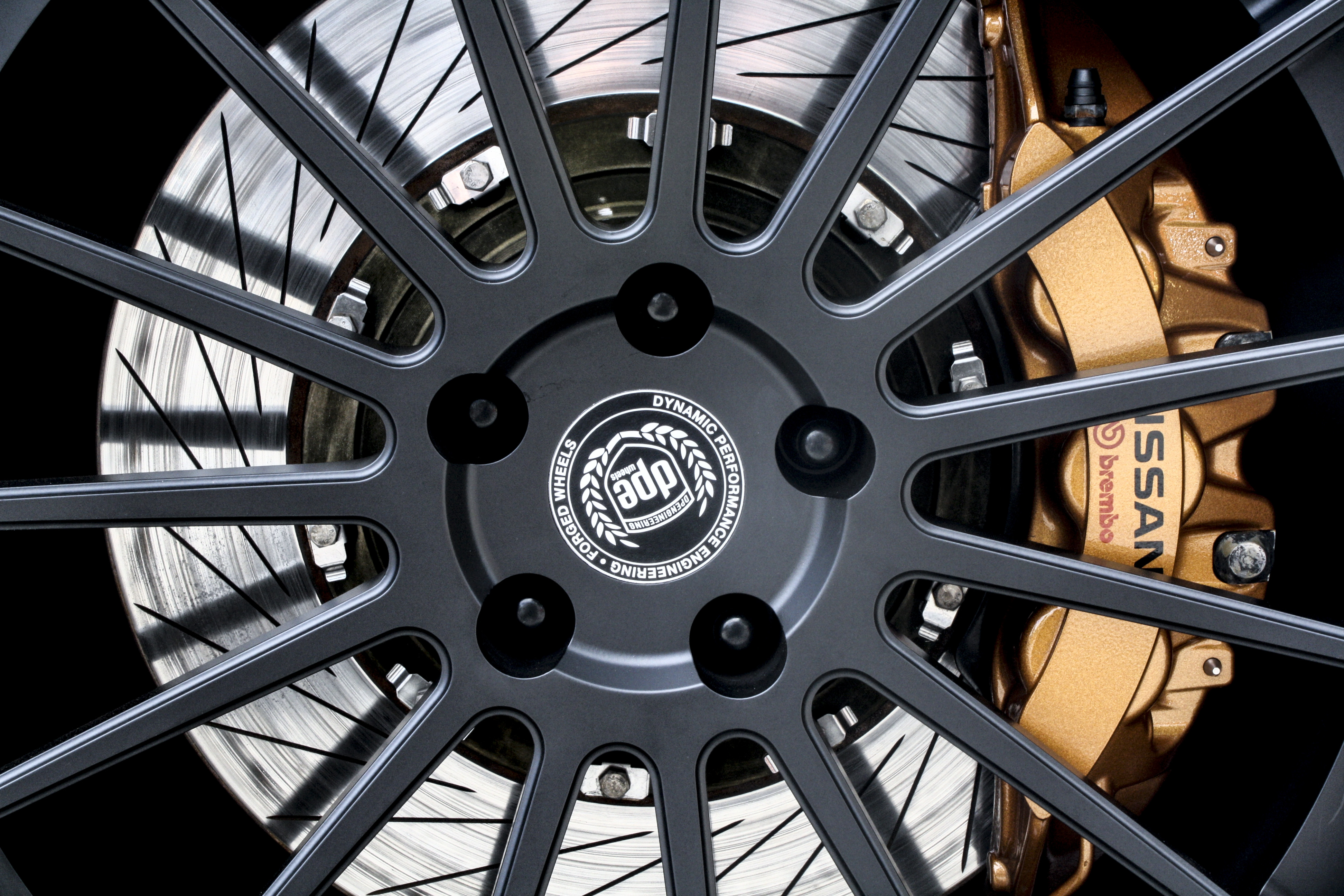
On a car, the usual layout is hydraulic. The pedal pushes fluid to the calipers. Pads clamp ventilated rotors. Heat goes into the pads, the rotors, and the caliper bodies. If that heat soaks into the fluid in the hose and caliper, the pedal can sink later even though the pads still look thick.
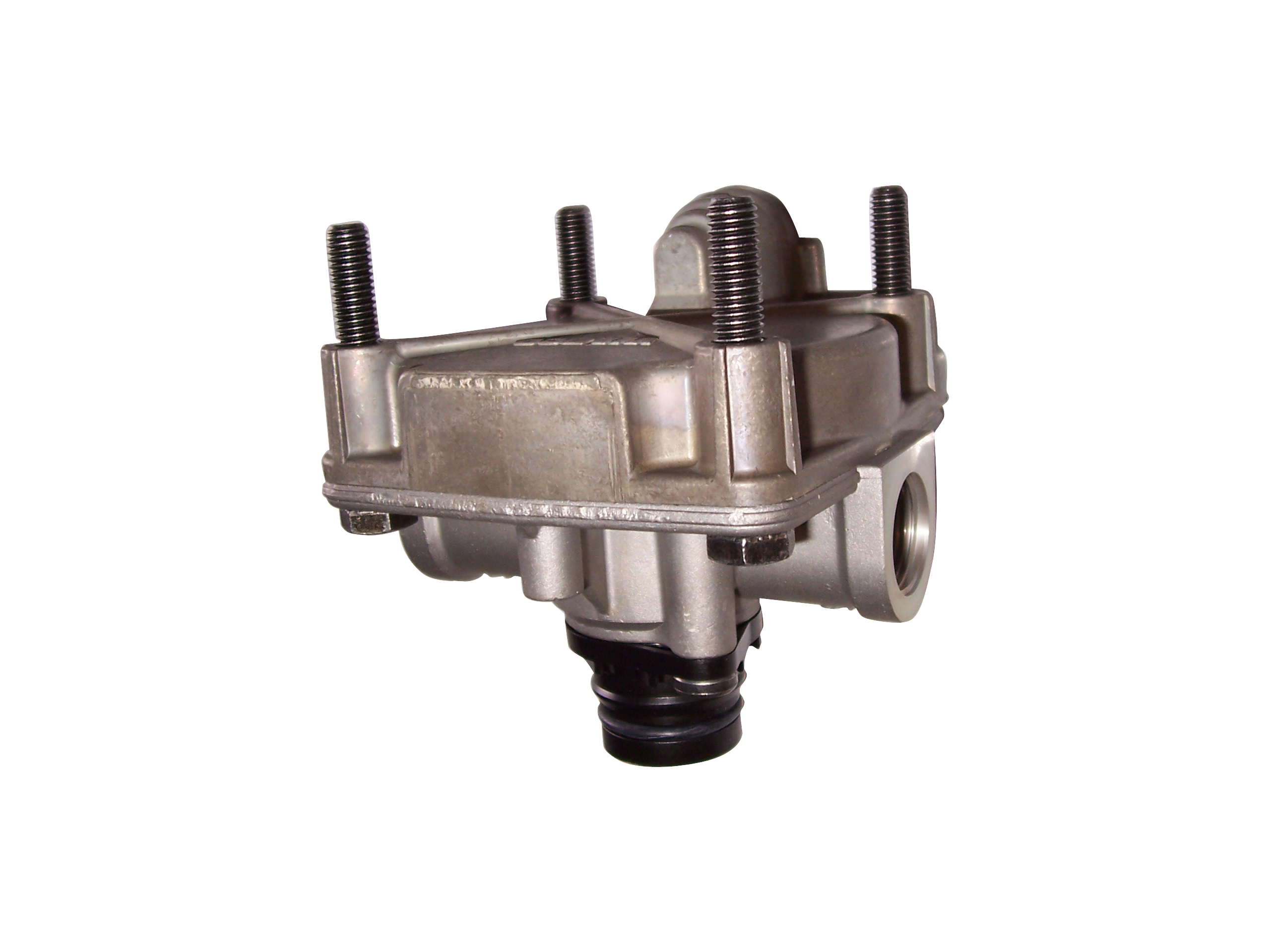
On a heavy truck or bus with air brakes, shoes work inside drums, or pads work on air-actuated discs. Chambers convert air pressure into clamp force for the service brake. If air pressure is lost, spring brakes apply the parking brake. The foundation brakes still have to turn downhill energy into heat whenever the treadle is held down.
How bike, car, and truck heat differ
Weight and how long you hold the brake decide how fast the heat builds. The same hill is a different job for each vehicle.
A light bicycle stores less energy at a given speed than a heavy e-bike. The e-bike’s motor, battery, and stronger frame add mass, so the same descent makes more heat at the rim or rotor. Fade shows up sooner on the heavier bike if the rider keeps the lever partly squeezed all the way down.
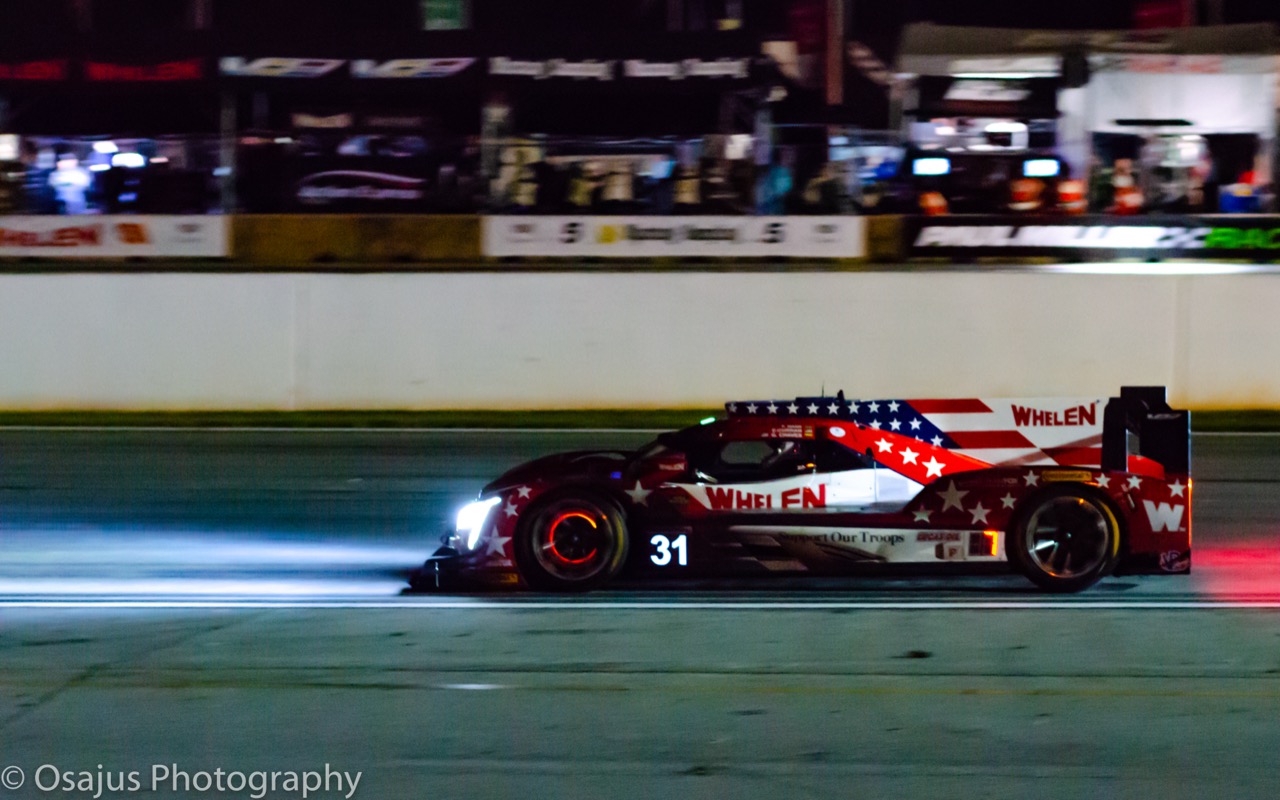
A passenger car’s hydraulic discs absorb a hard stop quickly. A normal stop from about 60 mph can raise front rotors roughly 150–250°F. Several hard stops in a row can push those rotors toward about 600–800°F, where a rotor can glow and the stop loses bite. Those car-rotor numbers are not truck-drum temperatures; do not read them across vehicle types.
A heavy truck drum fades differently. Heat expands the drum away from the shoes, so the shoe has farther to travel for the same clamp. Riding the treadle down a long grade overheats the foundation brakes. An engine brake or retarder turns part of the hill into engine load, so the service brake is used in short applications instead of one long drag.
Smell, smoke, soft pedal, and pull
Your nose and hands often notice overheating before a gauge does.
A sharp burnt smell after a long descent or a series of hard stops usually means pad or shoe material got hot enough to outgas. A little smell after one hard stop can clear as parts cool. Smell that stays, or comes with smoke from a wheel, means stop and inspect from a safe place.
Smoke from a wheel is not normal road dust. It often means a pad or shoe is still rubbing hard, or heat is high enough that residual friction is still cooking the lining. Stay clear of the wheel; do not touch the rotor or drum.
A firm pedal or lever with a longer stop is classic pad fade: the friction surface lost grip while the hydraulic or cable feel stayed stiff. A pedal or lever that sinks under steady pressure is fluid fade or a hydraulic leak path: heat or air in the fluid lets the lever travel farther. That applies to a hydraulic bicycle or motorcycle lever and to a car pedal.
A truck treadle can still feel ordinary while the stop is already long. Air pressure can be fine while hot drums have expanded away from the shoes. Trust the distance it takes to slow, not only the feel under your foot.
A pull to one side usually means one wheel is doing more work than the other—a sticking caliper, a dragging shoe, or uneven fade. One wheel much hotter than the others points the same way. A blue or purple rotor on a bike or car shows the steel got hot enough to change color; treat that as heat damage to check before the next long hill.
Roadside sequence when brakes overheat
Do these steps in order. The goal is to stop making heat, cool the parts in air, then decide whether the trip can continue.
1. Stop in a safe place. Signal early. Leave the lane of travel. Use a shoulder, turnout, or parking area where you are visible and not blocking traffic. On a bike, get fully off the roadway if you can. On a truck, use a designated brake-check or runaway-ramp approach only as your route and training allow; the immediate need is a safe, level place to sit without rolling.
2. Release the brake so pads or shoes are not clamped on hot metal if the vehicle will sit without rolling. Hold the vehicle with the parking brake or by wheel chocks on level ground once it is secure, then let the service brake come off the hot friction surfaces. Clamping a hot rotor or drum while you wait keeps heat trapped between pad and metal. Do not open hydraulic lines. Do not adjust slack adjusters at the roadside.
3. Let the brakes cool in the air. Minutes matter more than a splash of water. Air cooling is uneven and slower than people expect after a glowing stop, so wait until smell fades and no smoke continues. Stay away from the wheels. Do not pour water on a hot rotor or drum.
4. Continue only if a low-speed test feels normal. When the parts have had time to cool, roll a short distance at walking or neighborhood speed and make one gentle stop. The pedal or lever should feel firm. The vehicle should track straight. Bite should return without a long push. If that test feels like a normal light stop, you can resume with shorter brake applications and a lower speed on the next grade.
5. End the trip if the pedal or lever is soft, the vehicle pulls, or smoke continues. Soft travel under your foot or hand means the hydraulic side may already be compromised. A pull means one corner is not matching the others. Ongoing smoke means something is still dragging or still overheated. In those cases, arrange a tow or roadside help. Finishing the route on hope turns a cooling stop into a failure at speed.
What a mechanic looks at afterward
After an overheating event, a shop check is about which parts were cooked and which parts stuck, not about finishing a roadside repair yourself.
On a bike or car, the mechanic measures pad thickness and looks for glaze or cracking. Rotors are checked for thickness, runout, and blueing. A sticking caliper piston or slide pin can keep one pad against the rotor after you release the lever or pedal, which recreates heat on the next hill.
On a hydraulic system, fluid condition and level matter. Dark, burnt-smelling fluid and a pedal that still sinks after cooling are reasons to flush and find leaks, not to keep bleeding at the curb without a plan.
On a truck or bus, the check includes shoe or pad wear, drum or disc thickness, air leaks, and chamber stroke. A long stroke or a leak can leave you with less reserve on the next grade even if the treadle still feels familiar.
One size and system fact to keep straight
Bicycle disc diameter is a heat-capacity choice. A common light-bike disc is about 160 mm across. Heavier e-bikes often run 180 mm or 203 mm rotors so more metal can absorb and shed heat on the same descent.
On a car, remember the rotor temperatures above belong only to the car portion of this article: roughly 150–250°F after a normal 60 mph stop, and about 600–800°F after several hard stops when glow and fade become likely.
On a truck, air pressure applies the service brake. Springs apply the parking brake if air is lost. Hot drums grow away from the shoes, which is why a long, continuous treadle application on a grade is the pattern that cooks foundation brakes even when cab gauges still look ordinary.
The harmful mistake
Pouring water on a hot rotor or drum is the shortcut that cracks iron. Sudden cool on one face of a hot casting can check or warp the metal. Keeping going with a soft pedal, ongoing smoke, or a pull is the other mistake: each mile adds heat and hides how little brake you have left until the next real stop. Cool in the air, test at low speed, and end the trip when the feel is wrong. Why you should not pour water on a hot rotor.
Read next: Downhill driving, riding the pedal, and a soft pedal, and Why bicycle and e-bike brakes fade on a long hill.