Pads, rotors, drums, fluid, and calipers: what you are seeing
Brake pads or shoes, rotors or drums, hydraulic fluid or compressed air, and the calipers or air chambers that push them are the parts that stop a bicycle, scooter, motorcycle, car, van, bus, or heavy truck. If you are smelling hot lining, seeing light smoke after a hard descent, or watching a stop stretch longer than usual, that heat is friction doing its job—until the pedal, lever, or treadle goes soft, the vehicle pulls, or smoke keeps coming, which is a reason to stop, not a normal finish.
Friction turns motion into heat at the wheel
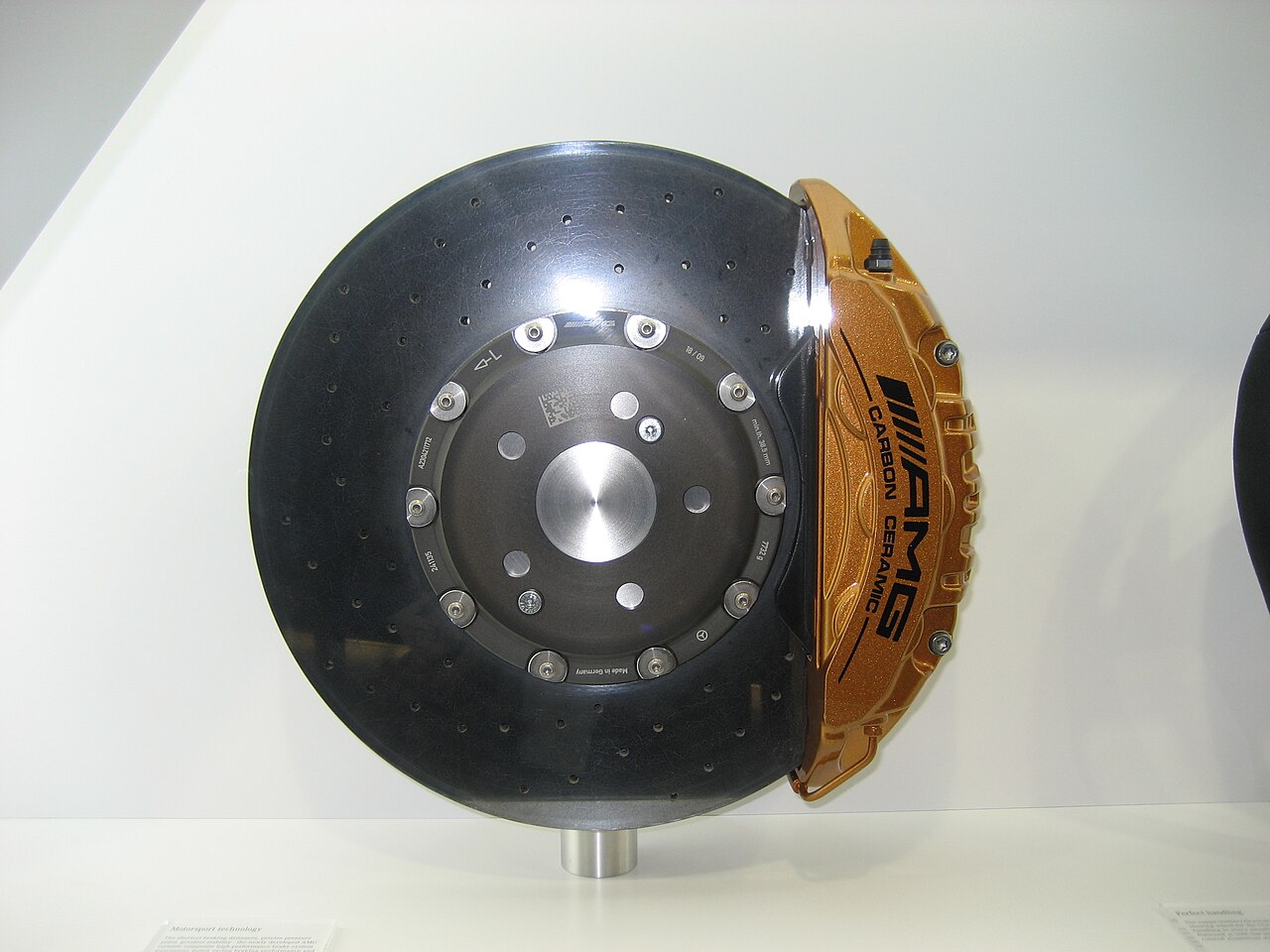
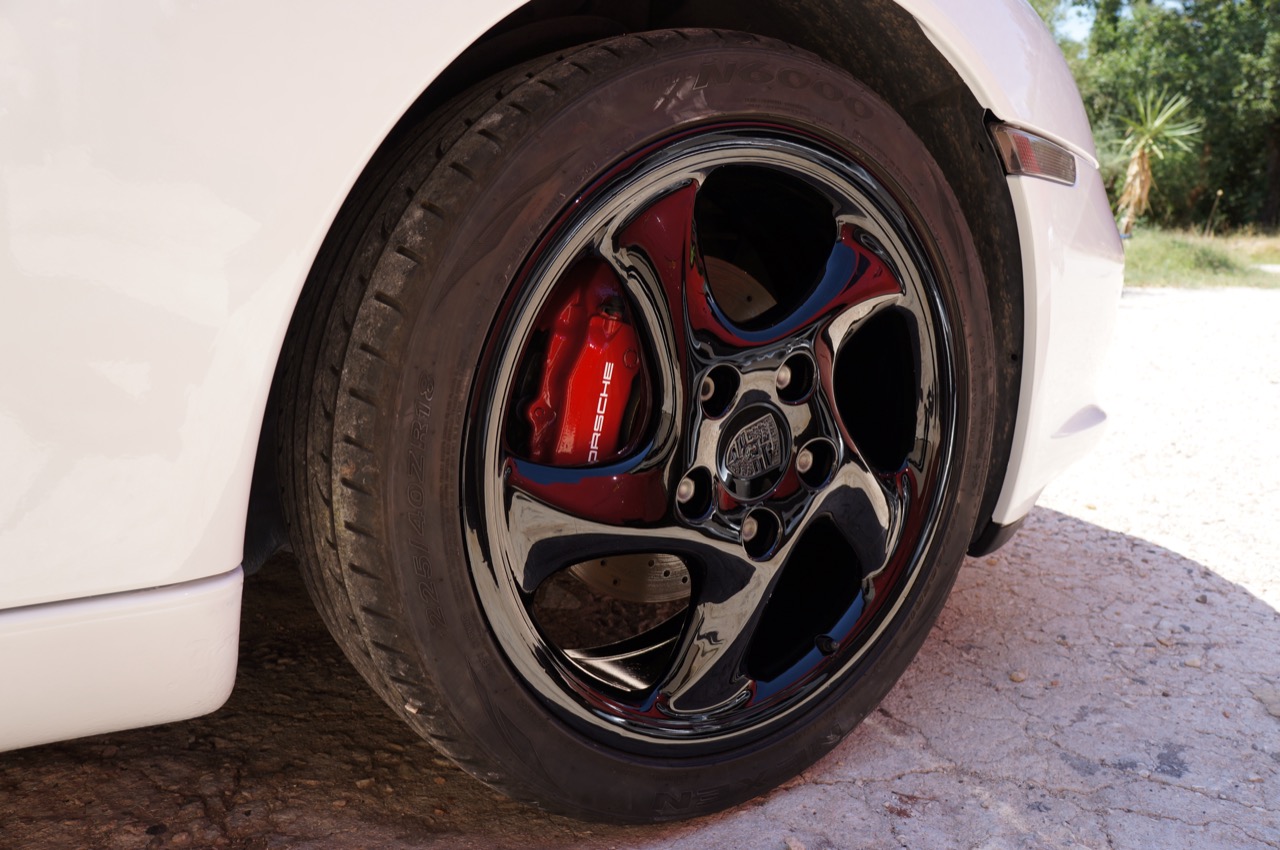
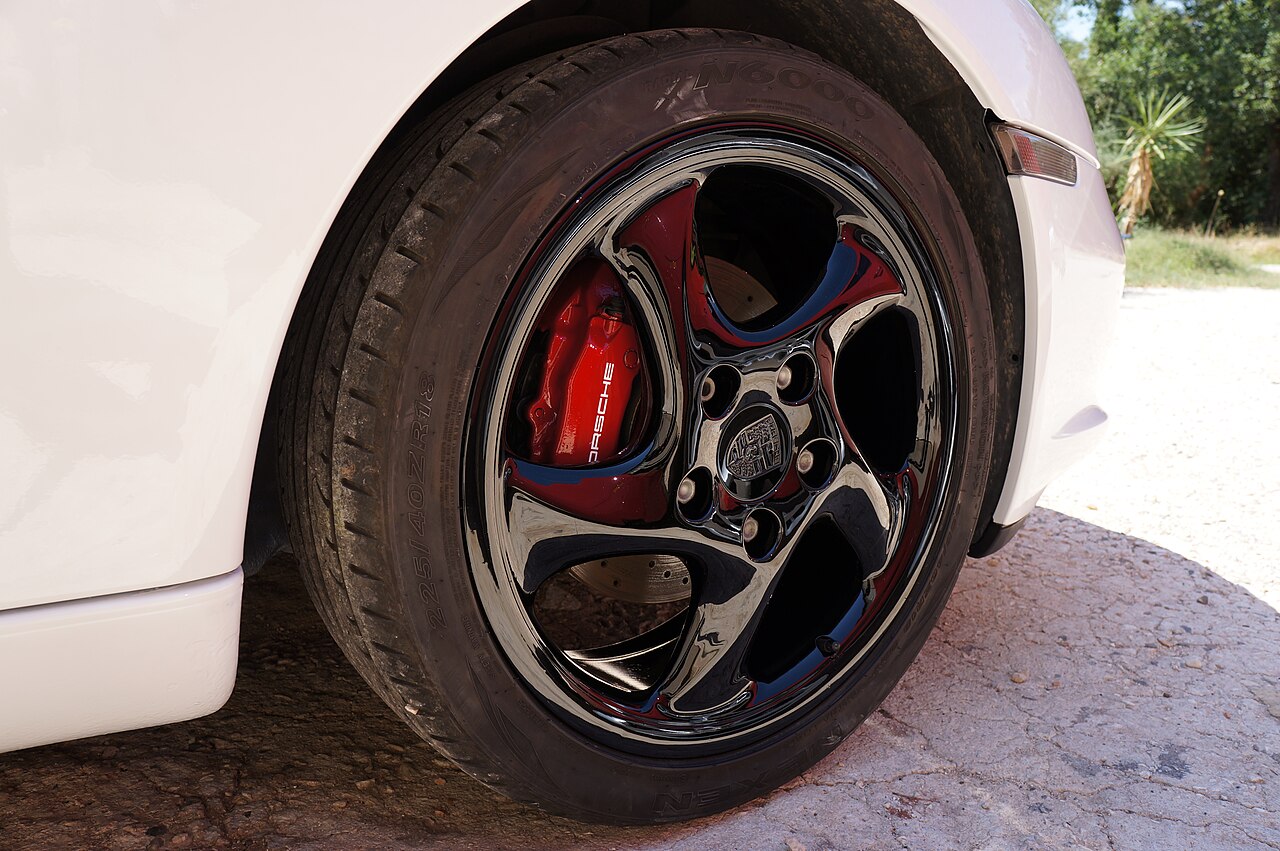
Every road stop works the same way at the tire: something presses against a spinning metal surface, friction turns forward motion into heat, and the vehicle slows. On a disc layout, pads clamp a rotor while a caliper holds those pads. On a drum layout, curved shoes press outward against the inside of a drum. Hydraulic systems use sealed fluid to carry lever or pedal force to the caliper or wheel cylinder. Heavy trucks and many buses use compressed air instead: air chambers push the shoes or pads, and springs can apply the parking brake if that air is lost.
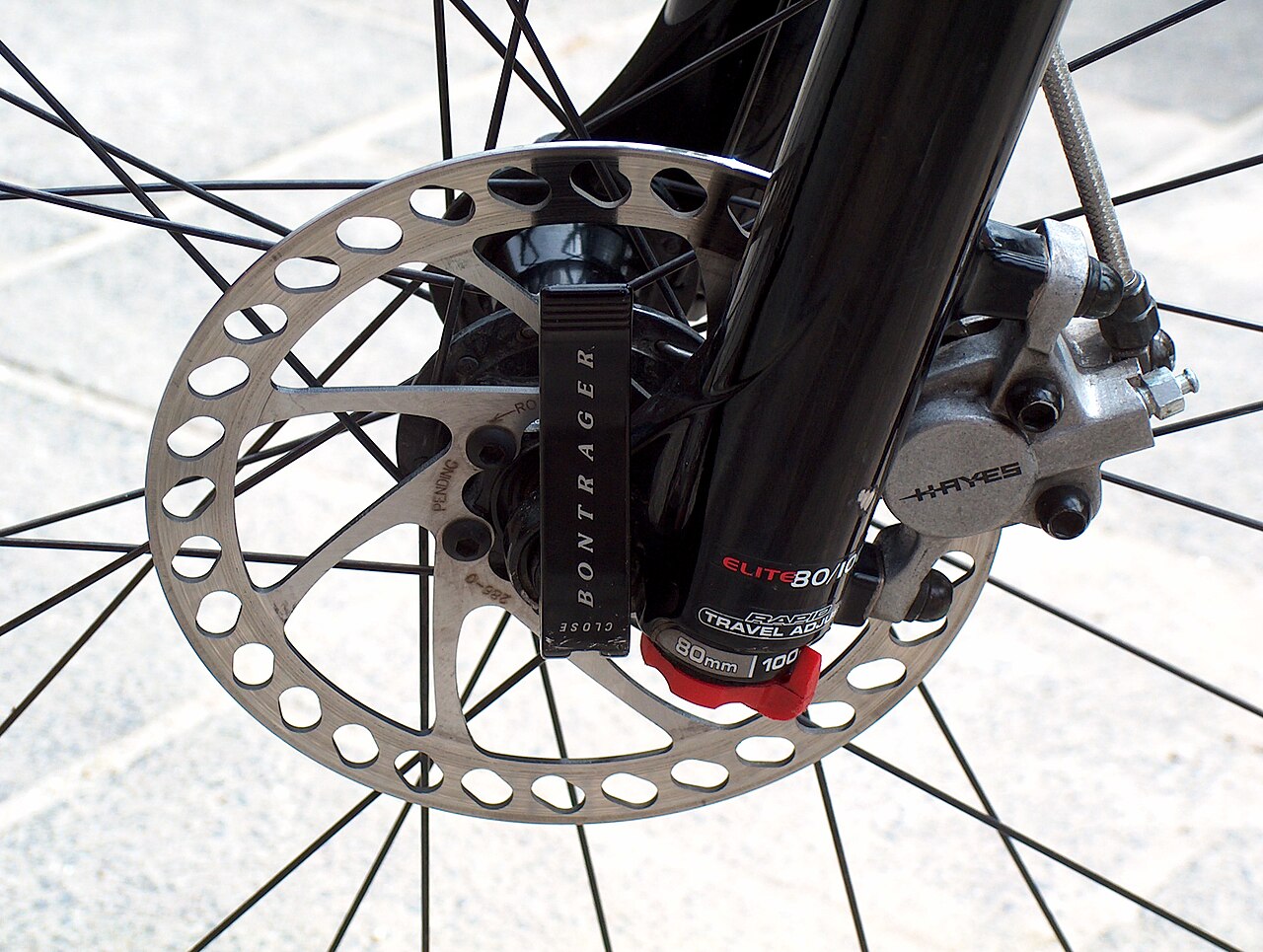
Bicycles split between rim brakes and discs. A light bike disc is often about 160 mm across; heavier e-bikes commonly move up to 180 mm or 203 mm rotors, with resin/organic or metal/sintered pads. Many 50–125 cc scooters pair a front disc about 190–220 mm with a rear drum about 140 mm. Motorcycles put most of a hard stop on the front disc, commonly about 300–320 mm. Cars, SUVs, pickups, vans, and light trucks almost always use hydraulic discs on the front and often on the rear as well, though some still keep rear drums. Delivery vans and passenger cars share that hydraulic world. Buses are inspected often because a full bus is heavy and stops are frequent. Heavy trucks apply the service brake with air and keep large drums—or, on newer units, air discs—at the wheels. For how that air system differs from a car’s fluid column, see Air Brakes on a Heavy Truck, and How They Differ from Car Brakes.
Hydraulic brake fluid also absorbs water over time. That water lowers the boiling point, so a long descent can turn a firm lever or pedal into a soft one when vapor forms in the line. On a motorcycle, a soft lever after hard stops often means boiled fluid. On a car, a firm-but-longer stop is usually pad fade; a sinking pedal is fluid fade. Those two feelings are different decisions: pad fade asks for cool-down time, while a sinking pedal asks you to stop the trip.
How size changes the parts, from a bicycle disc to a truck drum
Size is not decoration. A larger, heavier vehicle stores more motion at the same speed, so the friction parts must be larger, thicker, and able to shed more heat before the next stop. A common light-bicycle disc of about 160 mm is a thin steel rotor clamped by a small caliper; a heavier e-bike often steps up to 180 mm or 203 mm because more mass and speed push more heat into the same small area, and that bike fades sooner than a light bicycle on the same hill. Resin pads grab quietly when cool and fade earlier when hot; metal or sintered pads tolerate more heat and chew rotors faster. Why Bicycle and E-Bike Brakes Fade on a Long Hill walks through that fade on grades. Scale up again and a motorcycle front disc of about 300–320 mm is roughly twice the diameter of that bike rotor, with more pad area and a longer lever arm at the hub, which is why most of a hard motorcycle stop still lives at the front wheel.
Compare a hatchback or sedan with a loaded delivery van on the same city route. Both use hydraulic discs and fluid. The van is heavier, stops more often, and shifts weight onto the front axle every time the driver brakes, so its front pads and rotors take a larger share of the heat. The car from 60 mph can still make more braking heat in one stop than the van from 20 mph, because heat tracks speed as well as weight—but the van’s repeated city stops build heat without a mountain. That is why the van’s front rotors are larger than a light car’s, and why the fronts wear first. A heavy SUV or pickup follows the same rule: more mass from the same speed means more heat, which is why its rotors are larger than those on a small car.
A full bus sits between the van and the tractor-trailer. The vehicle is heavy when loaded, and city or route service means frequent stops, so the friction parts work often even when the hills are mild. Fleets inspect bus brakes often for that reason; the inspection exists because heat and wear accumulate with every door cycle, not because a single glowing rotor proves the day went well.
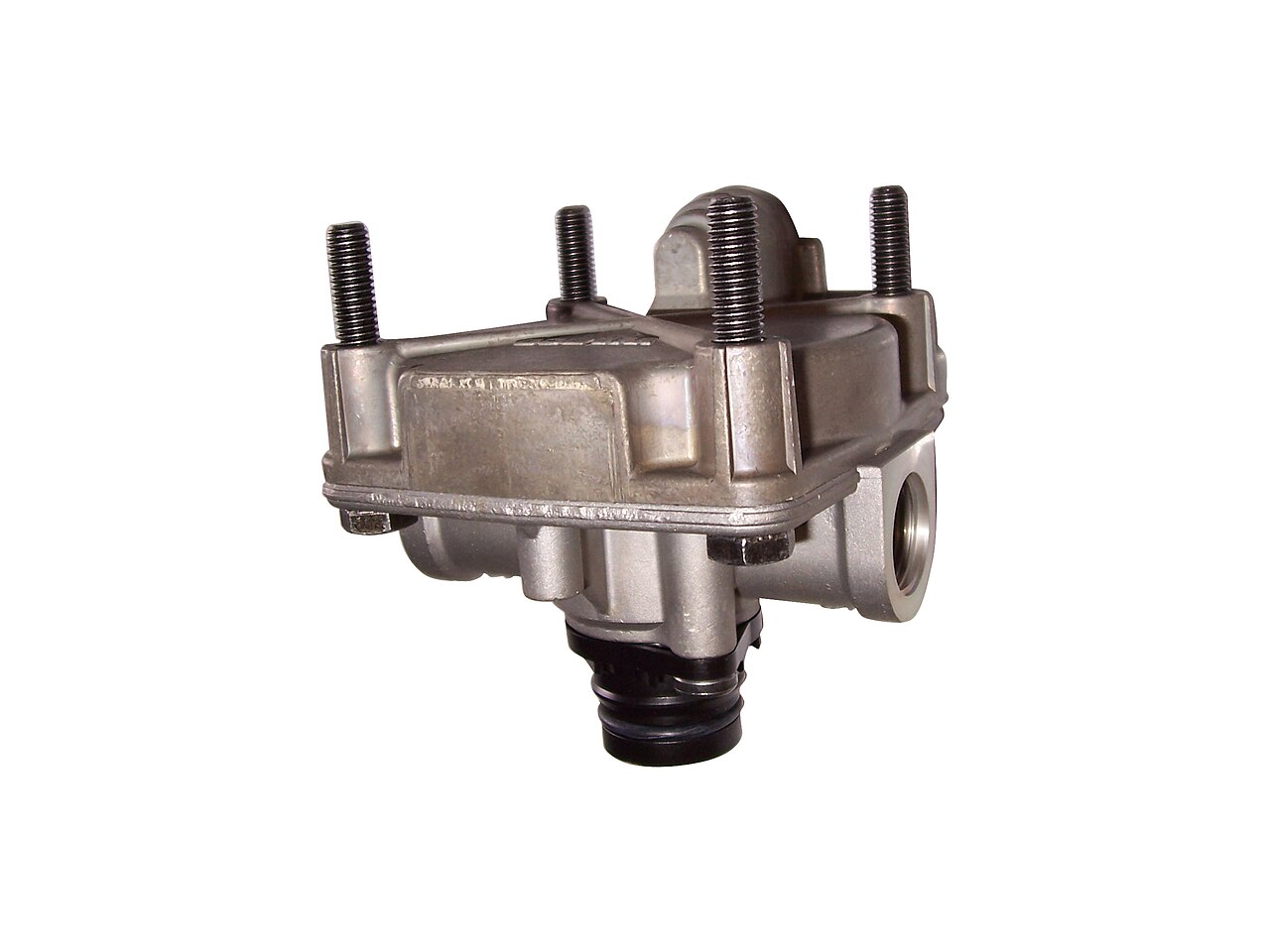
A heavy truck sits at the far end of that scale. Compressed air, not fluid, applies the service brake. The foundation brake is often a large drum with shoes inside; heat expands the drum away from the shoes, so the same air pressure buys less stop and the chamber rod has to travel farther. That drum fade is a different failure mode from a glowing car rotor. The truck’s parts are sized for tens of tonnes, not for a bicycle’s 160 mm disc, and pouring car-rotor temperature numbers onto that drum would be the wrong map. Engine brakes and retarders turn a long hill into engine load so the treadle is used in short applications; riding the treadle instead leaves the foundation brakes clamped and overheated.
What a driver or rider can check without tools
Smell of hot lining after a hard descent usually means the pads or shoes have been working above a single-stop temperature. Light smoke that clears when you stop and release can be heat leaving the friction surface. Continuous smoke, or smoke with a soft control, is not a “job done” signal—it is a reason to park.
A soft bicycle or motorcycle lever often means air in the line or fluid that has boiled; the lever travels farther and the stop lengthens. A car pedal that sinks under steady pressure points to fluid fade or a leak; a firm pedal with a longer stop points to pad fade. On a heavy truck the treadle can still feel ordinary while the stop runs long, because a swollen drum or a long chamber stroke is not the same as a soft fluid column. A pull to one side usually means one wheel is braking harder—or not braking—because of a sticking caliper, uneven pad or shoe wear, or a chamber that is not applying. A blue tint on a car or motorcycle rotor is a heat mark from past hard use. One wheel much hotter than the others after a short cool-down suggests that corner is dragging or doing more than its share. On a scooter, a grabbing front disc after rain can be water on the rotor, while a dragging rear drum after a long wet ride can mean shoes that stay partly against the drum—different feel, same decision: slow down and check before the next long stop.
What to do at the roadside
Signal early and leave the lane for a turnout, shoulder, or parking area where the vehicle is clear of traffic. Stop. If the outfit will sit without rolling, release the service brakes so pads or shoes are not clamped hard on hot metal for the whole cool-down. Let the brakes cool in moving air. Do not pour water on a hot rotor or drum.
Continue only if, after that cool-down, a low-speed test stop feels as short and as straight as a normal one, and any smoke has stopped. If the pedal or lever is soft, the vehicle pulls, or smoke continues, the trip ends there. Call for a tow or a mechanic rather than hoping the next grade will be gentler. On a truck, a low-air warning or a treadle that travels farther than it did at the start of the shift is the same kind of trip-ending cue as a soft car pedal.
What a mechanic checks on the hardware
On disc vehicles the shop measures pad thickness and rotor thickness with a micrometer, looking for cracks, grooves, and hard spots. Rotors on cars and light trucks are replaced in pairs when they are at minimum thickness, cracked, or heat-spotted; hard spots often return after machining. Typical lateral runout on many car discs is about 0.002–0.003 inch (some cars about 0.0015 inch); that figure is a car-disc check, not a drum or bicycle spec. The mechanic also looks for a sticking caliper piston or slide that keeps one pad against the rotor. On hydraulic systems, fluid condition and leaks at hoses, calipers, and the master cylinder matter because water in the fluid lowers the boiling point. On drum ends—scooter rear drums, some car rears, truck and bus drums—the check is shoe lining thickness and drum diameter or condition, not a car-disc runout figure.
On a truck or bus the mechanic also inspects for air leaks and measures chamber stroke. That stroke check tells whether the shoes or pads are still within the travel the chamber can provide. This article does not walk through opening a hydraulic system, disabling a brake, or adjusting a slack adjuster; those are shop jobs with the vehicle secured.
One temperature fact that belongs on car discs only
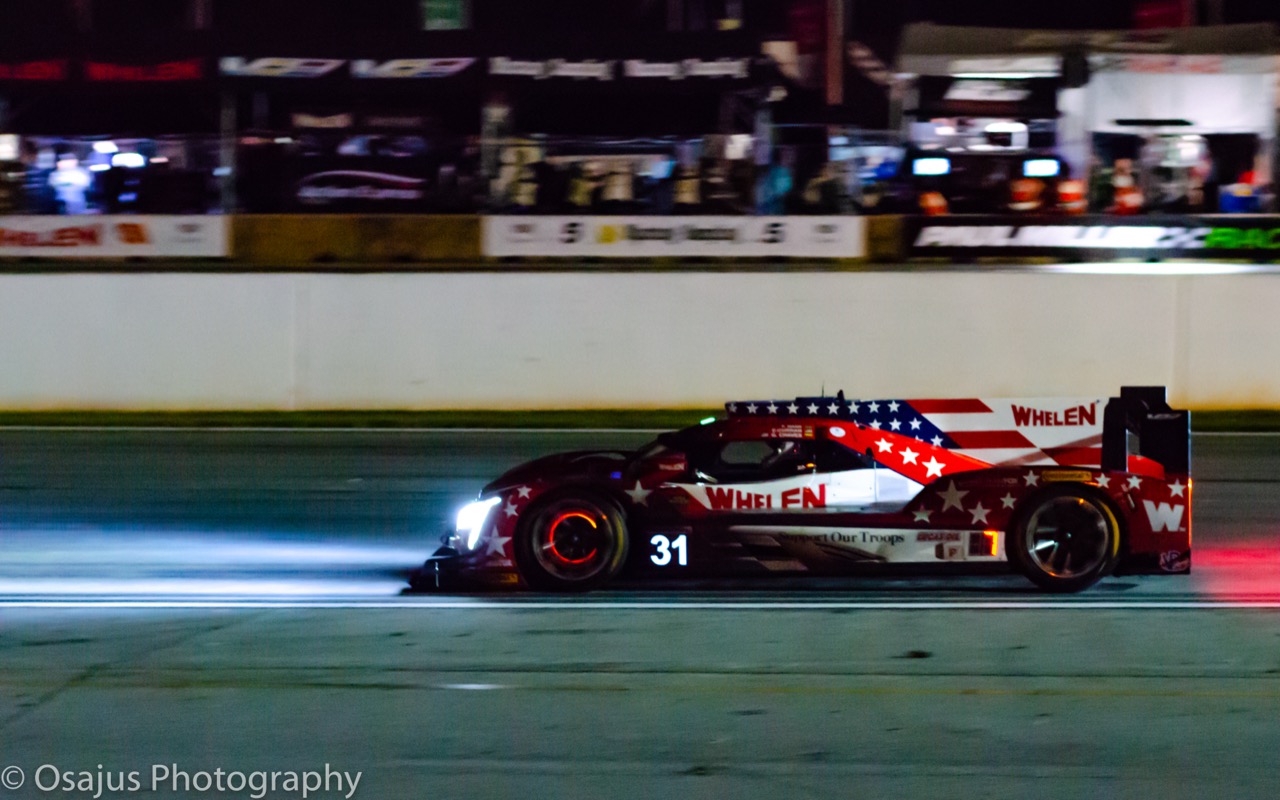
On cars, SUVs, pickups, vans, and light trucks with hydraulic discs, heat at the rotor depends on speed, weight, and how hard and how long the brakes are applied. A normal stop from 60 mph can raise front-rotor temperature about 150–250°F. Several hard stops in a row can push rotors into the 600–800°F range, where a rotor can glow and the brakes can fade. Fade feels like more pedal and less stopping. Semi-metallic pads usually tolerate more heat than organic pads. Vented rotors, usually on the front, shed heat faster than solid rotors, which are common on rear or light-duty brakes. A heavy SUV or truck makes more heat than a small car from the same speed, which is why its rotors are larger; a light car from 60 mph can still generate more braking heat than a heavy vehicle from 20 mph. Those temperature figures describe hydraulic car discs. They are not truck-drum temperatures, and they are not a bicycle or motorcycle target.
The mistake that makes overheating worse
Riding the pedal, lever, or treadle so the friction parts never lift clear keeps heat pouring into the same metal. On a hill that means continuous contact instead of short applications with a gap to cool. On a truck, engine brakes and retarders exist so the foundation brakes are used in short bites; riding the treadle instead overheats the drums or discs. Do not treat a glowing road brake as proof the stop was done correctly, and do not keep driving on a soft pedal or lever. Park, let the brakes cool in the air, and get the parts measured. Sudden water on hot iron can crack a rotor or drum.
Read next: Why Bicycle and E-Bike Brakes Fade on a Long Hill · Air Brakes on a Heavy Truck, and How They Differ from Car Brakes