Do not pour water on a hot rotor on a car, SUV, pickup, van, or light truck with hydraulic disc brakes. The same rule applies to any hot iron disc: let it cool in free air, then have a mechanic check thickness, cracks, and hard spots. A glowing rotor is a reason to stop and cool in air—not a reason to splash water, and not proof the stop was done correctly.
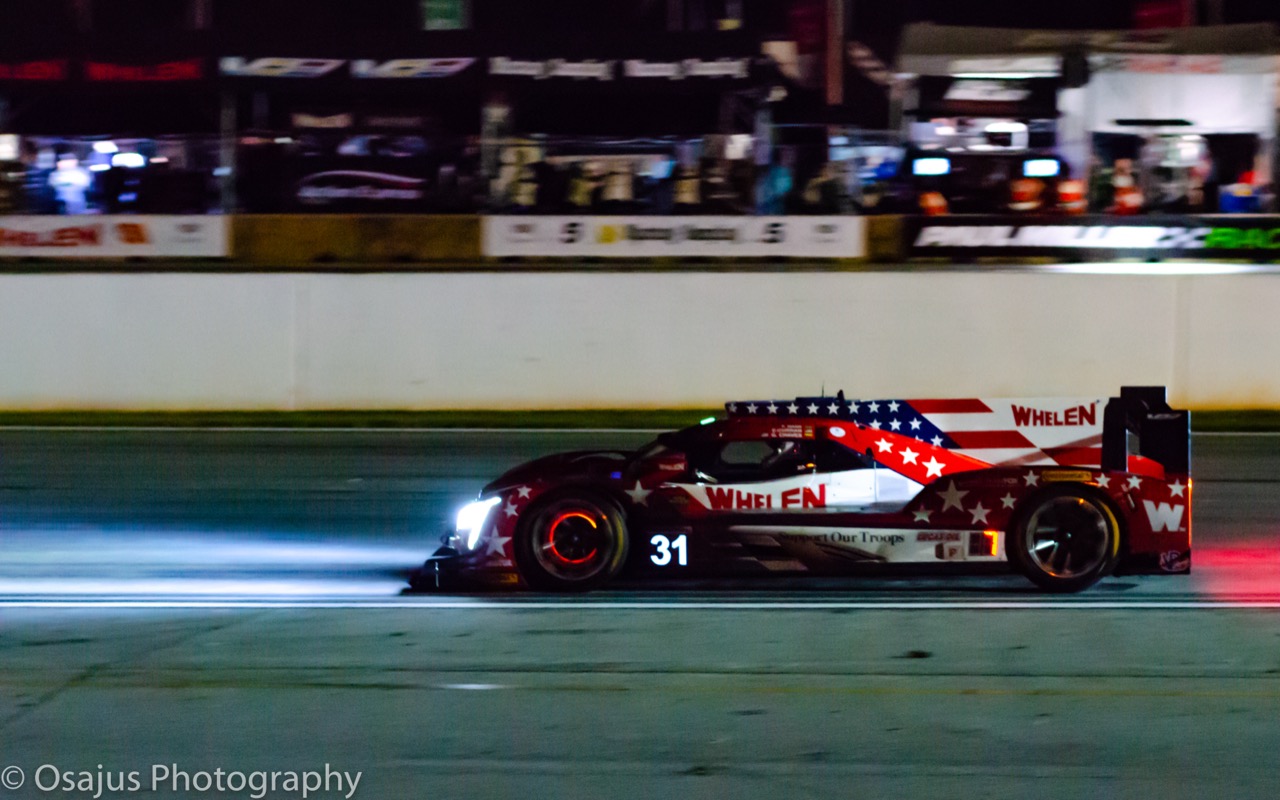
Friction turns motion into heat in the pads and rotor
When you press the pedal, the calipers clamp the pads against the rotating rotors. Friction converts the vehicle’s motion into heat at those two surfaces. Most of that heat stays in the rotor and the pad faces for the first minutes after a hard stop; only then does it bleed into the hub, the wheel, and the air. Brake fluid carries the force from the pedal to the caliper pistons. It is a hydraulic working fluid, not a coolant for the iron disc.
Heat climbs with speed, vehicle weight, and how hard and how long the brakes stay applied. One firm stop from highway speed dumps a pulse of energy into the fronts. Ten hard stops with little cool-down stack that energy until the iron is far hotter than a single stop. A sudden splash of cold water on that hot iron shocks the outer face while the core is still far hotter. The surface contracts against a still-expanded core; the iron can crack. Air cooling with the pedal released avoids that thermal shock.
How vehicle size changes the risk
Size changes how fast heat builds and what fails first, but it does not change the quench rule. A bicycle disc is thin—about 160 mm on many light bikes, and 180 or 203 mm on many heavier e-bikes. Quenching a thin bike rotor can bend or warp it so the pads rub every revolution. Do not borrow car rotor temperatures for a bicycle; the useful point is that a sudden cool still damages thin iron, so cool in air there too.
A heavy SUV or pickup stores more kinetic energy than a small car at the same speed, so it dumps more heat into larger rotors. Those rotors are bigger because the vehicle needs more friction area and more iron mass to absorb the stop—not because water becomes a safe cool-down method. A loaded van making repeated city stops can build serious heat without a mountain grade: short gaps between lights leave little time for the disc to shed heat into moving air. Larger rotors absorb more energy; they still must cool in air.
A heavy truck often uses air brakes and drums. Those drums fade when they expand away from the shoes; their temperatures are not the same as car disc glow ranges, so do not quote passenger-car °F numbers as truck-drum temperatures. Still do not pour water on a hot truck drum either—let it cool in the air. The decision is the same across sizes: quench makes hot iron worse; time in air does not.
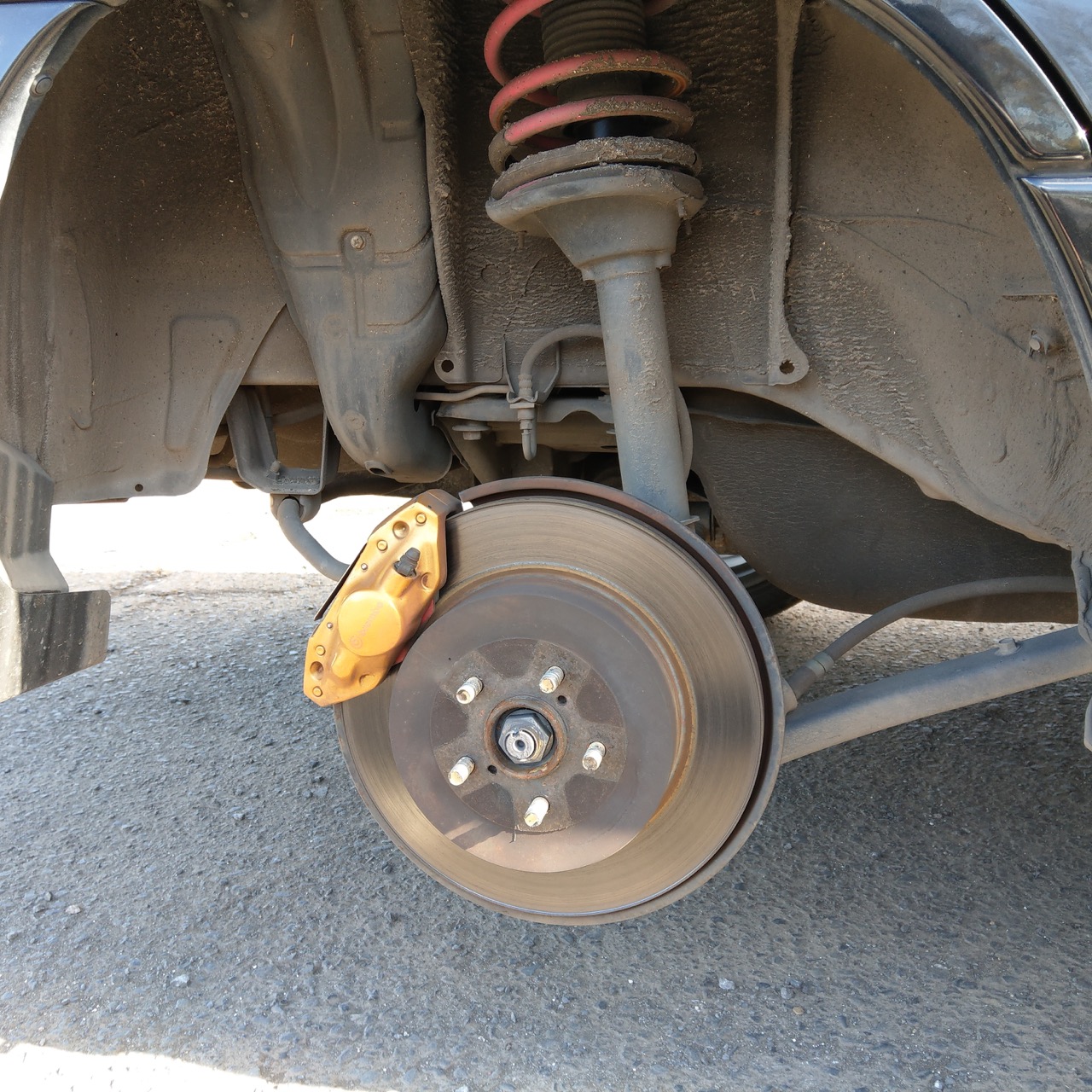
What the driver can check without tools
You can decide a lot from the seat and a short curb inspection before any tool comes out. Smell of hot friction after hard use is common; a burnt smell that lingers after you have released the pedal and waited is a stronger cue. Light smoke at a wheel after stacked stops means the friction pair is still dumping heat; smoke that continues with the pedal up points toward drag or a stuck caliper. A soft or sinking pedal, a pull to one side under braking, a blue tint on a rotor after it cools, or one wheel clearly hotter than the others all mark overload or uneven release.
Read the pedal as a decision tool. A firm pedal with a longer stop is usually pad fade: the friction surface has lost grip under heat. A pedal that sinks under steady pressure is closer to fluid fade: vapor in the hydraulic circuit compresses where liquid fluid would not. Either pattern after hard use means stop stacking heat.
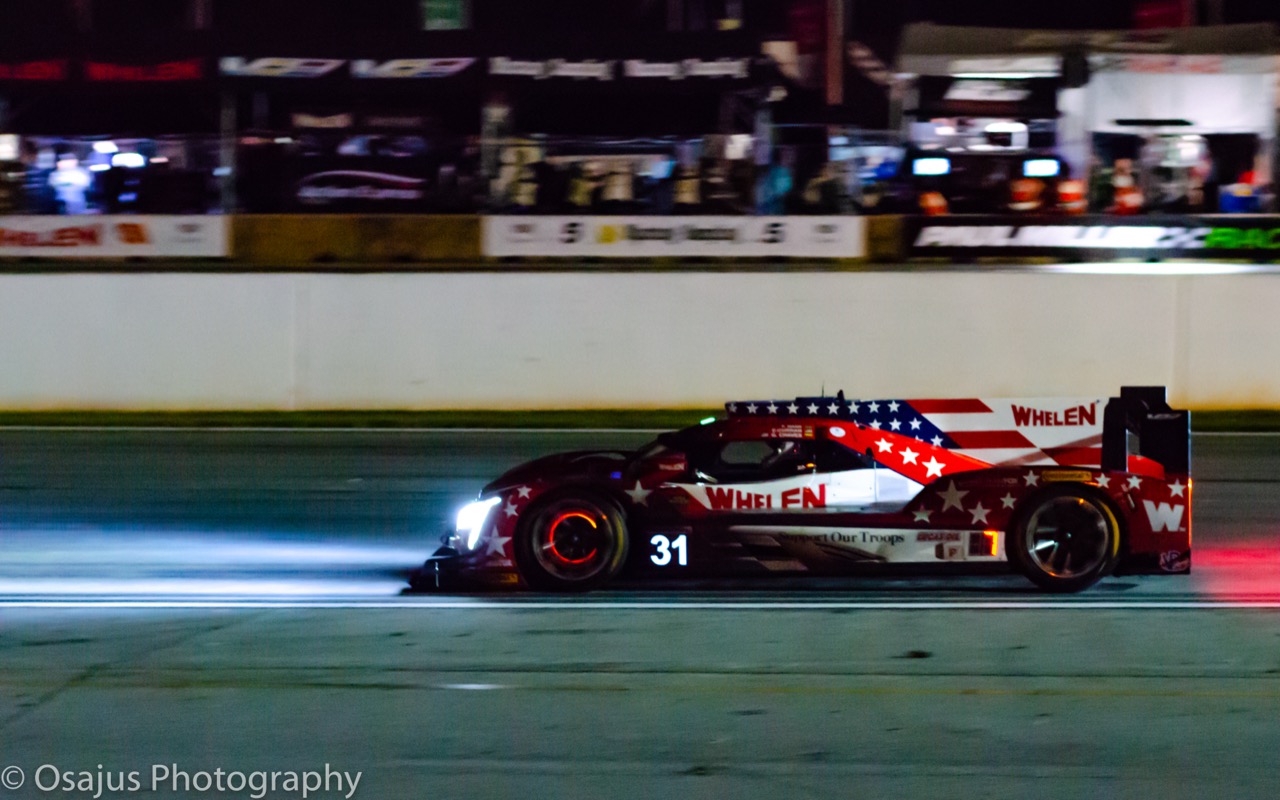
On cars, SUVs, pickups, vans, and light trucks with hydraulic discs, a normal stop from 60 mph typically leaves rotors around 150–250°F—hot enough to burn skin, not hot enough to glow. Several hard stops in a row can push the same iron into about 600–800°F, where it can glow dull red. Glow is past a routine warm brake. It is a reason to park and cool in air, not proof that the last stop was “good enough.”
Roadside: stop, release the pedal, cool in air
Pull into a safe place away from traffic. Leave the service pedal released if the car will sit so the pads are not clamped on the hot rotor. Let the rotor cool in free air moving through the wheel openings. Do not pour water. Do not pack wet rags against the disc. Do not spray a bottle from the trunk onto a glowing face.
Give the iron time. Minutes of still air after a glow event are not wasted; they are the cool-down. Continue only if, after that pause, braking feels normal—firm pedal, straight low-speed stops, no ongoing smoke. If the pedal is soft, the car pulls, or smoke continues after the pads are released, the trip ends there. Arrange a tow or a clearly safer short crawl to a shop. Another hard stop “to test” hot brakes is how 600–800°F becomes cracked iron or boiled fluid.
What a mechanic checks after a hot-rotor scare
A shop visit after glow or after a suspected quench attempt should focus on heat damage, not a casual pad glance. Pads need thickness and glazing checks. Rotor thickness should be measured with a micrometer against the discard minimum stamped on the hat or listed in the service data. Cracks—especially radial cracks from the outer edge—are a replace decision. Hard spots are localized hardened patches that often return after machining, so overheated rotors are commonly replaced in pairs on that axle rather than skimmed and returned to highway use.
The mechanic also checks for a sticking caliper—frozen slides or a piston that will not retract—and whether the fluid was driven near boil. Typical passenger-car disc runout is about 0.002–0.003 inch; some cars specify about 0.0015 inch. That is a car-disc measurement fact only. Describing that a mechanic measures thickness and checks for cracks is enough; opening the hydraulic system, bedding pads, and installing rotors stay shop procedures, not roadside steps.
Why 600–800°F and a water splash do not mix
Hold the car numbers next to the quench mistake. When a hydraulic-disc car, SUV, pickup, van, or light-truck rotor sits in the 600–800°F glow range, the iron is already near the edge of ordinary street duty. A sudden water quench cracks cast iron far more readily than patient air cooling. The outer skin plunges in temperature while the core is still near glow; that gradient is what opens a crack.
Vented front rotors shed heat faster than solid rears because air moves between the friction faces, but venting does not make a water quench safe. Semi-metallic pads usually tolerate more heat than organic pads before grip falls off; that still does not mean the driver should cool the rotor with water. Pad compound and rotor venting change how long you can brake before fade. They do not change the rule after the iron is already glowing: cool in air.
The harmful mistake: pouring water on the hot rotor
The action that makes a hot-rotor problem worse is pouring water on the hot rotor—or on a hot drum. Steam and a cracked disc leave you with damaged iron and no better braking. Cause: extreme heat already in the disc. Result: quench cracks and a rotor that fails a thickness or crack check. What to do: stop safely, release the pedal, cool in air, then have thickness, cracks, and hard spots checked before the next hard stop.
Read next: What brake glow looks like on a car, and Downhill driving, riding the pedal, and a soft pedal.
.jpg)
