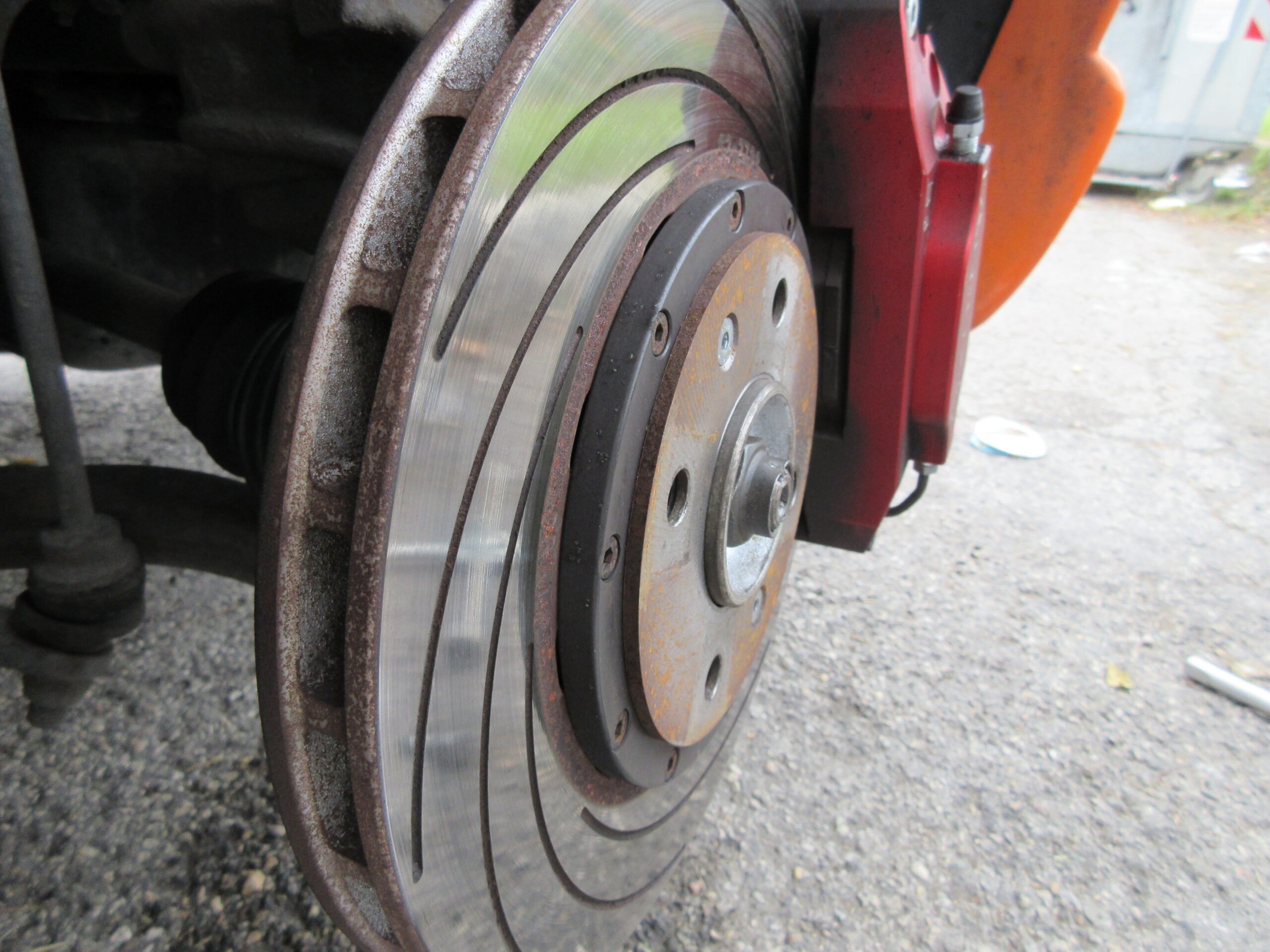
The tow vehicle’s rotors are sized for the tow vehicle, not for the trailer’s weight on top of that. When the trailer brakes are not working, a mountain grade dumps the trailer’s energy into the tow vehicle’s pads and rotors. A hot smell on a grade while towing is a reason to pull over, not a normal loaded stop. Smoke, a soft pedal, or a dull red rotor means the trip stops.
The tow vehicle’s rotors were sized for the tow vehicle
A car, SUV, or pickup that tows with hydraulic disc brakes is built around one vehicle’s mass, tire grip, and cooling. The front rotors, pads, calipers, and fluid are chosen for that mass plus a safety margin. They are not a spare set of brakes for a second vehicle hanging on the hitch.
Many trailers are built with their own brakes for that reason: the tow vehicle cannot do the trailer’s share. Follow the trailer and tow-vehicle ratings and the rules where you are driving. Do not treat an empty hitch rating as a promise that the tow rotors can hold a non-braking trailer on a long grade.
If the trailer brakes fail or never engage, every downhill foot-pound of trailer energy has to become heat in the tow vehicle’s friction stack. That is how a routine mountain mile turns into pad fade, fluid fade, or a rotor hot enough to glow.
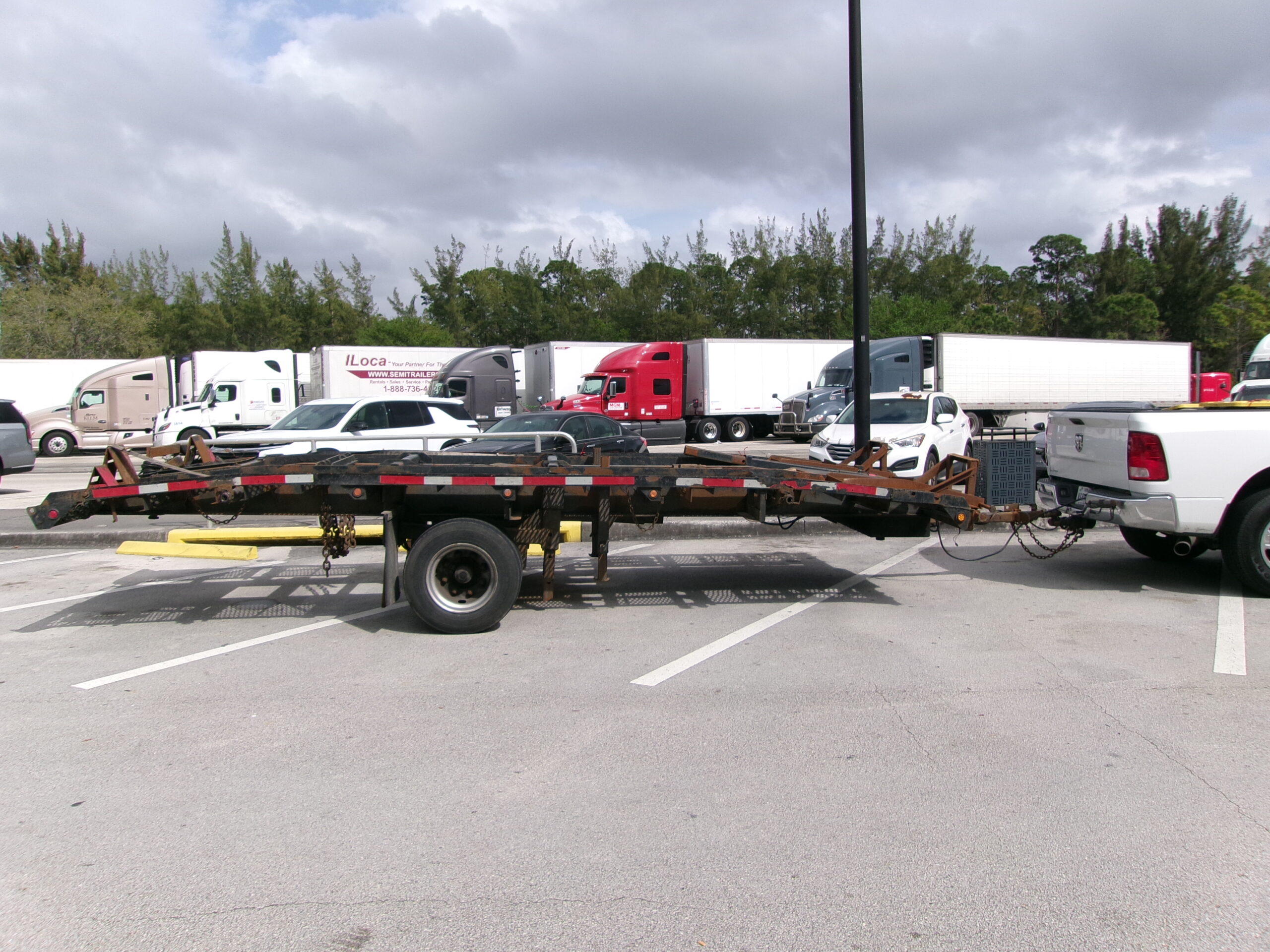
Why a mountain grade loads the wrong brakes
Kinetic energy for the combination scales with total weight. At the same road speed, a 6,000-pound tow vehicle plus a 5,000-pound trailer stores nearly twice the energy of the tow vehicle alone. The brakes have to turn that energy into heat before the combination reaches the next curve or the bottom of the grade.
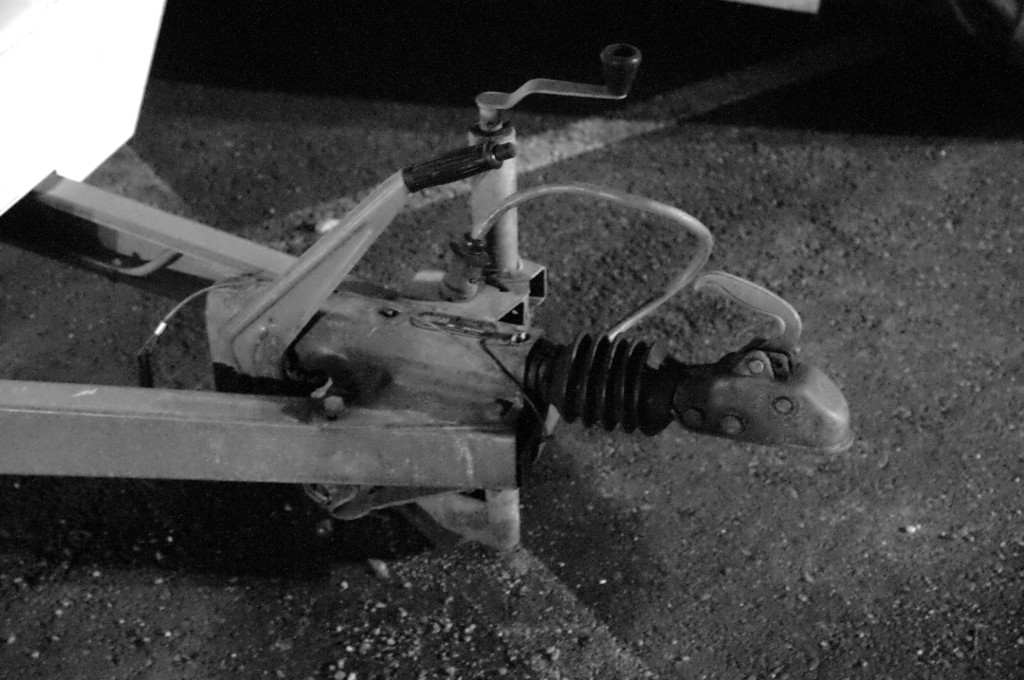
The trailer is supposed to take its share with its own brakes. On many trailers those are electric brakes commanded by a brake controller in the tow vehicle. On some lighter trailers they are surge brakes that use coupler push to apply the trailer shoes or pads. Either way, the design intent is the same: the trailer absorbs trailer mass; the tow vehicle absorbs tow-vehicle mass.
If the trailer brakes do not apply, the tow vehicle’s front rotors, pads, calipers, and fluid do all of the work. Weight transfer and hydraulic bias already put most tow-vehicle braking on the front axle. Adding an unbraked trailer multiplies that front-axle heat load instead of splitting it across six or eight friction surfaces.
Holding the pedal on the grade keeps the pads on the rotors so they cannot cool. Airflow still moves past the hubs, but the continuous contact keeps feeding heat into the iron and the fluid. A firm pedal with a longer stop is pad fade: the friction material has lost bite while the hydraulic system still builds pressure. A pedal that sinks is fluid fade: heat has boiled or softened the fluid so pedal travel no longer equals clamp force.
A normal stop from 60 mph without a trailer raises front rotors about 150–250°F above ambient for a short time, then they cool. With a non-braking trailer, repeated or continuous braking can push the tow vehicle’s rotors toward 600–800°F, where they can glow. That is not a loaded stop. That is the tow system doing two vehicles’ work without a rest between applications.
How a pickup compares to no trailer and to a heavy truck
Smaller: the same SUV or pickup with no trailer has less mass, so the same grade is a smaller job. Brake applications are shorter, cool-down gaps are longer, and the rotor temperature rise stays closer to that 150–250°F single-stop band instead of climbing into the glow range. The hydraulic layout has not changed; the energy budget has.
Larger: a heavy truck uses air brakes and an engine brake or retarder so the pedal is not the only thing holding the grade. That is a different system with different cooling and a different control strategy. Do not borrow truck-drum temperature stories and paste them onto a pickup. The pickup is still a hydraulic system being asked to stop two vehicles when the trailer brakes sit idle.
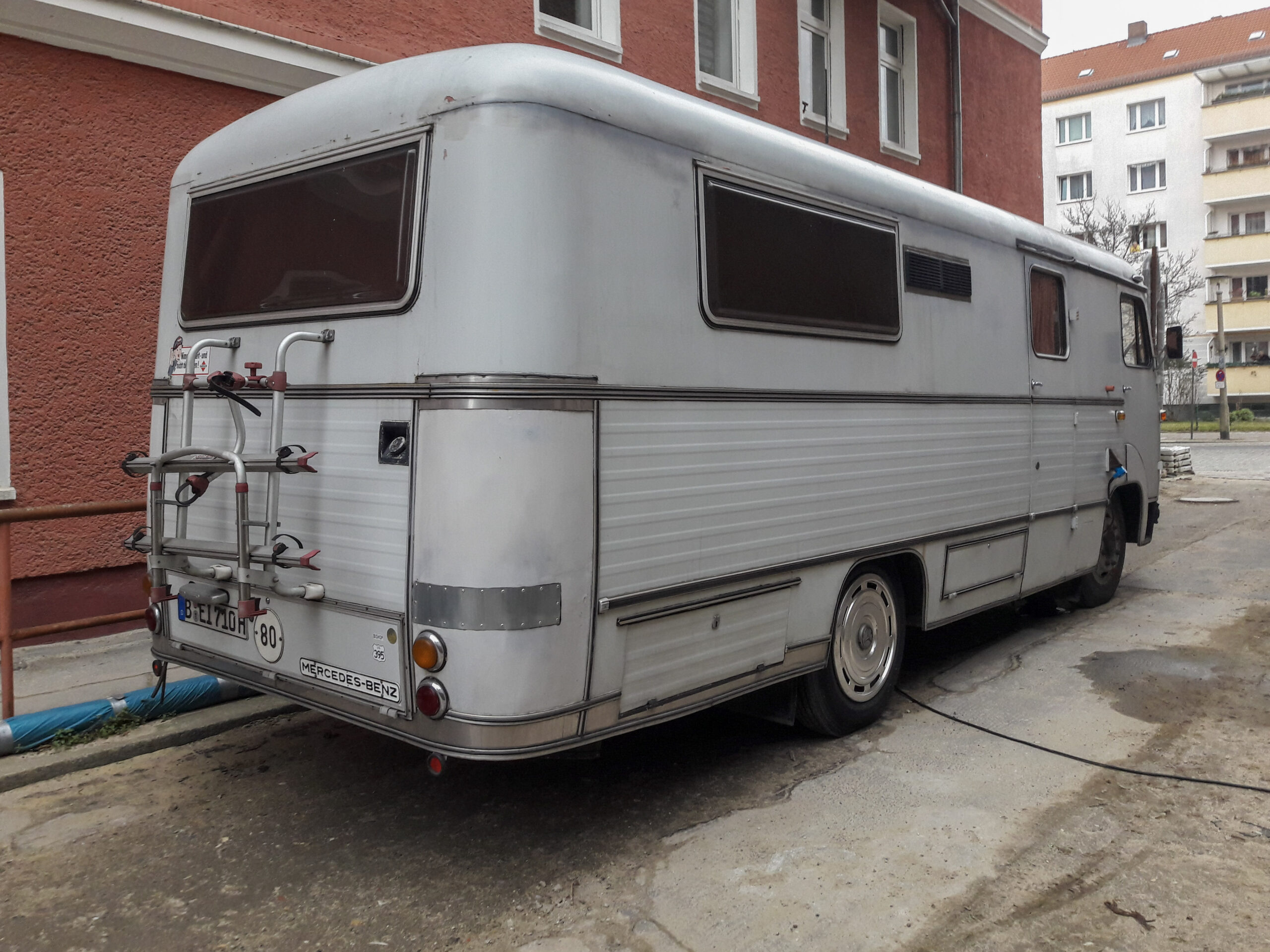
SUV, pickup, and van brakes under a full load face the same hydraulic limit when mass goes up and airflow is not enough. Motorhome and RV brakes on a mountain grade face a related energy problem when the vehicle is long, heavy, and descending for miles. Towing adds a hitch and a second set of wheels that must either share the stop or shove their energy forward into the tow rotors.
What to check before and during the trip
Before the trip, confirm that the trailer actually slows when its brakes are commanded. In a safe empty area at low speed, apply the manual control on the electric brake controller while rolling gently. The trailer should tug back against the hitch instead of coasting into the tow vehicle. That tug is the decision point: if the combination keeps rolling as if only the tow brakes are working, the trailer is not sharing the load.
During the trip, treat these as stop-and-diagnose cues, not as background noise. A sharp hot-brake smell that grows on a descent. Smoke at the tow vehicle’s wheels rather than at the trailer. A soft pedal that needs more travel for the same slowdown. The trailer pushing the tow vehicle into the hitch on every brake application. One wheel hotter than the others when you carefully compare after a cool-down stop.
If the trailer does not slow when its brake control is used, its brakes are not sharing the load. Continuing down a mountain in that state is asking the tow discs to absorb roughly the trailer’s share of kinetic energy on top of their own. That is the math that drives rotors toward 600–800°F.
Long continuous rubbing is the same energy problem that shows up when bicycle and e-bike brakes fade on a long hill: friction parts stay loaded, heat rises, and bite falls. The tow combination just stores more energy per mile because the mass is higher.
When the brakes smell hot on the grade
Leave the travel lane. Get far enough off that a following vehicle will not hit you while you stop. Release the pedal so the pads lift and air can move across the rotors. Let the tow vehicle’s brakes cool in the air. Do not pour water on a hot rotor; thermal shock can crack iron that is already near glow temperature.
Continue only if the pedal is firm, the trailer brakes respond to a low-speed check, and there is no smoke. Otherwise the grade ends there. Arrange a tow or a repair before the next steep mile. A dull red rotor, a pedal that sinks to the floor, or smoke at a tow-vehicle wheel is not a cool-down-and-hope moment.
After the brakes feel normal again—firm pedal, no smell, no smoke—use a lower gear and short brake applications instead of a continuous ride on the pedal. Short applications leave cooling gaps. A lower gear uses engine braking to cut how much heat the friction brakes must store. Those choices only help after the system has recovered; they do not fix a trailer that still will not brake.
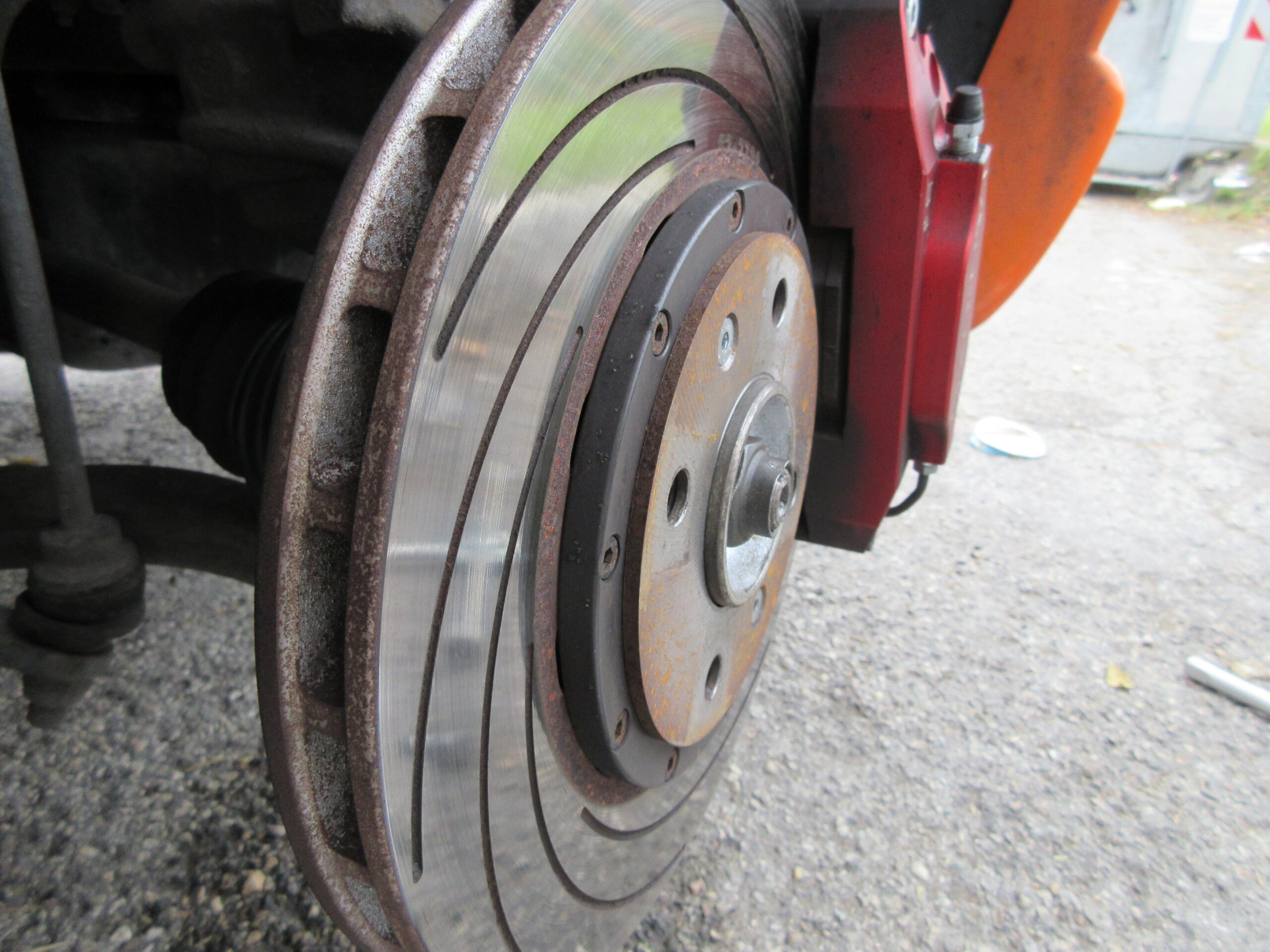
What a mechanic should measure and inspect
On the tow vehicle, measure pad and rotor thickness with a micrometer and compare both sides of an axle. Cracks and hard spots matter because hard spots often return after machining; replace rotors in pairs when heat damage shows. A sticking caliper keeps one pad loaded after you release the pedal, so that corner runs hotter than the rest and can mimic “always-on” fade even on flat ground.
Boiled fluid shows up as a pedal that sinks under steady pressure or as fluid that looks dark and moisture-laden after a heat event. Fresh fluid and a bleed restore hydraulic feel; they do not restore trailer brakes that never applied.
On the trailer side, the question is whether the magnets, shoes, or surge coupler are actually applying. A controller that lights up is not proof that the magnets pulled. A surge coupler that slides is not proof that the trailer shoes contacted the drums. The mechanic’s job is to confirm application and friction at the trailer wheels, then confirm the tow vehicle’s discs were not cooked past safe thickness while covering for that failure.
Why extra trailer weight hits the tow rotors so hard
Doubling the weight at the same speed roughly doubles the energy the brakes must absorb. A trailer that weighs as much as the tow vehicle is a second vehicle the tow rotors were not sized to stop alone. That is the size-and-system point in one sentence: hitch capacity and brake capacity are related, but they are not the same number stamped on the same tag.
Vented front rotors shed heat faster than solid rears because air moves through the vanes between the friction faces. That advantage disappears while the pedal stays down. The pads stay clamped, heat keeps entering, and the vane airflow cannot keep up with continuous input. Semi-metallic pads usually take more heat than organic pads before they glaze, which helps a tow vehicle in hard use, but they still fail if the trailer share never arrives and the grade never ends.
Decision: if you tow near the trailer’s own weight, treat working trailer brakes as required equipment for every mountain mile, not as an optional convenience for parking lots.
The one mistake that makes fade worse
Starting down the grade after you already know the trailer brakes are not working, and riding the tow vehicle’s pedal the whole way, is the one action that makes this worse. You have already measured the problem. Continuous pedal pressure then guarantees the pads cannot cool while the trailer’s full energy keeps flowing into the front rotors.
The safer sequence is the opposite: verify the trailer tug before the hills, use lower gears early, keep brake applications short, and stop the trip the first time smell, smoke, soft pedal, or a non-responding trailer brake control appears. The tow vehicle’s hydraulic discs can stop the tow vehicle. They were never the plan for stopping the trailer alone on a mountain grade.
Read next: Motorhome and RV brakes on a mountain grade, and Downhill driving, riding the pedal, and a soft pedal.