On a hatchback, sedan, or compact SUV, a warm front brake after a normal stop is ordinary heat from hydraulic discs—not an automatic reason to abandon the trip. What you are seeing is friction doing its job: pads clamp rotors, kinetic energy becomes heat, and the front rotors take most of that load when weight shifts forward. Only if the pedal goes soft, the car pulls hard to one side, or smoke keeps rising after you stop should you treat the stop as a braking fault instead of routine warmth.
What is happening when you press the pedal
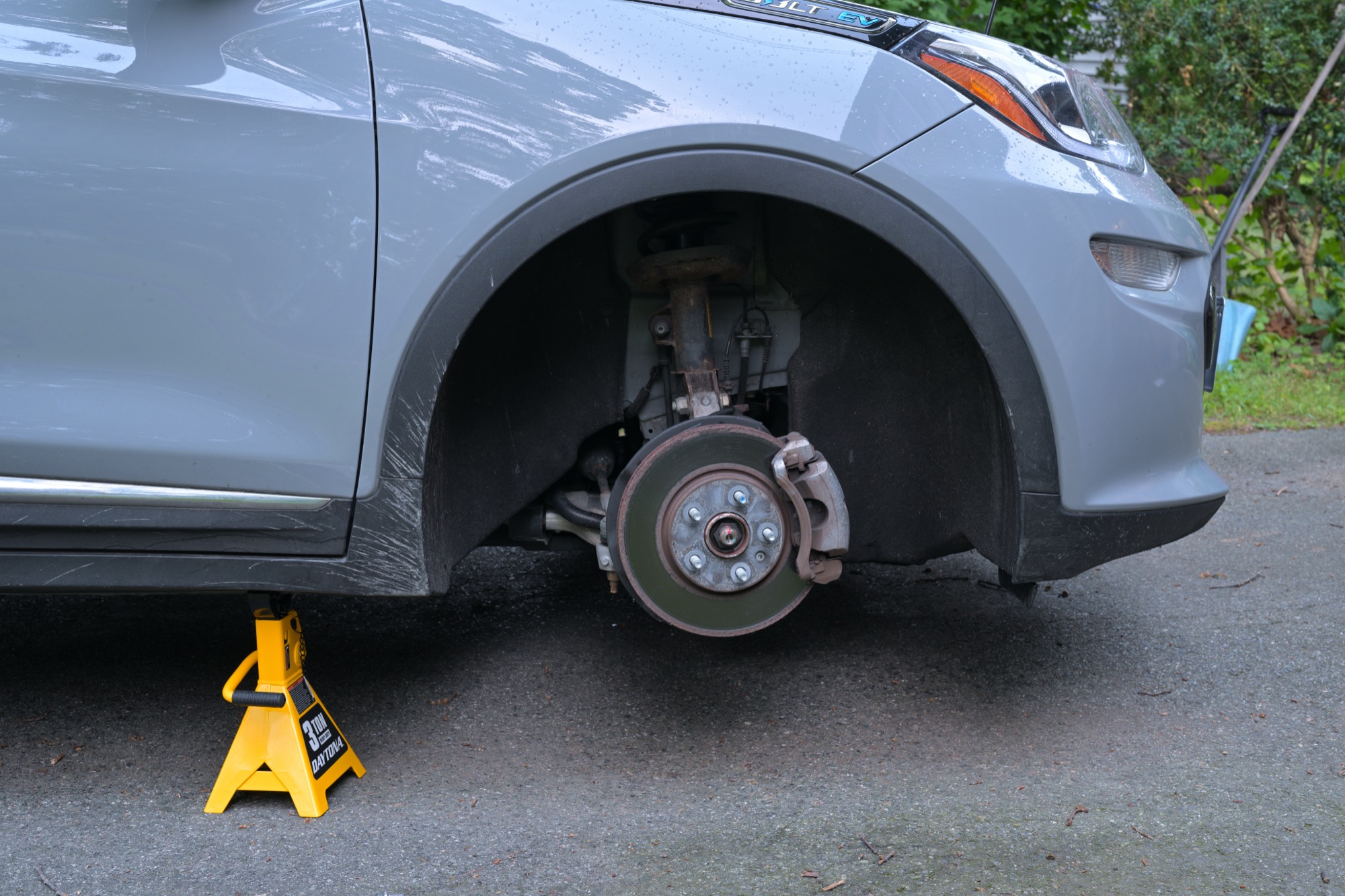
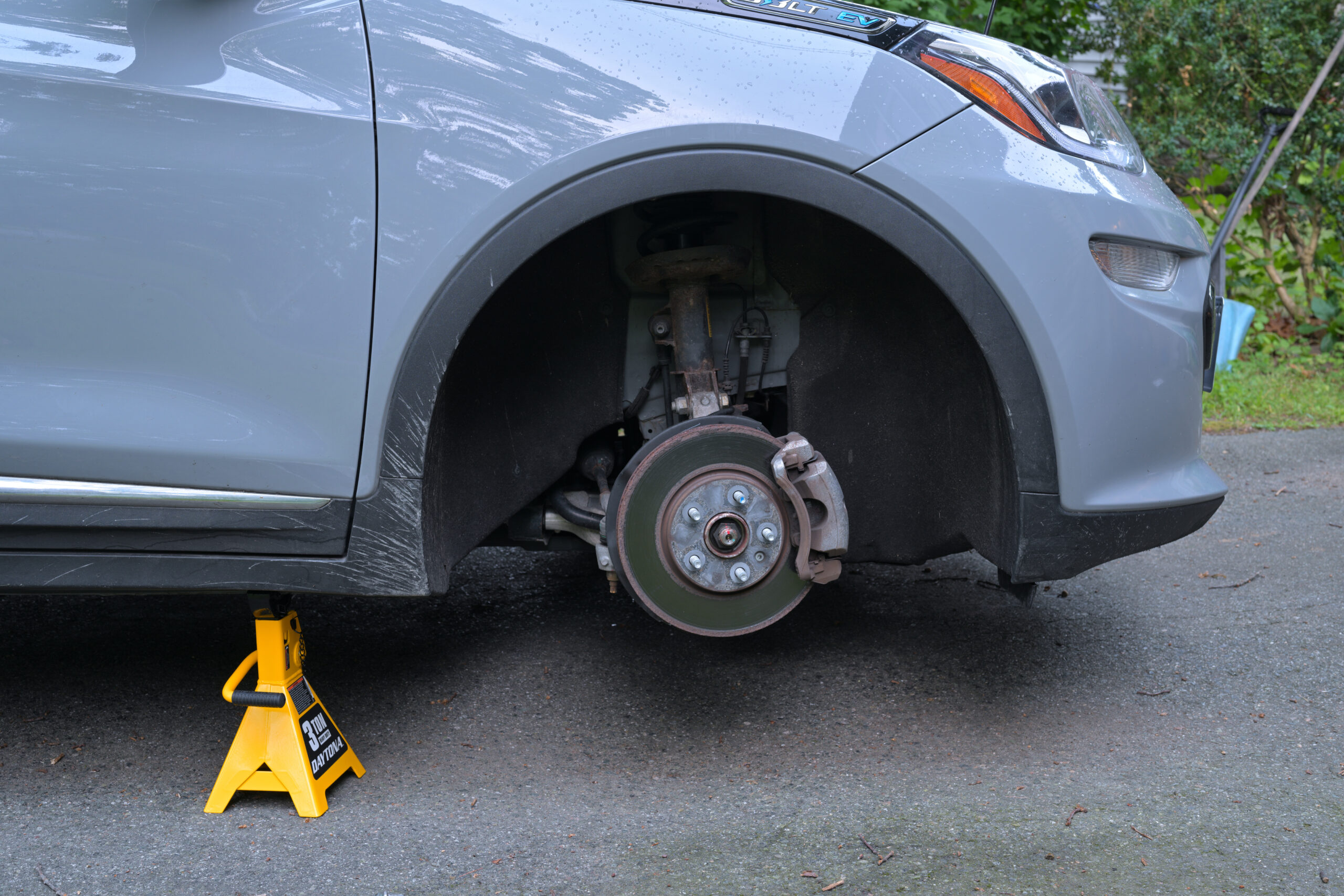
Every stop converts motion into heat. In these passenger cars and compact crossovers, that conversion happens inside a hydraulic disc-brake system. The pedal press raises pressure in brake fluid; that pressure drives pistons in the calipers; the calipers squeeze friction pads against metal rotors (discs) that turn with the wheels. Pads and rotors grind against each other on purpose. The grinding is what slows the vehicle, and the byproduct is temperature.
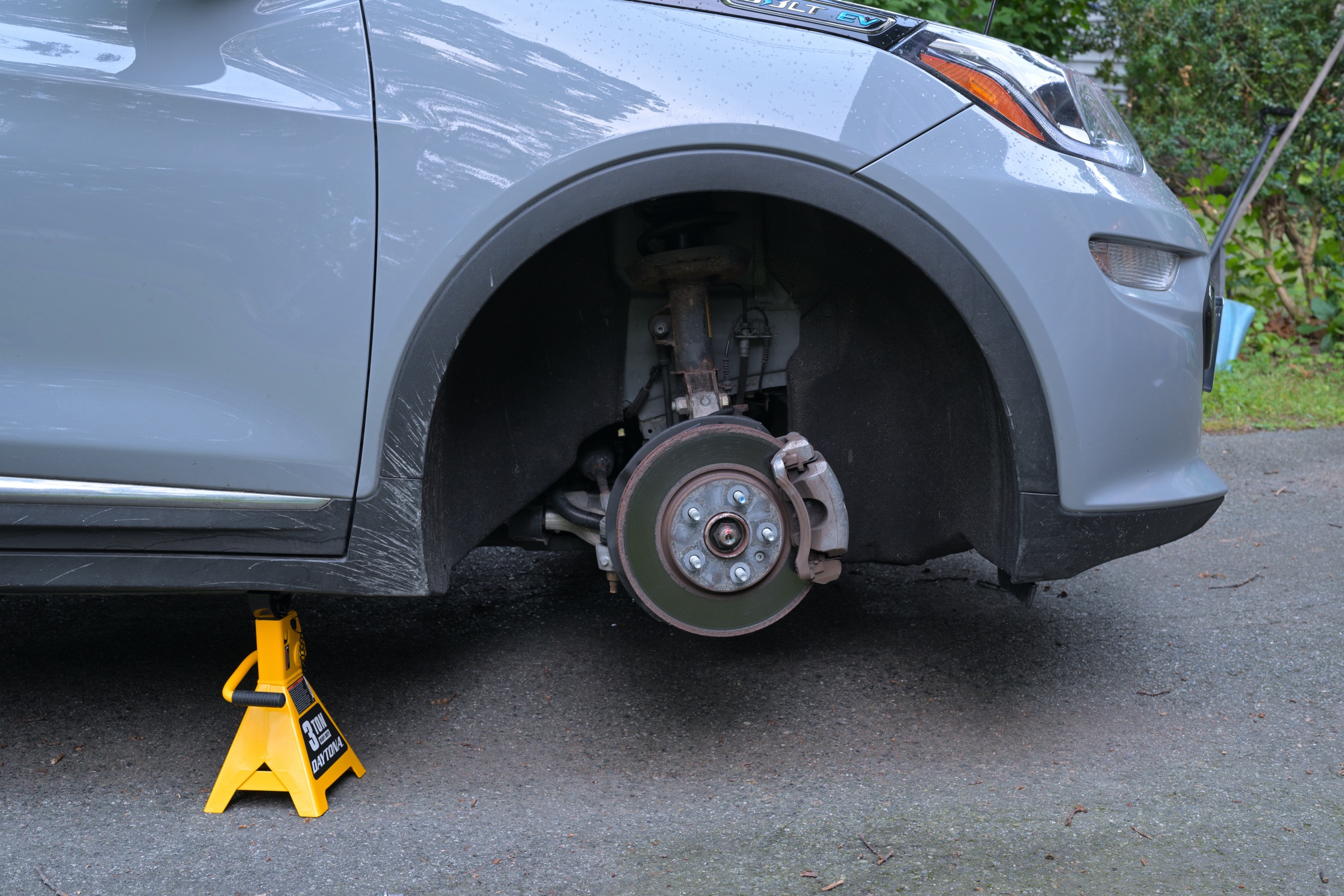
Front rotors do more of the work because deceleration shifts weight toward the nose of the car. More load on the front tires means the front pads and rotors can—and must—absorb a larger share of the energy. On many everyday stops, the front axle handles well over half the braking work; the rear axle still matters for stability and for the last part of a stop, but the heat spike you notice after highway braking is usually up front. That is a design choice, not a defect: the car is using the tires that suddenly carry more weight.
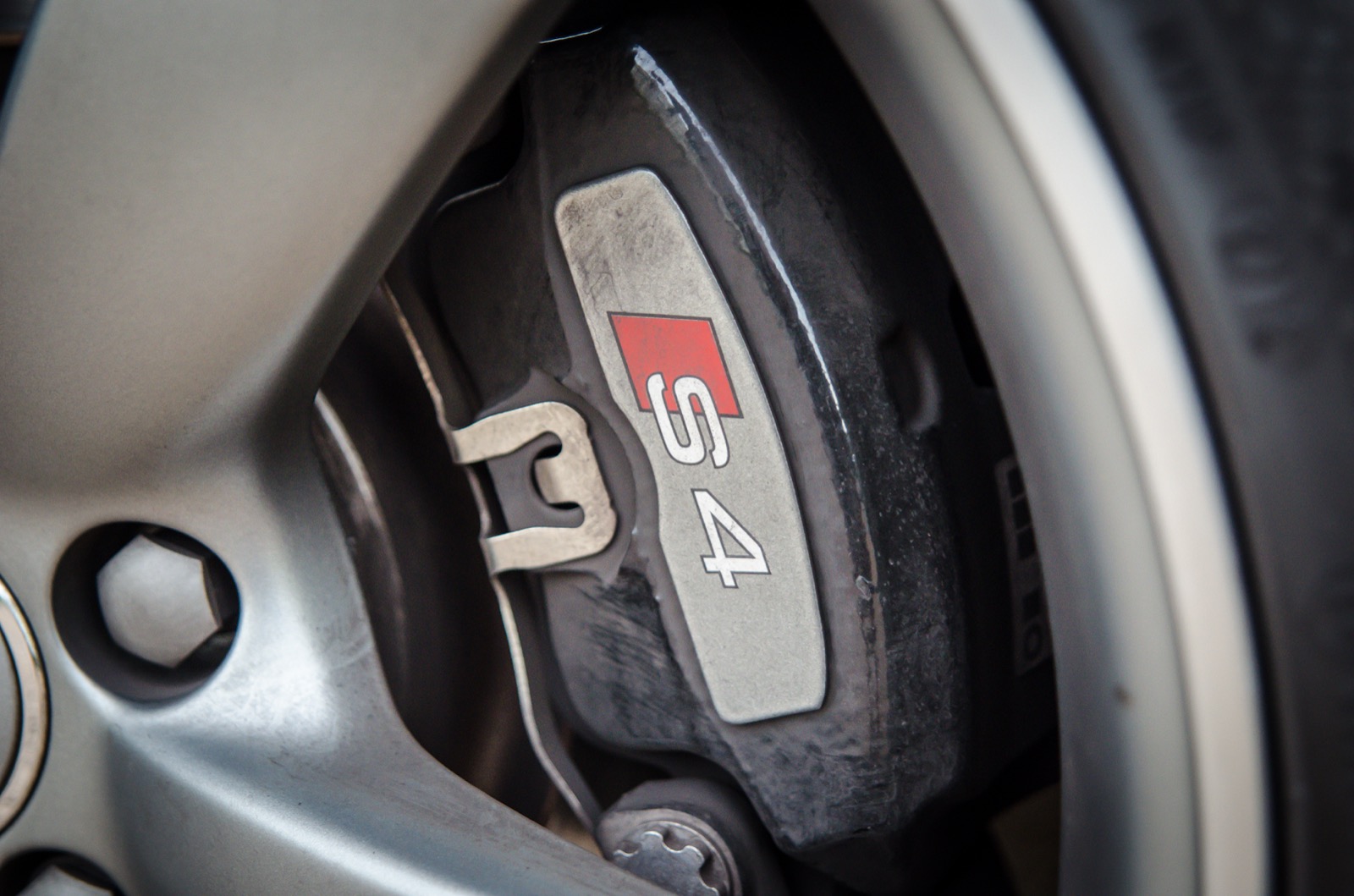
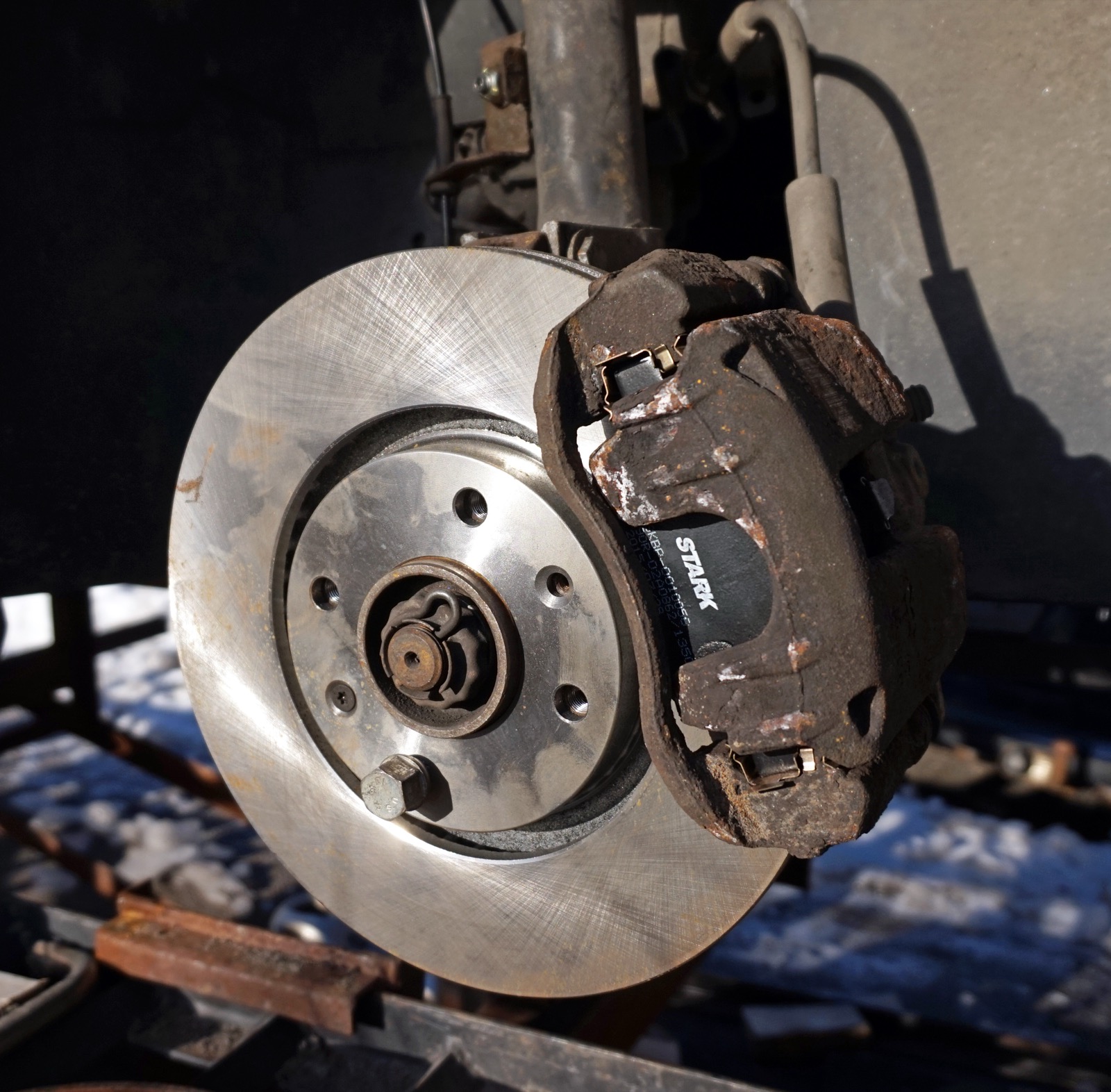
Brake fluid is the hydraulic messenger, not the friction surface. Pads are the replaceable friction material; rotors are the spinning heat sinks; calipers are the clamps. Many hatchbacks, sedans, and compact SUVs use vented rotors on the front axle because those rotors shed heat faster than the solid rotors often fitted at the rear. When any one of those parts sticks, thins out, or overheats, the driver feels it as smell, fade, a soft pedal, or a pull—not as a mysterious dashboard message. If the fluid boils or takes in air later, pedal feel changes; the first decision at the curb is still whether the car slows straight and the pedal stays firm.
How size and use change the heat
Heat depends on speed, weight, and how hard and how long the brakes are applied. Kinetic energy rises with the square of speed, so a compact hatch from 60 mph can dump more energy into its front discs than a heavy vehicle crawling from 20 mph. A full-size SUV or truck makes more heat than a small car from the same speed, which is why its rotors are larger and thicker: they are sized to store and reject that extra energy without cooking the pads on every highway exit. The decision for a driver is simple—match expectations to the vehicle you are in. The same indicated 60 mph is not the same thermal job in a city hatch and in a loaded three-row SUV.
Compare three scales. A motorcycle is smaller and lighter. Most of a hard motorcycle stop is still on the front disc, and after a severe stop that front disc can glow. That glow is a motorcycle-specific warning about how much work a single small disc just did. It is not a cue to paste car measurement habits onto two wheels; motorcycle brakes have their own lever feel, tire contact patch, and cooling path. A hatchback, sedan, or compact SUV spreads the same physics across four wheels and larger rotors, so a single street stop rarely reaches glow even when the front discs are clearly warm to the air nearby.
A full-size SUV sits at the other end: more mass, larger rotors, and more total heat from the same indicated speed. Under a full load of passengers and cargo, that SUV’s brakes work harder still, even when the speedometer reads the same number your compact SUV just showed. Use matters as much as curb weight. Repeated downhill braking, towing within the vehicle’s rating, or stop-and-go traffic after a highway run keeps heat in the rotors instead of letting air cool them between stops. Semi-metallic pads usually tolerate more heat than organic pads before they fade, but no pad chemistry cancels physics: more energy in means more temperature out until the metal and the lining can shed it. If you choose organic pads for quiet street use, plan for earlier fade on a long descent than a semi-metallic set would usually allow.
What the driver can check without tools
After a firm stop, use your senses before you assume a failure. A brief sharp smell can be normal pad odor as surfaces warm after a 60 mph highway exit. Continuous smoke from one corner, a pedal that sinks or feels spongy, a steady pull to one side under light braking, a rotor face that has turned blue from overheating, or one wheel that stays obviously hotter than the others after several minutes of rest are all reasons to treat the brakes as compromised. Soft pedal and pull matter more than warmth alone: warmth after a highway stop is expected; unequal heat or a fading pedal is not.
Do not touch a hot rotor to “test” it. Compare sides by careful proximity after you are parked safely, or wait and watch whether smoke or odor persists. If only one front corner smells burnt while the other feels normal, decide that the problem is local—suspect a sticking caliper or a pad that never released—not “the car just gets hot.” If both fronts smell lightly and the pedal is firm, decide that you saw ordinary heat and give the discs air time before the next hard stop.
Roadside: cool first, then decide
If something feels wrong, stop safely off the travel lane, shift out of gear or into park, and let the brakes cool in open air with the wheels uncovered. Do not hose them. A few minutes of still air after a single hard stop often returns pedal feel to normal on a healthy hydraulic system. Continue only if the pedal firms up, the car tracks straight on a gentle rolling check in a safe area, and smoke has stopped. If the pedal stays soft, the car pulls, or smoke continues, the trip ends: arrange a tow or on-site help rather than nursing a hydraulic problem to the next exit.
A warm-but-firm pedal after a single hard stop usually clears with cooling and gentle driving. A soft pedal does not clear with optimism. Treat continued smoke the same way—as an active fault, not leftover drama from a successful stop. The roadside decision is binary: firm, straight, and quiet means you may proceed carefully; soft, pulling, or still smoking means you stop the trip.
What a mechanic checks
A shop visit for heat complaints on a hatchback, sedan, or compact SUV starts with the friction parts and the clamps. The technician measures remaining pad thickness, checks rotor thickness with a micrometer against the discard limit for that rotor, and looks for a sticking caliper piston or slide that keeps one pad dragging after you release the pedal. Fluid condition and level are part of the same story because air or degraded fluid changes pedal feel, but opening the hydraulic system is a shop procedure—not a roadside experiment. Ask for measured rotor thickness in millimeters or inches and whether one caliper was binding; those two findings explain most “one side hotter” reports on these vehicles. If both rotors are above discard thickness and both calipers slide freely, the next questions are pad compound and how the car has been driven on hills, not a guess about “bad rotors” alone.
One temperature fact that fits these cars
These hatchbacks, sedans, and compact SUVs use hydraulic disc brakes, so temperature talk belongs on the rotors. A normal stop from 60 mph can raise front-rotor temperature about 150–250°F. That jump is the everyday cost of scrubbing highway speed with the front discs after weight has shifted forward. Several hard stops in a row—panic-braking practice, a steep descent with little engine braking, or back-to-back highway exits—can push rotors toward 600–800°F, where metal can glow and pads can fade. Fade feels like more pedal travel for less slowing: you press harder and the car still does not shed speed the way it did on the first stop.
Vented front rotors buy recovery time by moving air through the disc, but they do not erase a string of hard stops. If you smell pads after one firm 60 mph stop and the pedal is still firm, you are usually inside the normal 150–250°F band. If glow appears on an ordinary public road after repeated stops, you have left that band and entered the fade zone—decide then to cool in air, not to “use up” the heat with another aggressive stop. The number to remember is the gap between those bands: roughly a couple hundred degrees for a normal stop, several hundred more when the front discs are asked to work again before they recover.
The harmful mistake that makes this worse
Do not pour water on a hot rotor. Sudden quenching can warp or crack the disc, turn a heat problem into a vibration and pull problem, and leave you with a car that no longer brakes straight even after it cools. Keeping driving with a soft pedal is another way to lose the stop entirely, and treating rotor glow on a normal road as proof of a “successful hard stop” ignores fade. For this topic—hydraulic discs that just absorbed a highway stop—the action that most reliably makes the problem worse is dumping water on the glowing or smoking rotor instead of parking and letting air do the cooling. Choose air and time; refuse the hose.
Read next
For a smaller two-wheel comparison on long grades, see Why Bicycle and E-Bike Brakes Fade on a Long Hill. For the motorcycle side of the size comparison in this article—front-disc heat after a hard stop on two wheels—see Motorcycle Brakes: Why the Front Disc Does Most of the Stop. For the larger end of the scale, read next about SUV, pickup, and van brakes under a full load.

.jpg)
