A delivery van or a light truck that smokes at a wheel, or that pulls to one side, has a brake problem even though the route never left the city. Repeated stops from ordinary street speeds add heat all day. A brief warm smell after a heavy stop can be the load. Smoke, a pedal that sinks, or a van that steers itself under braking is a reason to park. There is no mountain in this story. The stops are enough.
Each city stop leaves heat in a small amount of iron
A delivery van slows by rubbing. The rub turns the van’s motion into heat in the pads and the rotors. Most of these vans and light trucks use hydraulic discs. The driver presses a pedal. Fluid, which absorbs water over the years, carries that pressure to a caliper at each wheel. The caliper squeezes pads against a rotor that turns with the wheel. The front rotors are usually vented, with ribs between the two faces so air can pass through. The rear rotors are often solid, or the rear brakes are drums, because the rear does less of the work.
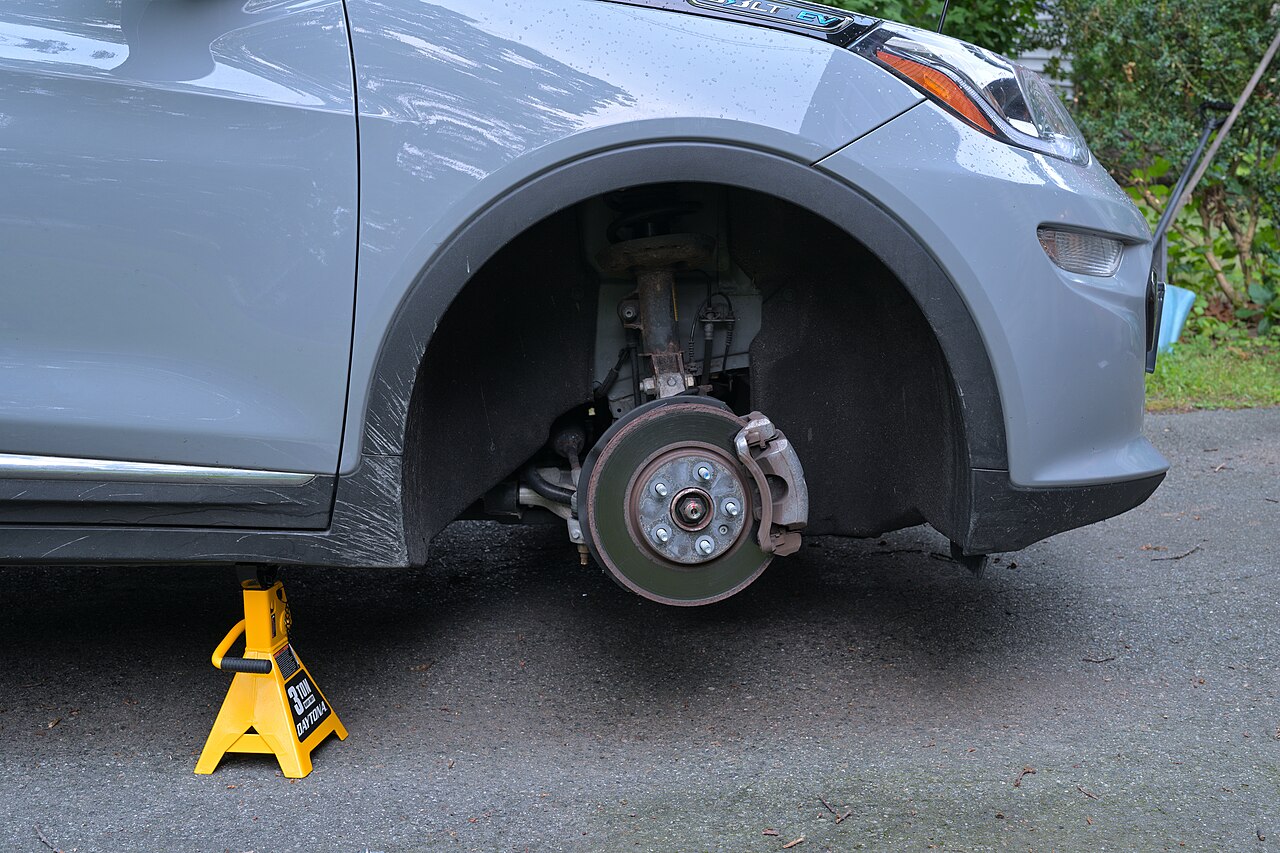
The front does more because the van’s weight shifts forward as soon as the pedal goes down. A loaded cargo box makes that shift larger. The front pads and the front rotors take the bigger share of every stop, so they wear first and they run hotter. A driver who finds the front pads gone while the rear shoes still look thick is seeing that weight shift, not a bad parts delivery.
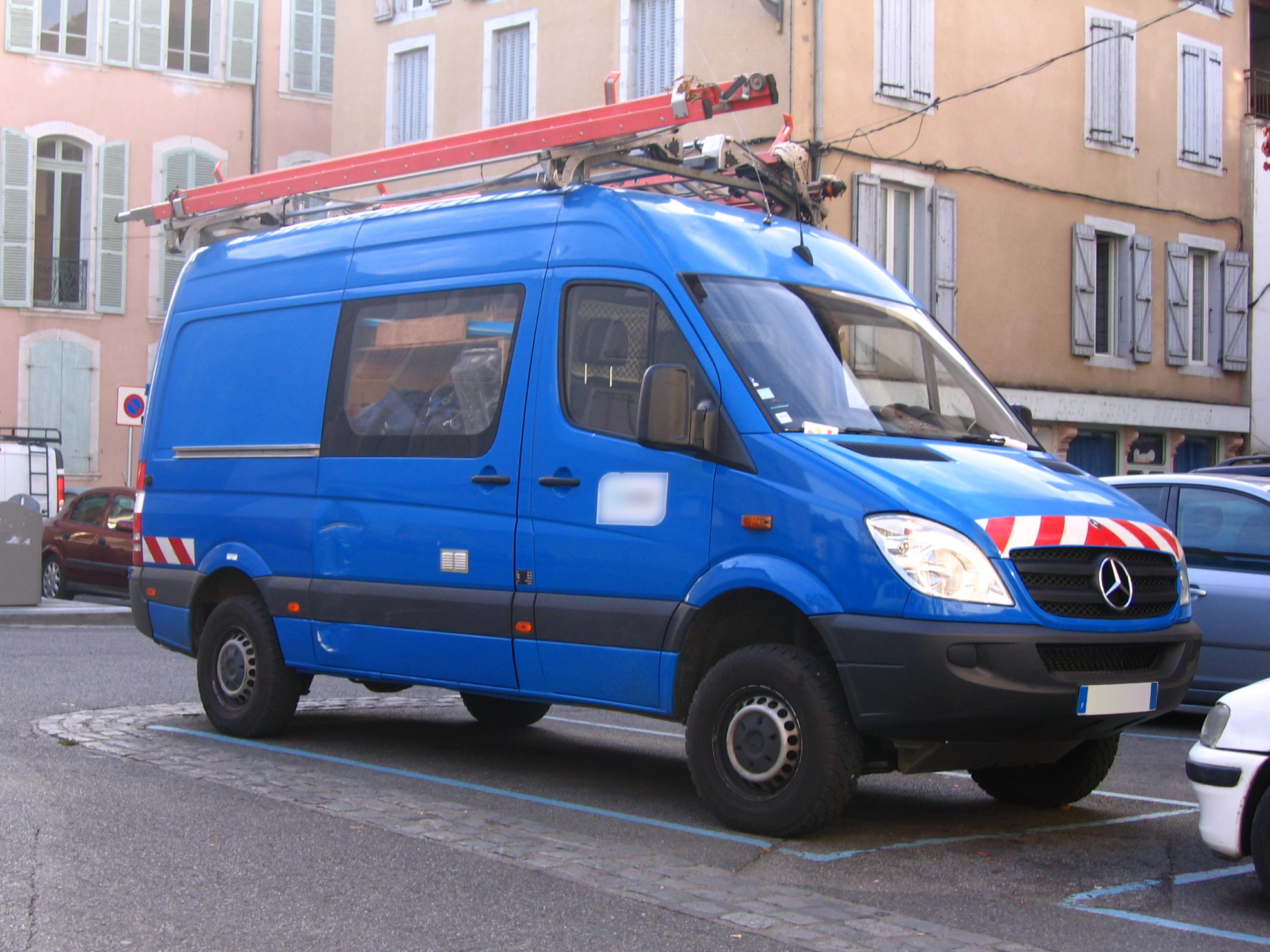
Heat follows three things: how fast the van was going, how much it weighs, and how long the pads stay on the rotor. A normal stop from 60 mph can raise the temperature of a front rotor by about 150 to 250°F. That is hot, and it is not yet a glowing disc. Several hard stops in a row, or a long string of stops with no time between them, can push those rotors into the 600 to 800°F range. In that range the iron can show a dull red, and the brakes can fade. Fade is the point where more pedal produces less stopping. A firm pedal that needs a longer distance is the pad giving up grip. A pedal that sinks toward the floor is the fluid boiling. Those are different failures, and both end the route.
Semi-metallic pads usually tolerate more of that heat than organic pads. Organic pads can smell sooner and glaze sooner on a van that stops every block. The vented front rotor sheds heat faster than a solid rear rotor, but only while the pads are off it. A foot that rests on the pedal between deliveries holds the pads on and cancels the vents.
A loaded van in traffic is hotter than an empty car, and cooler than a bus only if the gaps are long
A passenger car is the smaller comparison. A hatchback or sedan on the same street weighs less, carries less, and often stops less often. Its front rotors are smaller because they have less energy to absorb from the same speed. The same 60 mph stop in a compact car is a smaller heat event than the same stop in a van full of parcels. The car article on this site is about that lighter hydraulic system. The van uses the same kind of parts and asks them to do more, more times a day.
Speed still matters more than the driver expects. A light car stopping from 60 mph can turn more motion into heat than a heavy van stopping from 20 mph. City work is mostly the slower stop, repeated. Twenty stops from 30 mph with half a minute between them can leave the front rotors hotter than one harder stop followed by a long roll with the pedal released. The mountain is not required. The calendar of the route is the heat.
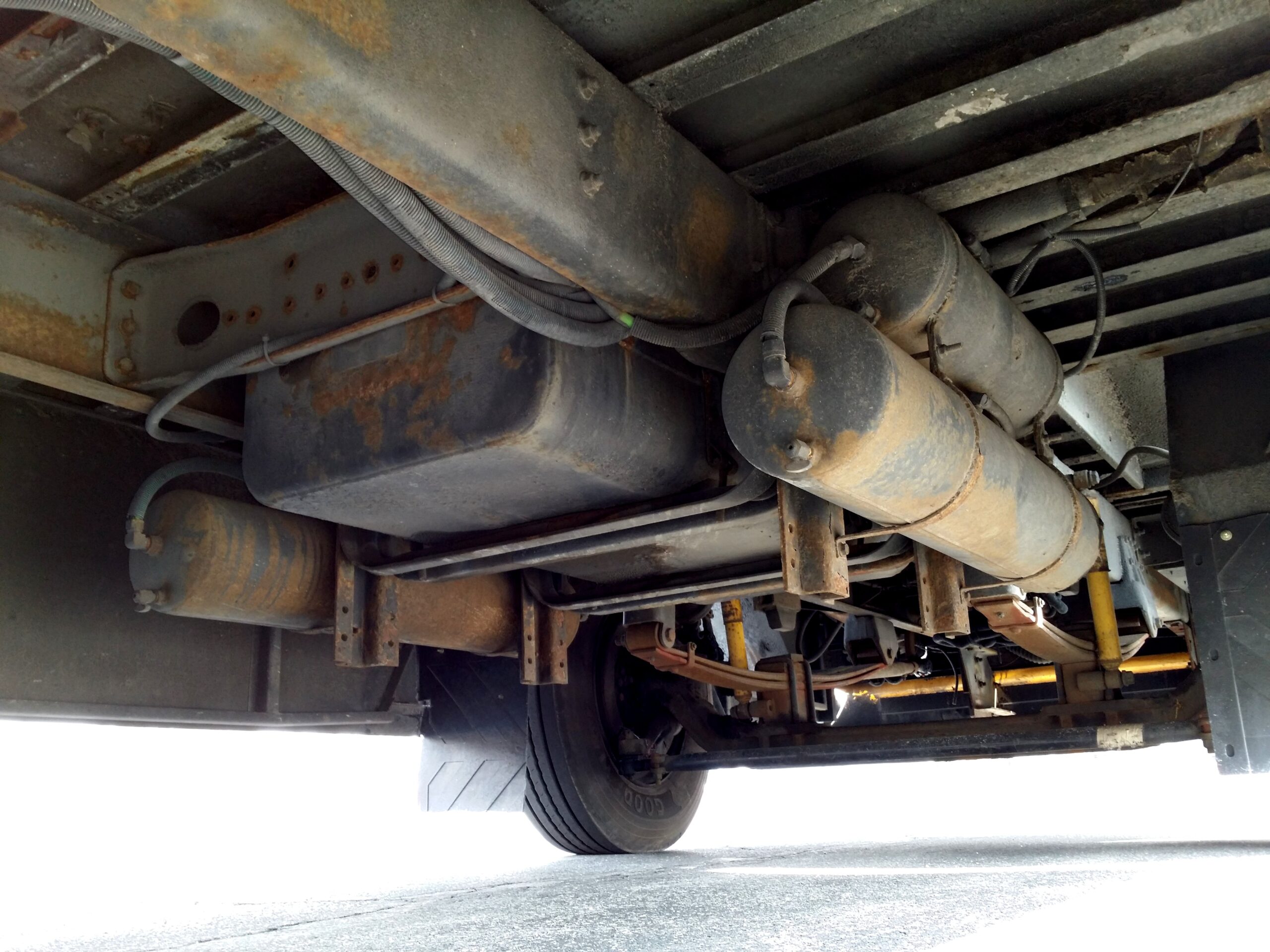
A bus is the larger comparison. A full bus is heavier than a delivery van, and its stops are just as frequent, which is why bus brakes are inspected so often. Many city buses use air brakes rather than the fluid in a van. A heavy truck is a further step: compressed air applies the service brakes, and springs apply the parking brake if the air is lost. Those drums can fade when they expand away from the shoes. Do not treat a van’s rotor temperature as a truck drum’s temperature. The delivery van is still a hydraulic vehicle. What it shares with the bus is the pattern: weight, plus stop, plus stop, plus stop.
A full cargo load multiplies the heat at the same speed. Double the weight and the brakes must absorb about twice the energy from the same speed. A van that was fine on the morning run can smell hot on the afternoon run because the second load is heavier, or because the gaps between stops got shorter. One wheel much hotter than the others is not the load. That is usually a caliper that did not let go, so that corner never stopped working.
What the driver can check at the curb
Use the smell, the pedal, and the direction of the van. Do not put a hand on a rotor at the end of a route.
A warm smell that shows up during a hard stop with a full van, then fades after a few minutes of rolling with the pedal released, can be the brakes doing the job they were built for. The same smell that is there at every light, or that is still there after the van has been parked, is heat that is not leaving. Smoke at one wheel means stop. Smoke at both front wheels after a long downhill is a different article. Smoke at one front wheel on a flat avenue is a stuck caliper or a pad down to the metal.
A pedal that stays firm but needs more distance to stop the van is pad fade from heat. Give the rotors time off the pedal. A pedal that sinks, or that feels soft after a day of stops, is fluid that has been cooked or that has taken on water. Do not finish the route on a soft pedal.
A pull to one side under braking means one side is working harder. On a van that stops all day, the usual cause is a caliper that is sticking, a hose that has swollen inside, or pads that wore out on one corner first. After you stop, the wheel that was doing the extra work is the hotter one. You can often feel that heat from a short distance without touching it. A blue or purple band on the rotor, seen after it has cooled enough to look, means that iron has been hot enough to change color. The van can still roll. That rotor and those pads need a shop before the next shift.
Park, cool, then decide if the route continues
Leave the lane. A loading zone, a side street, or a station forecourt is the place. Hold the pedal until the van is fully stopped, then take your foot off so the pads are not clamped on a hot rotor.
Wait several minutes. Roll a few feet with the pedal released if you can do that safely. The van should roll. Continue only if the pedal is firm, the van tracks straight under a test stop, and the smoke is gone. For the rest of the day, brake in short presses and keep your foot off the pedal between them. If the pedal is soft, if the van pulls, or if smoke continues, the route ends there. Call it in. A sticking brake will only get hotter on the next ten stops.
Let the air cool the rotors. Do not pour water on them. A sudden cool can crack the iron, and the next stop is worse than the one that made the smoke.
What a shop checks on a van that stops for a living
A shop measures what a driver can only feel.
They measure the front pads and the rear shoes or pads. Fronts that are far thinner than the rears match a van that has been stopping hard with a load. They measure rotor thickness with a micrometer and compare it with the minimum cast into the rotor. A thin rotor heats faster and can crack. Hard spots, the dark patches left by too much heat, often come back after the rotor is machined, so a rotor that has been blue or that pulses is replaced, in pairs on that axle. They check that each caliper piston lets the pad pull back. A pin that has seized, or a hose that acts like a one-way valve, is why one wheel smoked on a flat street. They look at the fluid. Fluid that has boiled, or that is full of water, will fade again on the next hot day even after the pads are new. Opening that system and putting in the wrong fluid damages the seals. That work stays at the shop.
They also ask about the route. A rotor and a pad that are right for an empty van can be too small for a van that is full on every lap, if the driver also rides the pedal from stop to stop. The repair is the worn or stuck part, and a look at whether the brakes match the weight the van actually carries.
The front rotor does the day’s work
The fact that belongs on this vehicle is where the wear shows up. The front brakes wear first because each stop throws the van’s weight onto the front rotors. Those rotors are larger than a small car’s because the van is heavier at the same speed, and a full cargo box makes them larger still in the work they must do. A vented front rotor can shed a single stop. It cannot shed a hundred stops if the pads never come off it. That is why a city route with no hill can still end in smoke.
The mistake that keeps the pads on the rotor
The action that makes this worse is finishing the deliveries after a wheel has already smoked or the van has already pulled, with a foot resting on the pedal between stops. The pads stay in contact, the front rotor never cools, and a hot smell becomes a soft pedal. Park it, let it cool in the air, and have the sticking or worn corner repaired before the next route.
Read next: Hatchback, sedan, and compact-SUV brakes, and What brake glow looks like on a car.